-
Shop
- Advanced Technologies
- AI Career Advantage Collection
- AI Skills Mastery 2026 Collection
- Apple Accessories
- Arts, Crafts & Hobbies
- Back to School
- Bathroom
- Best-Sellers
- Car Accessories
- Clothing
- Dating & Social Skills
- Digital Resources
- Beauty
- Budgeting & Saving
- Car Buying & Ownership
- Cozy Feast Collection
- Dating & Social Confidence
- Electronics & Technology
- Emotional Intelligence
- Entrepreneurship & Business Growth
- Financial Independence
- Financial Mindset & Psychology
- Goal Setting
- Halloween Digital Collection
- Home & Living
- Home Styling & Organization
- Kitchen & Cooking
- Leadership
- Mindfulness
- Motivation
- Nutrition & Healthy Eating
- Online Business
- Parenting & Child Development
- Pet Lifestyle & Wellness
- Positive Thinking
- Productivity
- Recipes
- Self Confidence
- Sleep Improvement
- Smart Amazon Shopping
- Stress Management & Relaxation
- Travel Planning
- Wellness
- Wellness & Self-Care
- Yoga & Fitness
- Yoga & Mind-Body Practices
- Education & Learning
- Family & Parenting
- Fashion
- Alexander McQueen
- Bags
- Bags & Wallets
- Balenciaga
- Belts
- Blazers
- Blouses & Shirts
- Bottega Veneta
- Brunello Cucinelli
- Burberry
- Chanel
- Chloé
- Dior
- Dolce & Gabbana
- Dresses
- Etro
- Fendi
- Gucci
- Hats & Hair Accessories
- Hoodies & Sweatshirts
- Jacquemus
- Jewelry
- Jil Sander
- Jimmy Choo
- Keychains
- Kiton
- Laptop Sleeves
- Luggage
- Luggage Bags
- Men's Fashion
- Miu Miu
- Off-White
- Outerwear
- Passport Covers
- Phone Cases
- Prada
- Rick Owens
- Saint Laurent
- Shoe Accessories
- Shoes
- Skirts
- Socks
- Socks & Tights
- Sunglasses
- Sweaters & Cardigans
- The Row
- Tom Ford
- Tops & Shirts
- Tumblers
- Valentino
- Valentino Garavani
- Versace
- Vivienne Westwood
- Watches
- Fashion Accessories
- Financial Education
- Furniture
- Gadgets
- Health & Beauty
- Health & Wellness
- Home & Garden
- Home Supplies
- Kids & Babies
- Kitchen
- Kitchen Best-Sellers
- Lighting
- Nike
- Patio, Lawn & Garden
- Personal Growth
- Personal Style & Fashion
- Pet Care
- Pet Supplies
- Pets
- Samsung Accessories
- Sport & Outdoors
- Super Deals
- TikTok Growth & Monetization Mastery
- Travel
- Valentine’s Day Inspiration
- Wealth
- Wealth Building
- Winter Fashion
- YouTube Shorts Best-Sellers
- Popular
- Best deals
7 Types of Payment Options for Smart Online Shopping
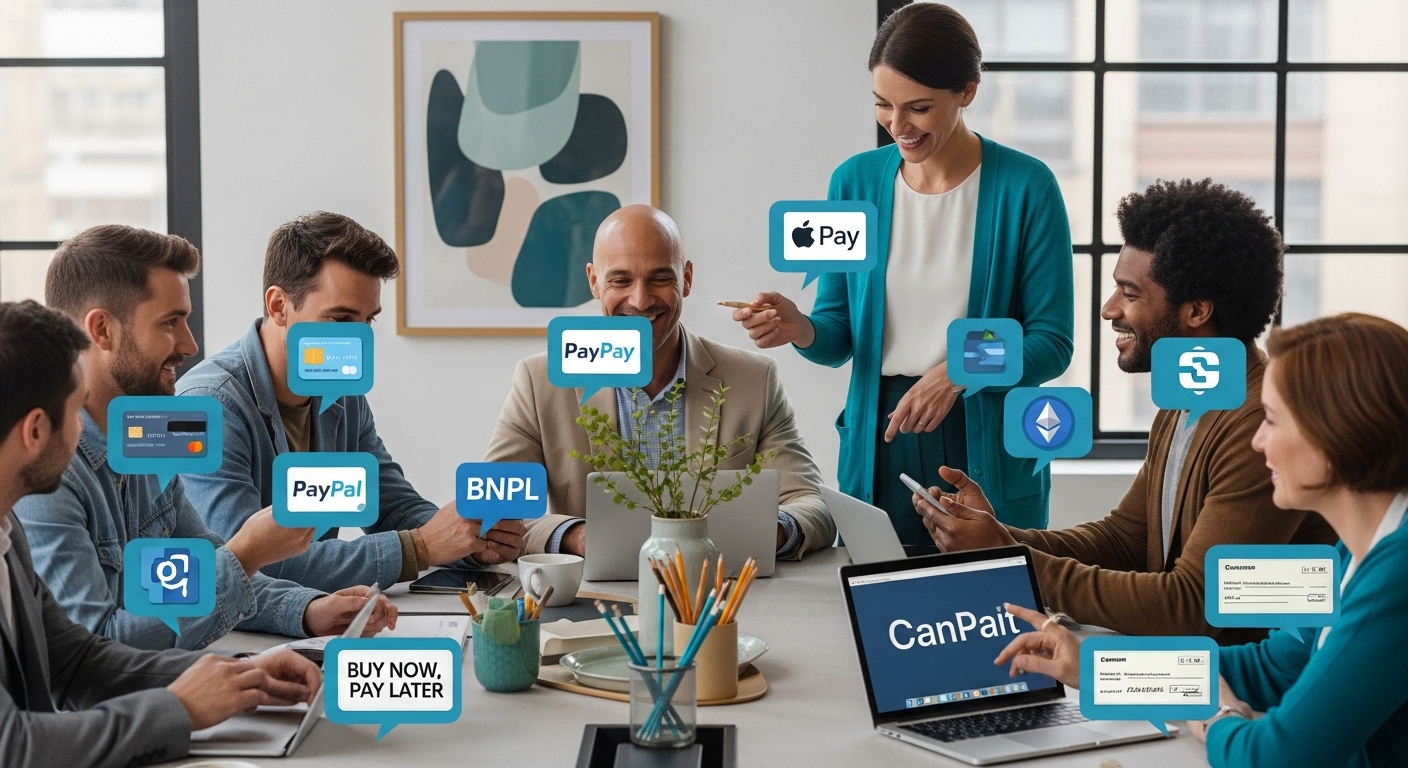
Online payments are everywhere, from grocery runs to buying concert tickets. Over half of mobile wallet purchases jumped by a bold 53% in just one year. Most people assume swiping a card or tapping a phone is all the same, but each method offers its own powerful — and sometimes surprising — advantages for your money and your security.
Table of Contents
- Understanding Credit And Debit Cards
- Exploring Mobile Wallets
- The Benefits Of PayPal And Other E-Wallets
- Using Buy Now, Pay Later Services
- Learning About Direct Bank Transfers
- Considering Cryptocurrency As Payment
- Evaluating Traditional Payment Methods
Quick Summary
| Takeaway | Explanation |
|---|---|
| Understand credit vs. debit cards | Credit cards allow borrowing with rewards; debit cards withdraw directly from your bank account. |
| Leverage mobile wallets for security | Mobile wallets offer encrypted transactions and convenient management of multiple payment methods. |
| Consider Buy Now, Pay Later options | BNPL services allow installment payments without credit checks, but manage commitments responsibly to avoid fees. |
| Use direct bank transfers for efficiency | Direct transfers are immediate and transparent, connecting your bank account directly to the recipient. |
| Evaluate cryptocurrency for innovation | Cryptocurrency transactions offer high security and anonymization, but they come with volatility and limited consumer protections. |
1: Understanding Credit and Debit Cards
Online shopping demands smart payment choices. Credit and debit cards represent two fundamental types of payment options that enable consumers to make purchases quickly and securely. While they might seem similar, these financial tools function quite differently and offer unique advantages for digital transactions.
A credit card allows you to borrow money from a financial institution up to a predetermined limit. When you use a credit card, you are essentially taking out a short term loan that must be repaid. These cards often come with additional benefits like fraud protection, reward points, and the ability to build credit history. Key characteristics include:
- Allows purchases on borrowed funds
- Provides potential rewards and cashback
- Helps establish credit score
- Offers stronger consumer protections
In contrast, a debit card directly withdraws funds from your linked bank account. Each transaction immediately reduces your available balance, providing a more direct connection to your personal finances. According to Studentaid.gov, debit cards help consumers maintain stricter spending control since you can only spend what is currently in your account.
When shopping online, understanding the nuanced differences between these payment methods becomes crucial. Credit cards typically provide more robust fraud protection and are often recommended for larger purchases or transactions with unfamiliar vendors. Debit cards work best for smaller, routine purchases where immediate fund transfer is preferred.
Consumers should evaluate their personal financial habits, spending patterns, and comfort level with credit when selecting between these payment options. Each card type offers unique advantages that can be strategically leveraged for smarter online shopping experiences.
2: Exploring Mobile Wallets
Mobile wallets have revolutionized how consumers manage digital payments, offering a seamless and convenient alternative to traditional payment methods. These digital platforms allow users to store payment information securely on smartphones, enabling quick and effortless transactions across various online and physical stores.
Mobile wallets function as digital repositories for payment credentials, including credit cards, debit cards, and bank account details. By transforming your smartphone into a comprehensive payment tool, these applications eliminate the need to carry physical cards and provide enhanced security features.
Key advantages of mobile wallets include:
- Instant transaction processing
- Enhanced security through encryption
- Simplified payment tracking
- Convenient stored payment methods
According to research from the Federal Reserve Bank of Atlanta, mobile wallet purchases have experienced significant growth, with a remarkable 53% increase in transaction volume between 2021 and 2022. Popular mobile wallet platforms like Apple Pay, Google Pay, and Samsung Pay have made substantial contributions to this digital payment transformation.
The security infrastructure of mobile wallets represents a critical component of their appeal. Advanced encryption technologies and tokenization methods ensure that sensitive financial information remains protected during transactions. When you make a purchase, these platforms generate unique, temporary codes instead of transmitting actual card details, significantly reducing the risk of financial fraud.
Consumers increasingly appreciate mobile wallets for their versatility. Beyond standard retail purchases, these digital platforms support peer to peer money transfers, bill payments, and even contactless in store transactions. The convenience of managing multiple payment methods through a single application continues to drive widespread adoption across different demographic groups.
3: The Benefits of PayPal and Other E-Wallets
E-wallets like PayPal have transformed online financial transactions, offering consumers a secure and versatile digital payment platform. These digital payment services provide an additional layer of financial management beyond traditional banking methods, enabling users to send, receive, and store money with unprecedented convenience.
PayPal stands out as a pioneering e-wallet service, allowing users to link multiple payment sources and conduct transactions across numerous online platforms. The platform’s widespread acceptance makes it a preferred choice for international and domestic digital purchases.
Key advantages of e-wallets include:
- Instant money transfers
- Enhanced transaction security
- Global payment compatibility
- Low or zero transaction fees
According to research from the University of Massachusetts Amherst, e-wallets offer increased security compared to traditional payment methods. These platforms employ advanced encryption technologies and multi factor authentication to protect users’ financial information.
E-wallet features extend beyond simple monetary transactions. Many platforms offer additional services such as buyer protection, reward programs, and integration with multiple financial accounts. Users can easily track spending, manage international currencies, and receive real time transaction notifications.
The global digital payment ecosystem continues to evolve, with e-wallets becoming increasingly sophisticated. Emerging platforms are developing innovative features like cryptocurrency support, investment tracking, and seamless international money transfers. As consumer preferences shift towards digital financial solutions, e-wallets are positioned to play a crucial role in the future of online commerce.
4: Using Buy Now, Pay Later Services
Buy Now, Pay Later (BNPL) services have emerged as a flexible alternative to traditional payment methods, offering consumers innovative financing options for online and in store purchases. These services allow shoppers to split their total purchase into multiple installments, typically without charging interest.
BNPL platforms like Affirm, Klarna, and Afterpay have revolutionized consumer purchasing by providing instant credit options that are more accessible than traditional credit cards. The service enables customers to acquire products immediately while spreading payment over several weeks or months.
Key considerations for using BNPL services include:
- Flexible payment schedules
- No traditional credit checks
- Instant purchase approval
- Potential impact on credit score
According to research from the National Bureau of Economic Research, BNPL services can increase sales by approximately 20%, particularly among consumers with limited creditworthiness. This financial tool provides an alternative financing method for individuals who might struggle to obtain traditional credit.
Responsible usage is crucial when utilizing BNPL services. While these platforms offer convenience, consumers must carefully manage their installment commitments to avoid potential financial strain. Most BNPL services do not charge interest if payments are made on time, but late payments can result in fees or negative credit reporting.
The growing popularity of BNPL reflects changing consumer preferences towards more flexible and transparent financial solutions. By offering straightforward payment plans and minimal upfront costs, these services are transforming how people approach online shopping and personal finance management.
5: Learning about Direct Bank Transfers
Direct bank transfers represent a straightforward and secure method for moving money between financial accounts, offering consumers a direct approach to online transactions. These electronic payment systems enable individuals to transfer funds directly from their bank account to a merchant or another recipient without intermediary payment platforms.
Electronic Fund Transfers (EFT) provide a fundamental mechanism for digital financial transactions. Unlike credit card payments, direct bank transfers move money immediately from the sender’s account to the recipient’s account, eliminating potential processing delays.
Key characteristics of direct bank transfers include:
- Immediate fund verification
- Lower transaction fees
- Direct account to account transfers
- Enhanced transaction transparency
According to the U.S. Department of the Treasury, electronic fund transfers represent a safe and efficient payment method that reduces risks associated with traditional paper based transactions. These transfers leverage secure banking network infrastructure to ensure accurate and protected monetary exchanges.
Online banking platforms have significantly simplified the direct transfer process, allowing consumers to initiate transactions through web interfaces or mobile applications. Users can typically complete transfers by entering recipient bank details, specifying transfer amounts, and confirming transaction authorizations.
While direct bank transfers offer numerous advantages, consumers should remain vigilant about sharing sensitive banking information. Verifying recipient details, using secure internet connections, and monitoring transaction records are essential practices for maintaining financial safety during electronic transfers.
6: Considering Cryptocurrency as Payment
Cryptocurrency represents an innovative digital payment method that enables direct online transactions without traditional banking intermediaries. These decentralized digital currencies leverage blockchain technology to provide secure, transparent financial exchanges across global networks.
Bitcoin, Ethereum, and other cryptocurrencies offer consumers a novel approach to online purchasing, characterized by enhanced privacy and reduced transaction fees. Unlike traditional payment systems, cryptocurrency transactions occur directly between users without bank or government intervention.
Key considerations for cryptocurrency payments include:
- High transaction security
- Potential for anonymous purchases
- Global transaction capabilities
- Potential investment value fluctuations
According to the Federal Trade Commission, while cryptocurrencies provide fast online payment options, they come with significant risks. These digital currencies are not regulated like traditional financial instruments, meaning consumer protections are limited.
Blockchain technology ensures each transaction is recorded permanently and cannot be altered, providing unprecedented transparency. However, the value volatility of cryptocurrencies means the purchasing power can change dramatically within short periods. A transaction worth $100 today might represent a different value tomorrow.
For online shoppers considering cryptocurrency, understanding the technological landscape and potential risks is crucial. While some merchants increasingly accept digital currencies, consumers should approach these transactions with caution, thoroughly researching platform reliability and understanding the potential financial implications of their digital payment choices.
7: Evaluating Traditional Payment Methods
Traditional payment methods remain fundamental to online shopping, offering consumers reliable and familiar transaction options. These established payment channels provide a sense of security and predictability that many shoppers continue to value in an increasingly digital marketplace.
Cash equivalents like money orders and cashier’s checks represent time tested payment mechanisms that offer unique advantages for online transactions. While less prevalent in digital commerce, these methods provide an alternative for consumers seeking additional financial privacy or lacking access to modern digital payment platforms.
Key characteristics of traditional payment methods include:
- Established consumer trust
- Widespread acceptance
- Clear legal protections
- Predictable transaction processes
According to Penn State Extension, traditional payment options continue to play a significant role in online shopping ecosystems. Credit and debit cards remain particularly popular, offering consumers robust fraud protection and straightforward purchasing experiences.
Personal checks, though declining in usage, still provide a paper trail and serve specific transactional needs. Some online merchants continue to accept these payment methods, particularly for larger purchases or specialized transactions where additional documentation might be required.
Consumers should evaluate traditional payment methods based on their individual financial preferences, transaction security requirements, and specific purchasing contexts. While digital payment innovations continue to emerge, established payment channels maintain their relevance by offering dependable, transparent financial transaction mechanisms.
The table below provides a comprehensive summary of the seven main payment options discussed in the article, highlighting their core features, benefits, and important considerations for smart and secure online shopping.
| Payment Option | Key Features & Benefits | Important Considerations |
|---|---|---|
| Credit Cards | Enables purchases on borrowed funds, offers rewards and fraud protection | Can build credit, but risk of debt if not repaid |
| Debit Cards | Directly withdraws from bank account, easier spending control | Limited by available balance, weaker credit-building |
| Mobile Wallets | Stores multiple cards digitally, uses encryption for secure transactions | Requires compatible device and tech proficiency |
| PayPal & E-Wallets | Links multiple payment sources, instant transfers, secure and widely accepted | Some features/platforms may have transaction limits |
| Buy Now, Pay Later (BNPL) | Split purchases into installments, no interest if paid on time, easy approval | Late payments can incur fees or credit impact |
| Direct Bank Transfers | Moves funds directly between accounts, low fees, immediate verification | Must safeguard account details and confirm recipient |
| Cryptocurrency | Private, decentralized, low fees, records on blockchain | Value is volatile, limited consumer protections |
| Traditional Payment Methods | Familiar, legally protected, trusted by many shoppers | May be slower or less convenient for digital shopping |
Shop Smarter With Secure Payment Options at Mrs. Mattie
Are you looking for the safest and most flexible ways to pay online? After reading about the seven types of payment options—credit cards, mobile wallets, PayPal, Buy Now Pay Later, and more—you might wonder where you can actually shop without worrying about fraud or complicated processes. With so many choices, finding an eCommerce store that actually supports your preferred payment method can feel overwhelming, especially when you want to keep your spending under control and your information safe.

Skip the stress and experience simple, secure checkout by shopping directly at mrs.mattie.com. Here you can take advantage of our variety of popular payment options, including credit cards, PayPal, and more. Enjoy exclusive deals on trending fashion and tech gadgets, all backed by easy returns and dedicated customer service. Ready to tackle your next purchase with confidence? Visit mrs.mattie.com now to explore new arrivals and see just how easy secure online shopping can be.
Frequently Asked Questions
What are the key differences between credit and debit cards?
Credit cards allow you to borrow money up to a certain limit, while debit cards withdraw funds directly from your bank account. Credit cards often come with rewards and consumer protections, whereas debit cards encourage stricter spending control by limiting you to your available balance.
How do mobile wallets enhance online shopping security?
Mobile wallets use advanced encryption and tokenization to secure your payment information. Instead of transmitting actual card details during transactions, they generate unique, temporary codes, significantly reducing the risk of fraud.
What are the advantages of using Buy Now, Pay Later services?
Buy Now, Pay Later services allow consumers to split their total purchase into manageable installments without interest, giving flexibility for budgeting. They also typically have instant approval without traditional credit checks, making them accessible for many shoppers.
Why should I consider using cryptocurrency for online purchases?
Cryptocurrency offers high transaction security and can enable anonymous purchases, providing privacy that traditional payment methods may not. However, it’s important to understand that cryptocurrency values can fluctuate significantly, affecting your purchasing power.













Leave a comment