
Wish lists seem simple at first glance, just a digital list of things people want to buy or receive. But get this. Research shows wish lists now influence everything from personal budgeting to the way nonprofits collect donations and even how universities plan resource purchases. Here is what really sets them apart—they are not just about stuff people want, but powerful tools that connect goals, spark generosity, and even shape smarter spending for millions.
| Takeaway | Explanation |
|---|---|
| Wish lists help manage consumer desires. | They allow individuals to organize, prioritize, and visualize their shopping goals effectively. |
| They enhance gift-giving experiences. | By communicating preferences, wish lists reduce guesswork for gift-givers and ensure recipients get desired items. |
| Digital wish lists offer strategic advantages. | They track potential purchases, monitor prices, and facilitate comparisons, preventing impulsive buying. |
| Wish lists reflect consumer psychology. | They reveal deeper insights into personal aspirations and intentional purchasing behaviors, guiding better financial decisions. |
| They are versatile across sectors. | Wish lists are also effective in academic and nonprofit contexts for resource management and community engagement. |
A wish list represents a personalized collection of desired items that individuals compile for various purposes, ranging from personal shopping goals to gift recommendations. At its core, a wish list serves as a digital or physical record of products, experiences, or goals that someone wants to acquire or achieve in the future.
In the modern digital landscape, wish lists have transformed from simple handwritten notes to sophisticated online tools integrated into e-commerce platforms. Research from Iowa State University reveals that wish lists are now complex socio-technical artifacts that facilitate more than just personal desire tracking. They have become sophisticated communication mechanisms that allow individuals to:
Wish lists go beyond mere product compilation. They represent a psychological tool that helps individuals organize their desires, set personal goals, and manage consumer aspirations.
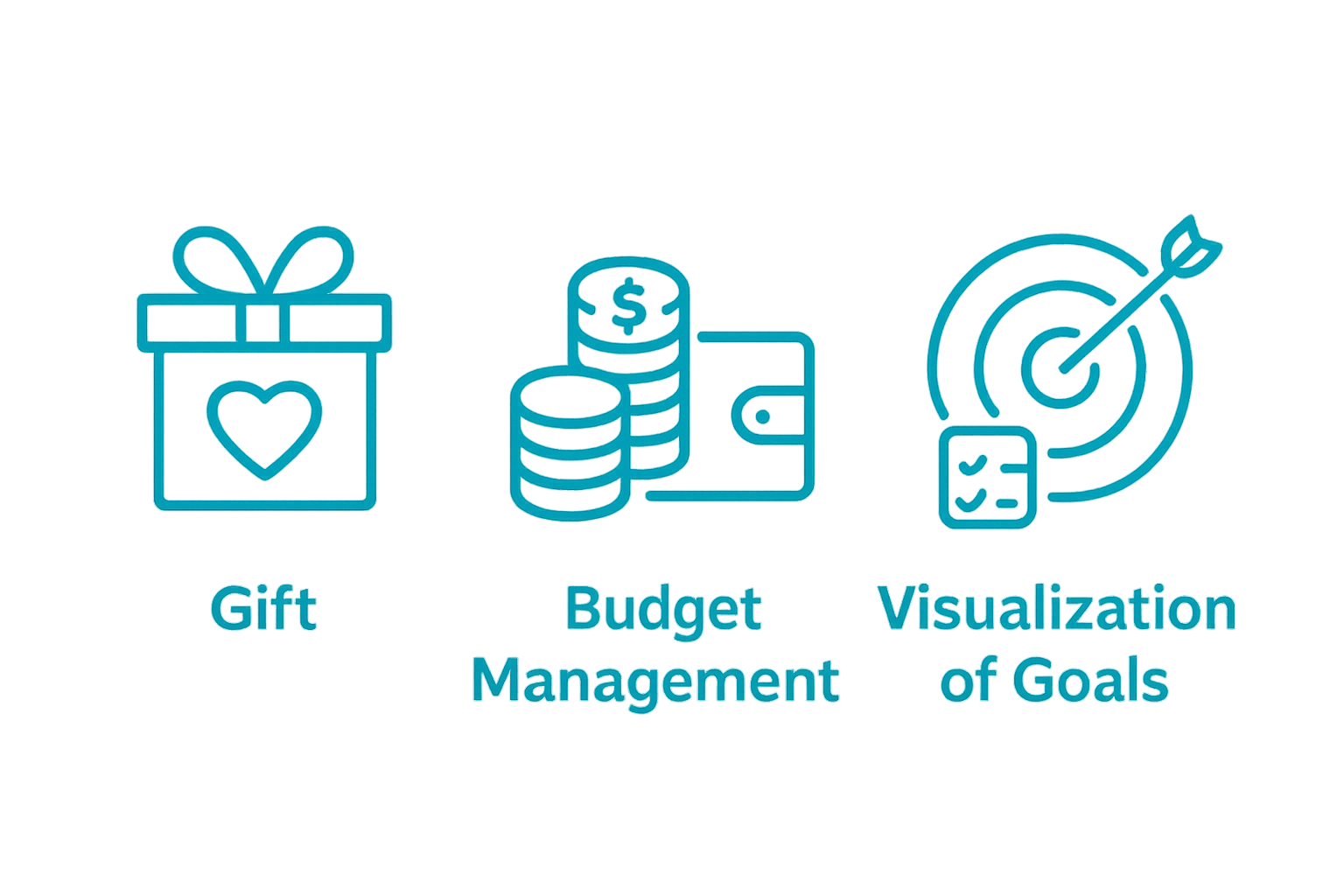 By creating a wish list, people engage in a form of intentional planning that serves multiple functions:
Ultimately, a wish list is more than a simple catalog of wants. It is a dynamic tool that reflects personal preferences, helps manage consumer expectations, and provides a structured approach to planning future acquisitions. Whether used for personal shopping strategies or as a communication tool for gift-giving, wish lists have become an integral part of modern consumer behavior.
Wish lists have become a crucial tool for modern consumers, transforming how individuals plan, track, and communicate their purchasing intentions. They offer significant advantages that extend far beyond simple product compilation, providing strategic benefits in personal shopping and gift-receiving experiences.
Consumers leverage wish lists as powerful planning instruments that help manage financial decisions and product selections. According to the Promotional Products Association International, personalized wish lists enable individuals to make more deliberate and thoughtful purchasing choices. The strategic advantages include:
Wish lists play a transformative role in gift exchanges by providing clear communication channels between gift-givers and recipients. They eliminate guesswork and reduce the likelihood of receiving unwanted presents. The benefits extend to both personal and professional contexts:
Beyond practical applications, wish lists reveal fascinating insights into consumer psychology. They represent more than simple product registries they are complex tools that reflect personal aspirations, demonstrate intentional consumption, and provide a structured approach to managing consumer desires. By creating wish lists, individuals engage in a form of self-reflection that helps prioritize wants and needs while maintaining financial discipline and personal agency in their purchasing decisions.
Online shopping wish lists have emerged as sophisticated digital tools that seamlessly integrate consumer preferences with advanced technological platforms. These dynamic systems allow shoppers to curate, organize, and manage potential purchases across multiple e-commerce environments with remarkable efficiency.
Modern wish lists function through complex digital infrastructures that enable users to save, track, and share product information.
According to MIT Libraries, these systems typically include advanced features that support comprehensive user experiences. The core technological components include:
Wish lists are designed to provide highly personalized shopping experiences that adapt to individual consumer behaviors. Key personalization strategies involve:
E-commerce platforms utilize wish lists as strategic tools to understand consumer behavior and preferences. By analyzing wish list interactions, retailers gain valuable insights into potential purchasing patterns, helping them refine marketing strategies and improve product offerings. These digital collections represent more than simple product compilations they are dynamic interfaces that bridge consumer intentions with retail opportunities, creating a sophisticated ecosystem of digital shopping engagement.

Wish lists have evolved into sophisticated digital tools that offer consumers comprehensive features designed to enhance shopping experiences and personal product management. These platforms provide a range of functionalities that go beyond simple product collection, transforming how individuals interact with potential purchases.
This table summarizes the advanced features and user controls found in modern digital wish list platforms, highlighting how these enhancements improve the wish list experience.
| Feature | Description |
|---|---|
| Product Tracking | Save and monitor items across sessions and devices |
| Social Sharing | Share wish lists with friends, family, or collaborators |
| Price Monitoring | Receive updates on price changes or sales |
| Cross-Platform Synchronization | Access and manage wish lists from different devices |
| List Customization | Categorize, prioritize, and personalize wish lists |
| Privacy Controls | Set visibility preferences for wish lists |
Modern wish list platforms integrate powerful features that empower users to manage their product interests strategically. Arizona State University research highlights the sophisticated social and technological capabilities of these digital systems. Key advanced features include:
Wish lists deliver significant advantages that extend well beyond basic product saving. Critical consumer benefits encompass:
Beyond their practical applications, wish lists serve as complex psychological tools that reveal intricate consumer behavior patterns. They represent more than digital repositories they are dynamic platforms that reflect personal aspirations, consumer preferences, and intentional purchasing strategies. By documenting and tracking potential purchases, individuals engage in a form of consumer self-reflection that helps prioritize desires, manage expectations, and make more informed purchasing decisions.
Wish lists have transcended traditional online shopping boundaries, finding innovative applications across diverse sectors including education, nonprofit organizations, and institutional resource management. These practical implementations demonstrate the versatility and strategic potential of wish list technologies beyond consumer purchasing contexts.
To clarify the different purposes wish lists serve, this table compares how individuals, nonprofits, and institutions use wish lists and the benefits each group gains.
| User Group | Primary Use | Key Benefits |
|---|---|---|
| Individuals | Personal shopping, gift planning | Organize desires, budget management, clear gift communication |
| Nonprofits | Resource requests and community donations | Visibility for needs, targeted support, transparent giving |
| Institutions | Academic or resource acquisition planning | Strategic purchasing, prioritization, efficient resource management |
MIT Libraries exemplify sophisticated wish list utilization in academic settings. Their systematic approach involves creating comprehensive wish lists for acquiring research materials, scholarly publications, and digital resources. The institutional wish list process includes:
Nonprofit organizations have ingeniously adapted wish lists as powerful community engagement tools. Strategic wish list implementations enable these organizations to:
Wish lists have emerged as dynamic platforms for addressing social needs and supporting educational initiatives. By creating curated lists of required items, organizations can directly communicate their specific needs, enabling precise and meaningful contributions. These digital registries transform traditional donation models by providing transparency, specificity, and direct connection between donors and recipients, ultimately creating more efficient and impactful support mechanisms.
If you have ever struggled to keep track of your must-have fashion, accessories, or tech gadgets, you know how overwhelming shopping can feel. The article highlighted how wish lists help you organize desires, manage your shopping budget, and communicate your true style preferences. But a digital wish list is only as good as the store behind it. Are you ready to see your favorites come together in one easy-to-use, trusted place?
Explore all your style and tech choices in one spot. Discover the latest special deals and create your own wish list right on our platform. With high-quality products, secure checkout, and fast global shipping, mrs.mattie.com makes your shopping plans easy to manage and exciting to fulfill. Don’t let your must-haves sit on a forgotten note. Visit our site now to start your wish list and get closer to owning the pieces you truly want.
A wish list serves as a personalized collection of desired items, helping individuals track their aspirations, manage budget expectations, and simplify gift-giving.
Online wish lists allow users to save and organize potential purchases, receive price alerts, and share preferences with friends and family, leading to more informed and thoughtful buying decisions.
Wish lists eliminate guesswork for gift-givers by providing clear insight into recipients’ preferences, ensuring that gifts are both thoughtful and within the giver’s budget.
By tracking desired items, wish lists help individuals make deliberate purchasing choices, compare product prices, and prioritize needs, ultimately aiding in financial planning.




Leave a comment