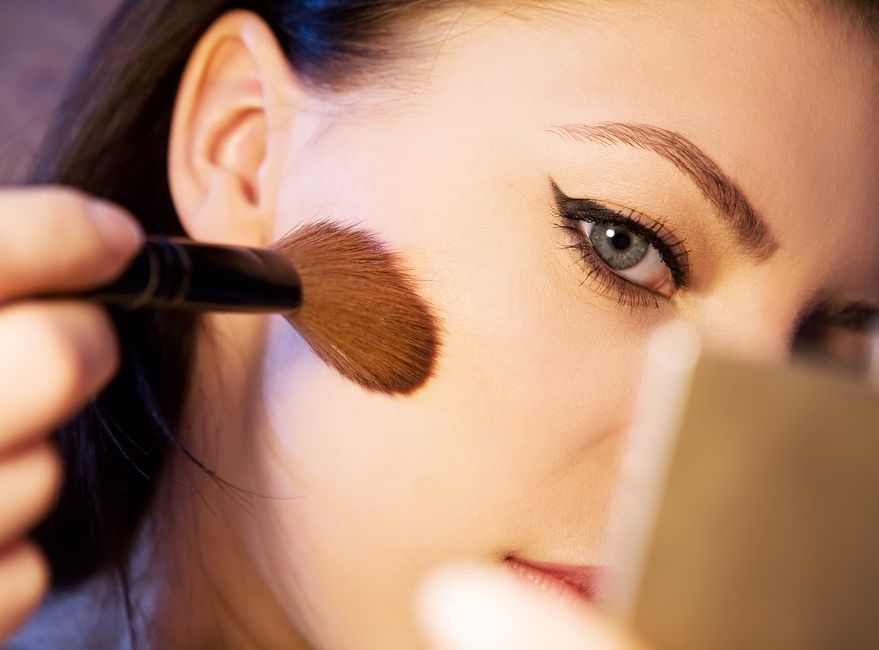
The angled contour brush has become an indispensable tool in modern makeup routines, offering precision and control that transforms how we shape and define our facial features. Whether you’re a makeup novice or a seasoned beauty enthusiast, understanding the proper use of this specialized brush can elevate your contouring technique from basic to professional-level artistry. As we navigate the evolving landscape of beauty tools in 2026, the angled contour brush remains a cornerstone of effective makeup application.
This versatile instrument features distinctively slanted bristles that follow the natural angles of your face, making it ideal for creating shadows, defining cheekbones, and sculpting a more dimensional appearance. The angled design isn’t merely aesthetic—it serves a functional purpose that allows for targeted product placement and seamless blending. Understanding how to properly utilize this tool can dramatically improve your makeup results while saving time and product.
Speaking of saving time and product, did you know that many of the principles of efficient beauty routines can be applied to other areas of your life? Much like perfecting your daily productivity, mastering your makeup application is about smart strategies and consistent effort.
The defining characteristic of an angled contour brush lies in its precisely cut bristles that form a diagonal edge. This slanted shape typically ranges from a subtle angle to a dramatic 45-degree cut, with each variation serving specific purposes. The bristles are usually densely packed to provide sufficient coverage while maintaining enough flexibility for blending.

High-quality angled contour brushes feature synthetic or natural bristles, each offering distinct advantages. Synthetic bristles excel with cream and liquid products, as they don’t absorb as much product and are easier to clean. Natural bristles, conversely, work beautifully with powder formulas, picking up just the right amount of product for a natural finish. The brush head size also matters significantly—smaller brushes offer precision for targeted contouring, while larger brushes cover more surface area for quicker application.
The handle length and weight distribution affect control and comfort during application. Professional-grade brushes typically feature balanced handles that reduce hand fatigue during extended use. As Vogue frequently highlights in their beauty coverage, investing in well-constructed tools makes a noticeable difference in application quality and longevity.
Mastering the angled contour brush begins with proper product loading. Gently swirl or tap the brush into your contour product, then tap off excess to prevent harsh lines and patchiness. The goal is to build color gradually rather than applying too much at once, which can appear muddy and difficult to blend.

The primary technique involves using the angled edge to trace along the hollows of your cheeks, starting from your ear and sweeping toward the corner of your mouth. The slanted bristles should nestle perfectly into the natural shadow beneath your cheekbone. Position the brush so the longer bristles point toward your ear while the shorter bristles face downward—this orientation provides maximum control and precision.
For forehead contouring, flip the brush so the angle works with your hairline, sweeping along the perimeter to create subtle dimension. When contouring the nose, use light, feathery strokes along the sides, allowing the angled shape to follow the natural contours. The jawline benefits from long, sweeping motions that define without creating harsh demarcation lines.
Blending is where the angled contour brush truly shines. After initial product placement, use gentle circular motions or light sweeping gestures to diffuse edges. The angled shape naturally creates a gradient effect, helping contour fade seamlessly into your base makeup. Adjust pressure as needed—lighter pressure for subtle definition, firmer pressure for more dramatic sculpting. Just like you might organize your makeup collection for efficiency, these techniques are all about structured application for the best results. Check out these home organization tips for small spaces to ensure your beauty area is as functional as your contouring technique.
Beyond traditional contouring, the angled brush serves multiple purposes that maximize its value in your makeup collection. The precise edge makes it exceptional for applying blush along the apples of your cheeks with defined placement. The angled cut allows you to follow the natural curve of your cheekbone while maintaining clean lines.
Highlighting becomes more strategic with an angled contour brush. Use the tip to place highlighter precisely on the high points of your face—the tops of cheekbones, bridge of the nose, cupid’s bow, and brow bone. The controlled application prevents over-highlighting and creates targeted luminosity exactly where you want it.
For those who enjoy creative makeup looks, the angled contour brush excels at color placement for editorial or artistic applications. The defined edge creates sharp lines for graphic designs, while the blendability allows for softer, diffused color transitions. Beauty enthusiasts have discovered its usefulness for applying eyeshadow in the crease, especially for those with hooded or deep-set eyes where precision matters.
The brush also works beautifully for applying bronzer with intention rather than sweeping it haphazardly across the face. Target specific areas where the sun would naturally tan your skin—temples, cheekbones, and jawline—for a sculpted, sun-kissed appearance that looks natural rather than muddy.
Proper maintenance ensures your angled contour brush performs optimally for years. Clean your brush regularly—at least once weekly for frequent users—using a gentle brush cleanser or mild soap. Wet the bristles with lukewarm water, apply cleanser, and gently swirl the brush in your palm to release product buildup. Rinse thoroughly until water runs clear.
Reshape the bristles while damp to maintain the angled cut. Gently squeeze excess water from the bristles and lay the brush flat on a clean towel to dry, with the brush head extending over the edge of a counter. This prevents water from seeping into the ferrule (the metal part holding bristles), which can loosen the glue and cause shedding.
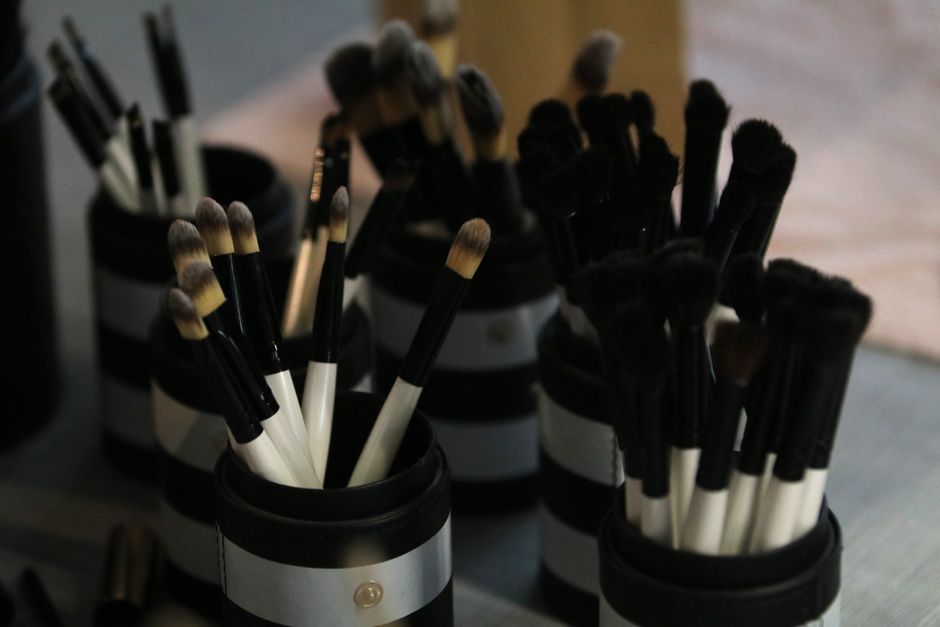
Store brushes upright in a holder or cup when completely dry, keeping the bristles from touching surfaces that might deform them. Avoid storing brushes in closed containers while damp, as this creates an environment for bacterial growth. Just as Sleep Foundation emphasizes the importance of clean sleeping environments for health, maintaining clean makeup tools is essential for skin health and product performance.
Deep clean your brushes monthly with a more thorough washing routine, and inspect them regularly for signs of wear. If bristles begin splaying, shedding excessively, or losing their angled shape, it’s time for replacement. Quality brushes should maintain their structure for several years with proper care.
Selecting the ideal angled contour brush depends on your specific needs, face shape, and preferred products. Consider the brush head size relative to your facial proportions—those with smaller faces benefit from more compact brushes, while larger faces can accommodate bigger brush heads for efficient application.
Evaluate bristle density based on your desired finish. Denser brushes provide more coverage and work well with powder products, creating defined contours with buildable intensity. Less densely packed brushes offer sheerer application, ideal for subtle sculpting or working with highly pigmented products that require a lighter touch.
Test the brush’s flexibility by gently pressing the bristles against your hand. They should feel soft yet resilient, bouncing back to their original shape. Scratchy or stiff bristles indicate lower quality and will drag across your skin, making blending difficult and potentially causing irritation.
Consider your budget realistically. While premium brushes often justify their cost through superior performance and durability, many mid-range options deliver excellent results. Read reviews from users with similar skin types and makeup preferences. Much like when you’re trying to decide how to choose the right smart doorbell, research and understanding your specific needs are key to making an informed decision about beauty tools.
As noted by beauty experts featured in publications like Britannica, the evolution of beauty tools has made professional-quality instruments increasingly accessible to everyday consumers. This accessibility parallels the growth in smart home technology, where understanding smart home protocols has become vital for modern homeowners.
Even with the right brush, certain pitfalls can undermine your contouring efforts. Applying too much product initially is perhaps the most common error. Build gradually, adding thin layers until you achieve desired intensity. Removing excess product is significantly harder than adding more.
Using the wrong angle creates unnatural results. The brush should work with your facial structure, not against it. Experiment with brush positioning to find what creates the most flattering shadows for your unique features. What works for one face shape may not translate to another.
Neglecting to blend is a critical mistake that results in harsh, obvious lines. Contouring should create the illusion of natural shadows and dimension. Take time to blend thoroughly, checking your work in natural lighting to ensure seamless transitions.
Using an angled contour brush with the wrong product consistency can compromise results. Match brush type to product formulation—synthetic bristles for creams and liquids, natural bristles for powders. Forcing incompatible combinations leads to streaky, uneven application.
The angled contour brush represents a powerful tool for anyone seeking to enhance their facial features through strategic shading and sculpting. Its specialized design offers precision that standard brushes cannot match, making it an essential addition to any makeup collection. By understanding proper techniques, maintaining your brush carefully, and avoiding common mistakes, you can achieve professional-quality contouring that enhances your natural beauty.
As makeup application continues evolving with new techniques and products, the fundamental principles of working with an angled contour brush remain constant. Practice builds skill and confidence, transforming this simple tool into an extension of your artistic expression. Whether creating everyday definition or dramatic sculpting, mastering the angled contour brush empowers you to take control of your makeup results and discover your most confident self.




Leave a comment