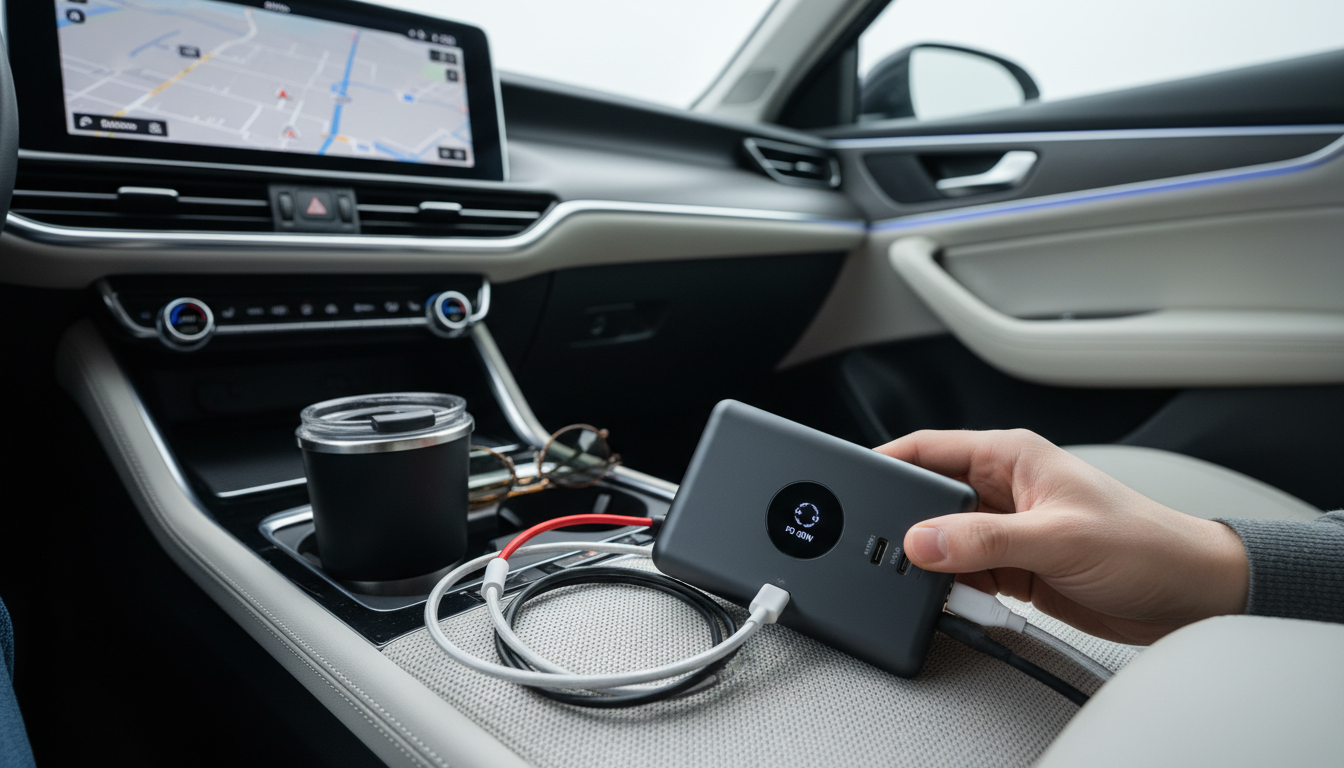
“USB-C PD QC” is shorthand people use when they’re talking about fast charging over USB-C and want to know whether a device, charger, or cable supports USB Power Delivery (PD), Qualcomm Quick Charge (QC), or both. They’re two different fast-charging “languages” that negotiate how much power can safely flow from a charger to a phone, tablet, laptop, or accessory.
USB-C Power Delivery is an open standard built around USB-C connectors. It allows the charger and device to negotiate higher power levels than basic USB charging, which is why PD is common on modern phones and especially important for tablets and laptops. Depending on the charger and device, PD can supply anything from low-watt trickle charging up to high-watt charging for power-hungry gear, as long as the cable and charger are rated for it.
Quick Charge is a fast-charging technology developed by Qualcomm and widely used on many Android phones and compatible chargers. QC also negotiates voltage/current changes to charge faster, but it’s not the same protocol as USB-C PD. Some chargers advertise QC versions (like QC 3.0 or QC 4+), which can matter for compatibility and peak charging speeds on certain phones.
Many multi-port wall chargers support both PD and QC so they can fast-charge a wider range of devices. In practice, a USB-C port is often optimized for PD, while a USB-A port may offer QC—though some USB-C ports can support QC as well, depending on the charger design.
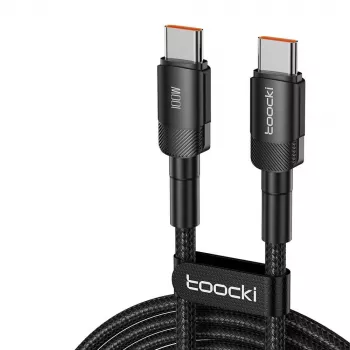
Even with a PD/QC-capable charger, the cable can limit charging speed. Higher-watt USB-C to USB-C charging (such as 5A/100W setups) requires the right type of cable and e-marker support. For a deeper breakdown of PD, QC, and what “100W,” “PD 3.0,” and “QC 4.0” mean for real-world charging, see this guide to 100W USB-C to USB-C cables and PD/QC.
PD is typically the better all-around choice for USB-C devices, especially tablets and laptops, because it’s a widely adopted standard. QC can be excellent for phones that specifically support it, but compatibility depends more on the device and charger pairing.
Most modern Samsung Galaxy phones primarily use USB Power Delivery (PD), often with PPS (Programmable Power Supply) for their fastest “Super Fast Charging” modes. Some models may still work with QC-compatible chargers, but PD/PPS is usually the target for best results.
“USB-C PD QC” is shorthand people use when they’re talking about fast charging over USB-C and want to know whether a device, charger, or cable supports USB Power Delivery (PD), Qualcomm Quick Charge (QC), or both. They’re two different fast-charging “languages” that negotiate how much power can safely flow from a charger to a phone, tablet, laptop, or accessory.
USB-C Power Delivery is an open standard built around USB-C connectors. It allows the charger and device to negotiate higher power levels than basic USB charging, which is why PD is common on modern phones and especially important for tablets and laptops. Depending on the charger and device, PD can supply anything from low-watt trickle charging up to high-watt charging for power-hungry gear, as long as the cable and charger are rated for it.
Quick Charge is a fast-charging technology developed by Qualcomm and widely used on many Android phones and compatible chargers. QC also negotiates voltage/current changes to charge faster, but it’s not the same protocol as USB-C PD. Some chargers advertise QC versions (like QC 3.0 or QC 4+), which can matter for compatibility and peak charging speeds on certain phones.
Many multi-port wall chargers support both PD and QC so they can fast-charge a wider range of devices. In practice, a USB-C port is often optimized for PD, while a USB-A port may offer QC—though some USB-C ports can support QC as well, depending on the charger design.
Even with a PD/QC-capable charger, the cable can limit charging speed. Higher-watt USB-C to USB-C charging (such as 5A/100W setups) requires the right type of cable and e-marker support. For a deeper breakdown of PD, QC, and what “100W,” “PD 3.0,” and “QC 4.0” mean for real-world charging, see this guide to 100W USB-C to USB-C cables and PD/QC.
PD is typically the better all-around choice for USB-C devices, especially tablets and laptops, because it’s a widely adopted standard. QC can be excellent for phones that specifically support it, but compatibility depends more on the device and charger pairing.
Most modern Samsung Galaxy phones primarily use USB Power Delivery (PD), often with PPS (Programmable Power Supply) for their fastest “Super Fast Charging” modes. Some models may still work with QC-compatible chargers, but PD/PPS is usually the target for best results.
“USB-C PD QC” is shorthand people use when they’re talking about fast charging over USB-C and want to know whether a device, charger, or cable supports USB Power Delivery (PD), Qualcomm Quick Charge (QC), or both. They’re two different fast-charging “languages” that negotiate how much power can safely flow from a charger to a phone, tablet, laptop, or accessory.
USB-C Power Delivery is an open standard built around USB-C connectors. It allows the charger and device to negotiate higher power levels than basic USB charging, which is why PD is common on modern phones and especially important for tablets and laptops. Depending on the charger and device, PD can supply anything from low-watt trickle charging up to high-watt charging for power-hungry gear, as long as the cable and charger are rated for it.
Quick Charge is a fast-charging technology developed by Qualcomm and widely used on many Android phones and compatible chargers. QC also negotiates voltage/current changes to charge faster, but it’s not the same protocol as USB-C PD. Some chargers advertise QC versions (like QC 3.0 or QC 4+), which can matter for compatibility and peak charging speeds on certain phones.
Many multi-port wall chargers support both PD and QC so they can fast-charge a wider range of devices. In practice, a USB-C port is often optimized for PD, while a USB-A port may offer QC—though some USB-C ports can support QC as well, depending on the charger design.
Even with a PD/QC-capable charger, the cable can limit charging speed. Higher-watt USB-C to USB-C charging (such as 5A/100W setups) requires the right type of cable and e-marker support. For a deeper breakdown of PD, QC, and what “100W,” “PD 3.0,” and “QC 4.0” mean for real-world charging, see this guide to 100W USB-C to USB-C cables and PD/QC.
PD is typically the better all-around choice for USB-C devices, especially tablets and laptops, because it’s a widely adopted standard. QC can be excellent for phones that specifically support it, but compatibility depends more on the device and charger pairing.
Most modern Samsung Galaxy phones primarily use USB Power Delivery (PD), often with PPS (Programmable Power Supply) for their fastest “Super Fast Charging” modes. Some models may still work with QC-compatible chargers, but PD/PPS is usually the target for best results.






Leave a comment