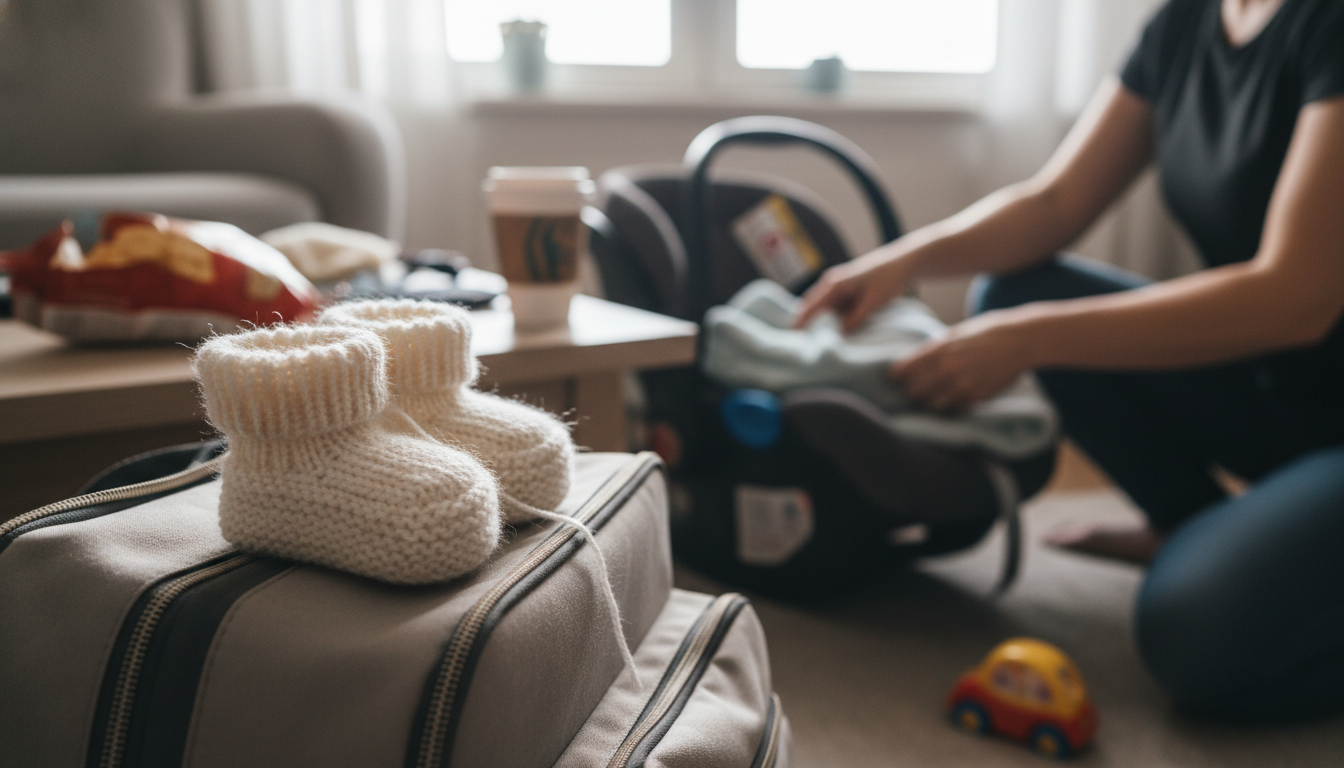
Knitting baby booties usually isn’t “hard,” but it can feel fussy at first because everything is small and the shaping happens quickly. If you can knit and purl, you already have the core skills. The main challenges are working with tiny stitches, keeping track of increases/decreases, and finishing neatly so the booties are comfortable against baby skin.
For many knitters, baby booties are actually a friendly first project in shaping because they’re fast, use little yarn, and let you practice techniques without committing to a big garment. Picking the right pattern matters: some designs are seamless and knit in the round, while others are flat pieces that get stitched together. Seamless options often look polished, but flat-knit patterns can be easier to see and count.
Small needles and tight stitches: Tiny circumferences can feel cramped. Using slightly larger needles (if the pattern allows) or a smoother yarn can reduce hand strain and help stitches slide more easily.
Shaping that happens fast: Toes, heels, and insteps may be formed within a few rows. Stitch markers and a row counter (even a simple tally on paper) can prevent missed steps.
Getting them to stay on: Fit is the real make-or-break factor. Look for patterns with ribbed cuffs, ties, or a snug ankle, and choose yarn with a bit of elasticity so the booties don’t slip off during kicking.
Finishing details: Weaving in ends and seaming neatly matters more on baby items. Take a minute to check the inside for scratchy ends and bulky knots.
Choose a pattern labeled “easy” that uses basic stitches, minimal seaming, and clear sizing. A soft, washable yarn in a light color also helps you see your stitches and spot mistakes quickly. For a deeper walkthrough on comfort, warmth, and getting a secure fit, visit this guide to knitted baby booties.
They’re often easier than they look because the project is small, but the tight scale can be challenging. With a beginner-friendly pattern and basic knit/purl skills, most people can make a wearable pair quickly.
Many pairs take about 1–3 hours depending on the pattern, yarn weight, and your speed. More detailed styles with cables, colorwork, or intricate finishing can take longer.
Knitting baby booties usually isn’t “hard,” but it can feel fussy at first because everything is small and the shaping happens quickly. If you can knit and purl, you already have the core skills. The main challenges are working with tiny stitches, keeping track of increases/decreases, and finishing neatly so the booties are comfortable against baby skin.
For many knitters, baby booties are actually a friendly first project in shaping because they’re fast, use little yarn, and let you practice techniques without committing to a big garment. Picking the right pattern matters: some designs are seamless and knit in the round, while others are flat pieces that get stitched together. Seamless options often look polished, but flat-knit patterns can be easier to see and count.
Small needles and tight stitches: Tiny circumferences can feel cramped. Using slightly larger needles (if the pattern allows) or a smoother yarn can reduce hand strain and help stitches slide more easily.
Shaping that happens fast: Toes, heels, and insteps may be formed within a few rows. Stitch markers and a row counter (even a simple tally on paper) can prevent missed steps.
Getting them to stay on: Fit is the real make-or-break factor. Look for patterns with ribbed cuffs, ties, or a snug ankle, and choose yarn with a bit of elasticity so the booties don’t slip off during kicking.
Finishing details: Weaving in ends and seaming neatly matters more on baby items. Take a minute to check the inside for scratchy ends and bulky knots.
Choose a pattern labeled “easy” that uses basic stitches, minimal seaming, and clear sizing. A soft, washable yarn in a light color also helps you see your stitches and spot mistakes quickly. For a deeper walkthrough on comfort, warmth, and getting a secure fit, visit this guide to knitted baby booties.
They’re often easier than they look because the project is small, but the tight scale can be challenging. With a beginner-friendly pattern and basic knit/purl skills, most people can make a wearable pair quickly.
Many pairs take about 1–3 hours depending on the pattern, yarn weight, and your speed. More detailed styles with cables, colorwork, or intricate finishing can take longer.
Knitting baby booties usually isn’t “hard,” but it can feel fussy at first because everything is small and the shaping happens quickly. If you can knit and purl, you already have the core skills. The main challenges are working with tiny stitches, keeping track of increases/decreases, and finishing neatly so the booties are comfortable against baby skin.
For many knitters, baby booties are actually a friendly first project in shaping because they’re fast, use little yarn, and let you practice techniques without committing to a big garment. Picking the right pattern matters: some designs are seamless and knit in the round, while others are flat pieces that get stitched together. Seamless options often look polished, but flat-knit patterns can be easier to see and count.
Small needles and tight stitches: Tiny circumferences can feel cramped. Using slightly larger needles (if the pattern allows) or a smoother yarn can reduce hand strain and help stitches slide more easily.
Shaping that happens fast: Toes, heels, and insteps may be formed within a few rows. Stitch markers and a row counter (even a simple tally on paper) can prevent missed steps.
Getting them to stay on: Fit is the real make-or-break factor. Look for patterns with ribbed cuffs, ties, or a snug ankle, and choose yarn with a bit of elasticity so the booties don’t slip off during kicking.
Finishing details: Weaving in ends and seaming neatly matters more on baby items. Take a minute to check the inside for scratchy ends and bulky knots.
Choose a pattern labeled “easy” that uses basic stitches, minimal seaming, and clear sizing. A soft, washable yarn in a light color also helps you see your stitches and spot mistakes quickly. For a deeper walkthrough on comfort, warmth, and getting a secure fit, visit this guide to knitted baby booties.
They’re often easier than they look because the project is small, but the tight scale can be challenging. With a beginner-friendly pattern and basic knit/purl skills, most people can make a wearable pair quickly.
Many pairs take about 1–3 hours depending on the pattern, yarn weight, and your speed. More detailed styles with cables, colorwork, or intricate finishing can take longer.
Knitting baby booties usually isn’t “hard,” but it can feel fussy at first because everything is small and the shaping happens quickly. If you can knit and purl, you already have the core skills. The main challenges are working with tiny stitches, keeping track of increases/decreases, and finishing neatly so the booties are comfortable against baby skin.
For many knitters, baby booties are actually a friendly first project in shaping because they’re fast, use little yarn, and let you practice techniques without committing to a big garment. Picking the right pattern matters: some designs are seamless and knit in the round, while others are flat pieces that get stitched together. Seamless options often look polished, but flat-knit patterns can be easier to see and count.
Small needles and tight stitches: Tiny circumferences can feel cramped. Using slightly larger needles (if the pattern allows) or a smoother yarn can reduce hand strain and help stitches slide more easily.
Shaping that happens fast: Toes, heels, and insteps may be formed within a few rows. Stitch markers and a row counter (even a simple tally on paper) can prevent missed steps.
Getting them to stay on: Fit is the real make-or-break factor. Look for patterns with ribbed cuffs, ties, or a snug ankle, and choose yarn with a bit of elasticity so the booties don’t slip off during kicking.
Finishing details: Weaving in ends and seaming neatly matters more on baby items. Take a minute to check the inside for scratchy ends and bulky knots.
Choose a pattern labeled “easy” that uses basic stitches, minimal seaming, and clear sizing. A soft, washable yarn in a light color also helps you see your stitches and spot mistakes quickly. For a deeper walkthrough on comfort, warmth, and getting a secure fit, visit this guide to knitted baby booties.
They’re often easier than they look because the project is small, but the tight scale can be challenging. With a beginner-friendly pattern and basic knit/purl skills, most people can make a wearable pair quickly.
Many pairs take about 1–3 hours depending on the pattern, yarn weight, and your speed. More detailed styles with cables, colorwork, or intricate finishing can take longer.




Leave a comment