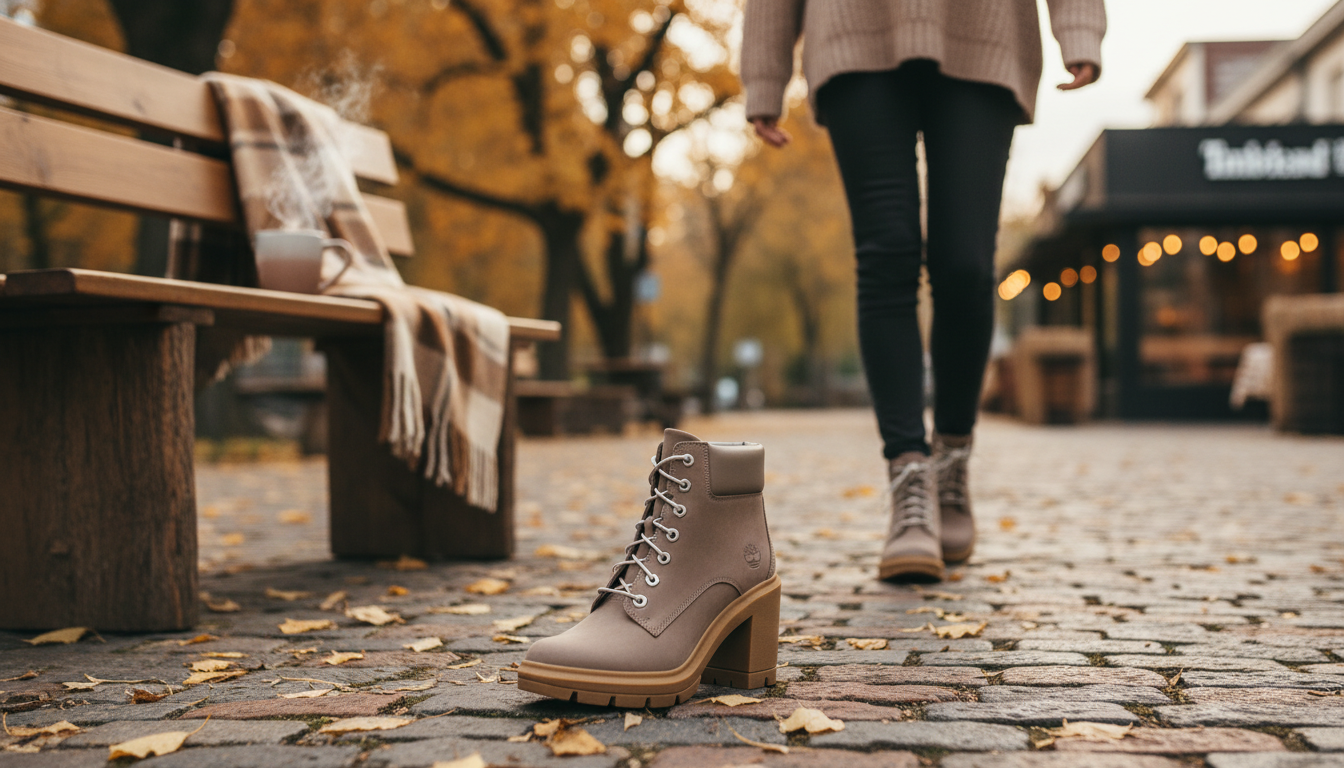
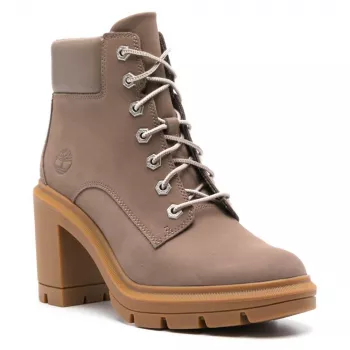
Beige leather ankle boots sit in the sweet spot between casual and dressed-up, and Timberland’s take is built for real wear—commutes, weekends, and unpredictable weather. This guide breaks down materials, fit, comfort, styling, and care so it’s easy to decide if this pair belongs in rotation.
Shop the look (in stock)
What stands out about these beige leather ankle boots
- Neutral beige tone: Easy with denim, black trousers, and tonal outfits without looking heavy or harsh.
- Ankle height balance: Enough coverage and structure to feel grounded, but lighter and less bulky than mid-calf styles.
- Leather upper: Built for durability and a more refined finish than many fabric or faux alternatives.
- Daily-wear versatility: Stable for walking, simple to dress up for casual offices, and wearable across seasons with the right socks.
Materials and leather: what “premium leather” usually means
Timberland often labels select uppers as “Premium Timberland® Leather,” a branded standard that typically emphasizes quality and responsible sourcing. Timberland publishes information about its leather sourcing and standards here: Premium Timberland® Leather and responsible sourcing.
- Grain and finish can vary: Even within “premium leather,” the feel may be smoother, pebbled, or lightly coated depending on the model and colorway.
- Natural variation is normal: Small tonal shifts and creasing show up with wear—especially at flex points—and often look better over time.
- Protection matters more than color: Water and stain resistance depend on the finish and any applied treatment. Beige benefits from proactive protection to keep the tone crisp.
- Construction details tell a lot: Clean stitching, well-finished edges, and a supportive lining help ankle boots hold their shape through repeated wear.
Fit and sizing: getting the right feel from day one
Leather ankle boots should feel secure immediately, with just enough give to accommodate normal leather “relaxing” as it breaks in. The goal is comfort without relying on stretching to fix length or major tightness.
- Toe room: Aim for wiggle space without your heel sliding. Leather can ease slightly, but the length should feel right on the first try.
- Width and instep: Many ankle boots feel snug over the top of the foot. If you’re between sizes, prioritize instep comfort and fine-tune with socks or insoles.
- Socks matter: Thin socks create a sleeker fit; medium cushioning helps with long walks; winter socks can require extra room.
- Break-in expectations: Supportive is good; painful is not. Persistent hot spots around the collar or instep often signal the wrong size or closure tension.
Quick fit checks for leather ankle boots
| Check |
What “good” feels like |
Common fix if it’s off |
| Heel hold |
Minimal slip when walking |
Try a slightly smaller size or add a heel grip |
| Toe space |
Toes don’t press the front when standing |
Size up if toes touch; avoid “stretching length” expectations |
| Instep pressure |
Snug but not pinching |
Loosen laces/adjust closure; consider wide sizing or size up |
| Ankle comfort |
No sharp rubbing at the collar |
Different socks; moleskin during break-in; reassess size if persistent |
| Arch support |
Stable feel over long wear |
Add a supportive insole if needed |
Comfort and traction for everyday walking
- Cushioning: Leather ankle boots typically feel firmer than sneakers. A slim, supportive insole can add comfort without changing the look.
- Outsole grip: For wet sidewalks and shoulder seasons, traction is about tread depth and rubber compound—not just the pattern you see at first glance.
- Weight and flexibility: A slightly structured boot can feel stable and “secure.” Too stiff can become tiring, so expect a short break-in period.
- Temperature range: Beige leather works year-round. Go lighter on socks in warmer months; in winter, use thicker socks plus a protective spray for slush and salt.
How to wear beige ankle boots without overthinking it
Care routine to keep beige leather looking fresh
Light-colored leather looks best with a simple routine: protect early, clean gently, condition sparingly, and store thoughtfully. For general cleaning/conditioning tips, see this overview: Leather care basics (cleaning and conditioning guidance).
Price and value: when leather ankle boots make sense
- Cost-per-wear potential: Neutral ankle boots can stand in for multiple pairs on mild-weather days—especially when you want something polished that still walks well.
- Durability payoff: A well-cared-for leather upper and solid sole typically outlast many synthetic options.
- Versatility edge: Beige reads softer than black but still functions like a staple, moving easily from daytime errands to dinner plans.
- Return planning: Try them on indoors on a clean surface so exchanges stay simple if the size or width isn’t right. Timberland’s return details are listed here: Timberland — Returns & Exchanges.
FAQ
What type of leather is premium Timberland leather?
“Premium Timberland® Leather” is Timberland’s branded leather standard and is commonly associated with sourcing from tanneries rated for environmental processes, though the grain and finish can vary by model. Natural variations and creasing are normal, and routine protection plus occasional conditioning helps it wear well over time.
Do you size up or down on Timberland boots?
Start true-to-size, then adjust based on what you feel: toes should never press the front, and heel slip should be minimal. If the instep feels tight, prioritize comfort there and fine-tune with socks or an insole; exchange if rubbing or toe contact persists.
Can I return my old Timberland boots for new ones?
That depends on the specific return window, condition requirements, and whether a retailer offers any trade-in or recycling program. Check Timberland’s official return policy and the store’s rules where the boots were purchased.
Recommended for you




Leave a comment