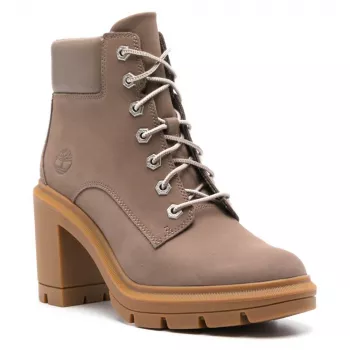
Sometimes—but it depends on what “trade in” means for you. Timberland doesn’t run a universal, always-on trade-in program where you mail in old boots for credit. Instead, most trade-in style options happen through specific retailers, limited-time brand campaigns, or third-party resale and recycling platforms. The good news: if your Timberlands are still wearable, you often have a few realistic ways to turn them into value rather than letting them sit in a closet.
Some retailers occasionally offer buy-back, trade-in promotions, or loyalty events that accept used footwear. If you purchased from a major outdoor or department retailer, search that store’s “trade-in,” “used gear,” or “recommerce” page, or ask customer service what programs are currently running.
If your boots have intact soles, functional eyelets, and clean leather, resale is often the easiest path to getting money back. Clean them, photograph them in good light, and include details like size, style name/number (from the tag), and any wear. Buyers typically pay more for well-kept nubuck/leather and boots that haven’t been heavily soaked or cracked.
When the tread is bald, the midsole is collapsing, or the leather is splitting, donation or recycling becomes the better option. Many local charities accept boots in usable condition, and some shoe-recycling drop-offs accept worn pairs.
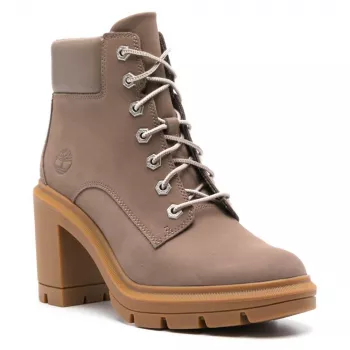
Sometimes a quick reset—cleaning, re-lacing, and conditioning—makes a pair worth keeping (or reselling for more). For care ideas and styling context, see this guide to Timberland women’s beige leather ankle boots: https://mrsmattie.com/blog/guide-timberland-womens-beige-leather-ankle-boots-guide/.
Brush off dry dirt first, then wipe with a damp cloth and a gentle cleaner made for leather or nubuck (matching your boot’s material). Let them air-dry away from heat, then condition smooth leather lightly to reduce dullness and cracking.





Leave a comment