
Valuable vintage vases typically combine recognizable makers, strong design periods, quality materials, and condition. While “old” doesn’t always mean “worth more,” certain categories consistently attract collectors and higher resale prices.
Vases with a legible maker’s mark, signature, or studio stamp often command a premium because provenance is easier to verify. Mid-century studio ceramics, especially pieces tied to well-documented potters or regional art pottery studios, can be particularly sought-after when forms are distinctive and glazes are complex or difficult to replicate.
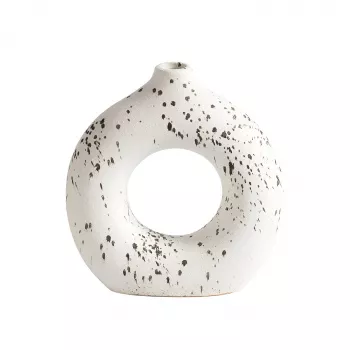
Collectors often pay more for clean, sculptural silhouettes associated with the 1950s–1970s—think hollow “donut” or circle vases, biomorphic shapes, and minimal profiles. Value increases when the piece has balanced proportions, an original glaze (not repainted), and no hairline cracks or repairs.
Older American art pottery brands and ateliers can be valuable when authenticity is clear and decoration is crisp. Look for well-known markings on the base, consistent glaze patterns, and period-correct wear. Pieces from established lines and limited runs tend to sell better than mass-produced, unmarked décor.
Vintage glass can be valuable when it’s tied to recognized manufacturers or signature techniques (e.g., hand-blown forms, controlled bubbles, cased glass, or distinctive colorways). Condition matters a lot—chips on rims and bases can reduce value substantially, even on desirable designs.
Some Asian ceramics are highly collectible, but this is also an area with many reproductions. Value rises with solid provenance, correct marks, and expert-confirmed age. When in doubt, compare against reputable references or seek an appraisal before paying “antique” pricing.
Across all types, the biggest price drivers are authenticity (marks and provenance), rarity, condition (no cracks, repairs, or heavy wear), and design demand. If you’re drawn to modern sculptural ceramics, this styling and care guide to a circle hollow vase offers helpful context on how these forms are appreciated and displayed: https://mrsmattie.com/blog/guide-modern-ceramic-circle-hollow-vase-styling-care/.
Check the base for maker’s marks, signatures, or factory stamps, then compare them to verified examples from reference books or reputable dealer listings. Also look for consistent aging and wear; fresh-looking paint, new adhesive, or mismatched patina can signal repairs or reproductions.






Leave a comment