
Yes—100% wool coats are a strong choice for winter because wool naturally insulates, manages moisture, and stays warm even when conditions are damp. The fiber structure traps air for heat retention, while still allowing some breathability, which can make a wool coat feel comfortable during everything from brisk walks to stop-and-go errands.
That said, how “good” a 100% wool coat feels in winter depends on the details. A dense, heavier wool (often measured by coat weight and the tightness of the weave) blocks wind better than a loosely woven wool. A longer hemline, high collar, and secure closures also help prevent heat loss. If the coat has a lining, it can reduce itchiness and make layering easier without adding bulk.
Weight and weave: Heavier, tightly woven wool generally equals better warmth and wind resistance.
Fit for layering: Leave room for a sweater or blazer without pulling at the shoulders or arms.
Warmth features: A stand collar, storm flap, knit cuffs, or a double-breasted front can noticeably improve cold-weather performance.
Care and durability: Wool resists odors and wrinkles well, but many coats are dry-clean only. A lint brush and periodic de-pilling can keep it looking sharp.
In very wet snow, freezing rain, or high wind, a wool coat can need backup: a water-resistant shell, an umbrella, or a shorter time outdoors. For long stretches outside in subfreezing temperatures, warmth also depends on layering (base layer + insulating mid-layer) and accessories like a hat, scarf, and gloves.
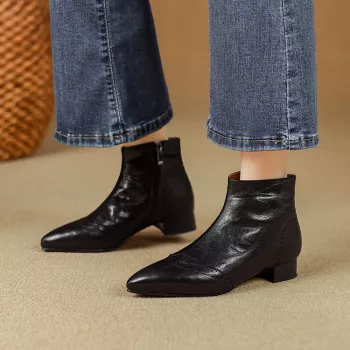
Footwear matters, too. Pairing a wool coat with insulated, winter-appropriate shoes makes cold weather feel far more manageable. For ideas on cold-season styling and warmth strategies, see this guide to wool-lined leather ankle boots with chunky heels for winter.
Down is usually warmer for its weight, especially in very cold, dry conditions. A thick wool coat can still be very warm, and it often performs better in milder, damp winter weather where breathability and temperature regulation matter.






Leave a comment