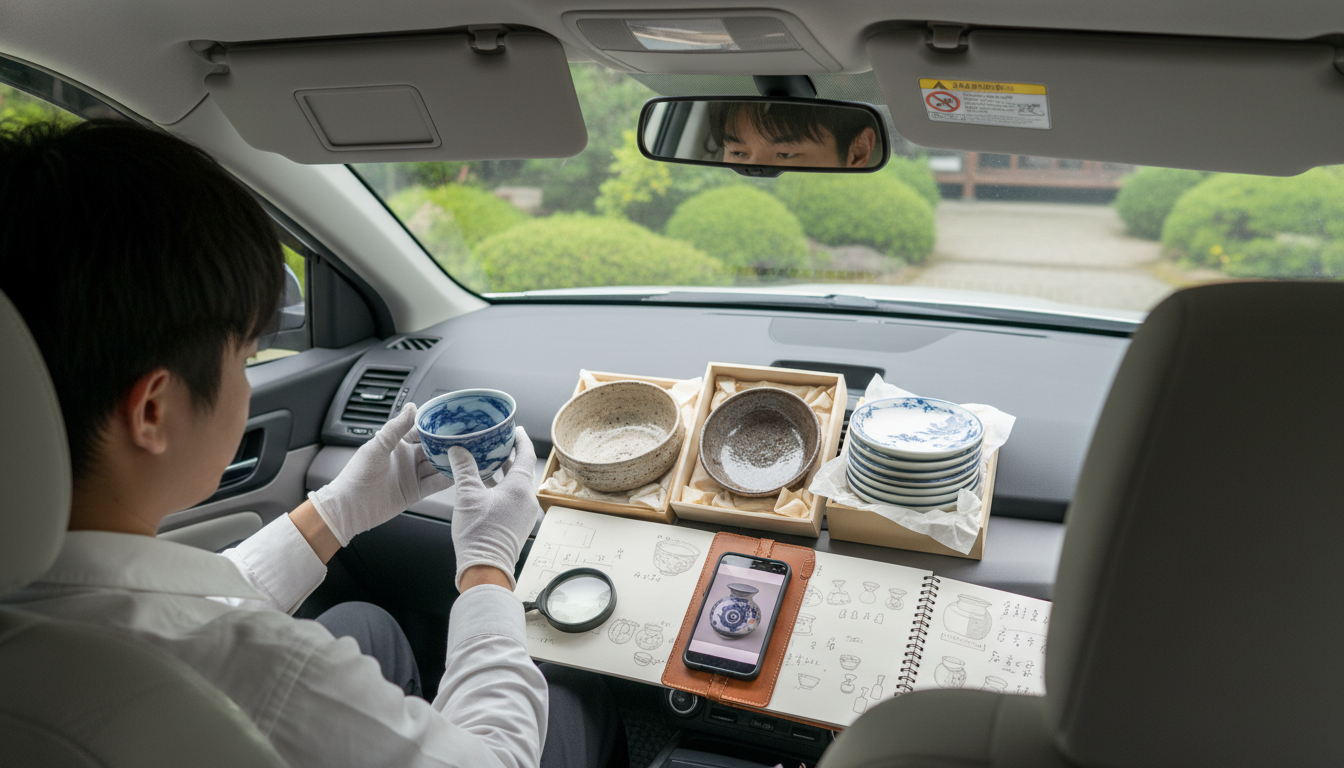
Japanese ceramics can be very valuable, but their value varies widely based on age, maker, provenance, and condition. A humble modern bowl from a neighborhood kiln may be priced for daily use, while an authenticated piece from a renowned tradition or artist can command premium prices among collectors. Value isn’t only about cost, either—many Japanese wares are prized for craftsmanship, glaze character, and the way they elevate everyday rituals like tea, cooking, or serving.
The biggest drivers of value are authenticity and attribution. Pieces tied to well-documented kiln sites (such as Bizen, Shigaraki, Mashiko, or Arita), celebrated lineages, or known studio potters typically carry higher demand. A signed tomobako (wood storage box), artist marks, gallery paperwork, or auction history can add credibility and increase value.
Materials and technique also matter. Hand-thrown forms, distinctive glazes, wood-firing effects, and time-intensive processes tend to push value higher than mass-produced pieces. Some styles intentionally celebrate irregularity and natural ash deposits; collectors often view those “imperfections” as evidence of authentic making.
Age helps, but it’s not the only factor. Antique Japanese ceramics may be valuable because of rarity and historical importance, yet many older items were produced in large quantities and aren’t necessarily high-end today. Meanwhile, contemporary ceramics by sought-after artists can be very valuable even when newly made—especially if the artist has exhibitions, awards, or limited output.
Look for maker’s marks, documented origin, and overall condition. Chips, hairline cracks, heavy crazing, repairs, or staining can reduce market value, though certain repairs (like traditional kintsugi) may be appreciated when disclosed and well executed. If a piece feels unusually light or overly uniform, it may indicate factory production rather than studio work.
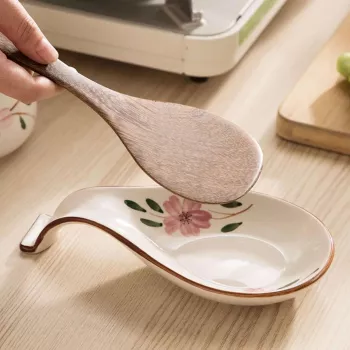
If your interest is functional Japanese ceramics for the home—like thoughtfully designed rest pieces that protect counters and keep tools tidy—see this practical guide: Japanese ceramic spoon rest with built-in counter shelf.
Hand-wash when possible, avoid sudden temperature changes, and store pieces so rims don’t knock together. For unglazed or porous wares, limit exposure to strong odors or oils that can soak in and leave lasting stains.






Leave a comment