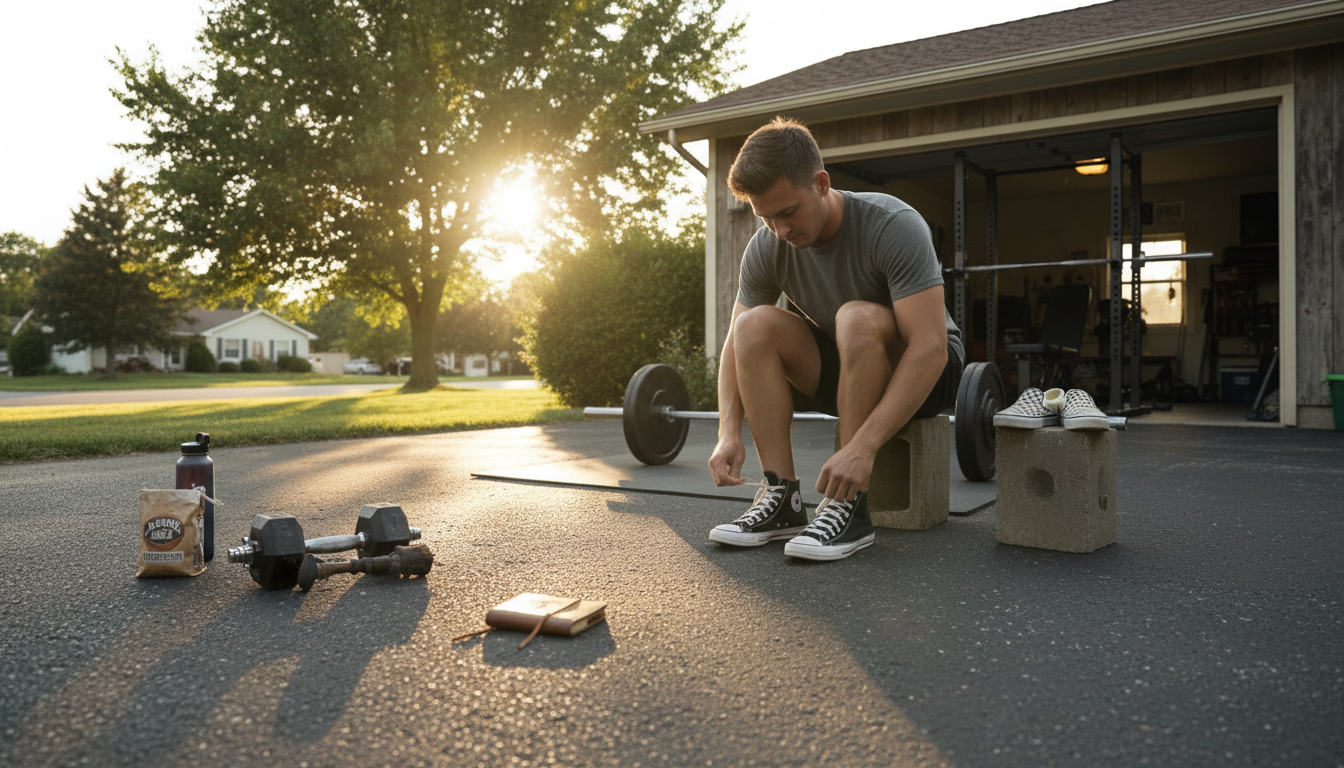
For most lifters, Vans are usually the better pick for weight training because they tend to feel more stable underfoot, especially in the heel. Their flatter, denser sole helps limit “squish,” which can make movements like squats, deadlifts, and overhead press feel more grounded and consistent. Converse can still work well for lifting—particularly for deadlifts and lighter strength sessions—but they often feel narrower and less cushioned, which isn’t everyone’s favorite once workouts get longer.
Vans (especially classic, flat models) are known for a firmer platform and a broader base. That combination can improve balance when bracing and driving through the floor. Many lifters also like how Vans feel on lateral movements and general gym work because the shoe doesn’t twist much and the outsole grips well on rubber gym flooring.
Converse Chuck Taylors are a longtime gym staple for a reason: the sole is flat, the shoe is lightweight, and it keeps you close to the ground—great for deadlifts and other pulls where minimal heel height is preferred. High-tops can also add a touch of ankle coverage (not true support, but some people like the feel). The trade-off is that Converse can feel less roomy in the toe box and less forgiving if you’re on your feet for a long session.
If the shoe fits poorly, neither option is “better.” Choose the pair that gives you a secure midfoot, a stable heel, and enough toe room to splay slightly under load. Also consider your training: if you do Olympic lifts or need a raised heel for squat mechanics, a dedicated weightlifting shoe may outperform both.
For a deeper breakdown of fit, grip, and comfort differences, see the full guide here: Converse vs Vans: Fit, Grip, Comfort & Best Uses.
Yes. Their flat, low-profile sole keeps you close to the floor, which many people like for pulling movements. Just make sure the fit feels stable and not overly narrow in the forefoot.





Leave a comment