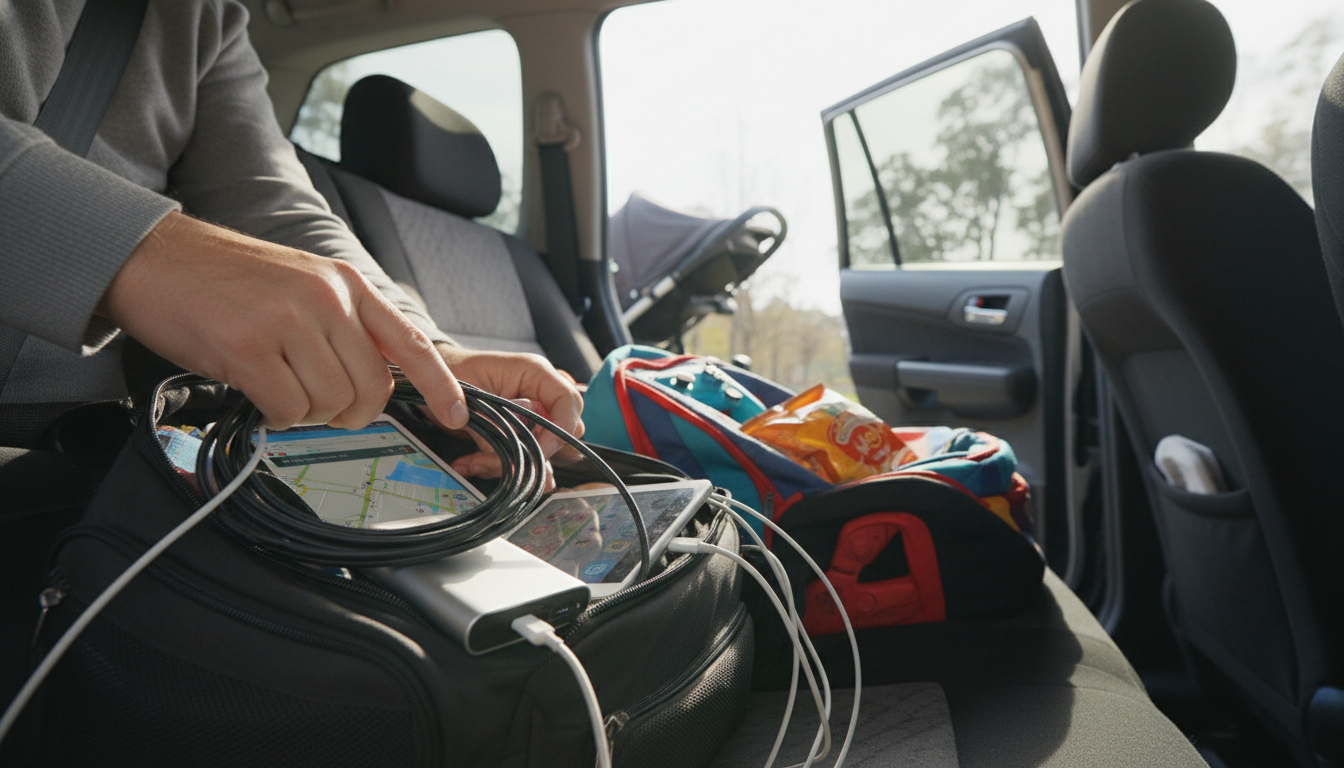
Yes—often you do. USB Power Delivery (PD) can push much more power than older USB charging methods, and the cable has to be built to safely carry that power while also letting the charger and device “negotiate” the correct wattage. If the cable can’t handle the requested power, charging may be slower, unstable, or not work at all.
For lower-power PD charging (like many phones, earbuds, and small accessories), a standard USB-C to USB-C cable from a reputable brand is usually enough. Many cables can handle 3A current, which commonly supports up to about 60W with PD (depending on the voltage profile negotiated).
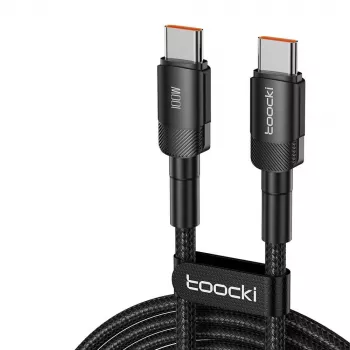
If you want fast charging for laptops, portable monitors, docks, or high-wattage power banks, you may need a cable rated for higher current. For charging above 60W—such as 87W, 96W, or 100W—look for a USB-C to USB-C cable that explicitly supports 5A. These typically include an e-marker chip that tells the charger and device the cable can safely carry the higher current. Without that, many systems will cap power, even if the charger and device both support higher wattage.
Confirm the cable’s listed PD wattage (or 3A vs. 5A rating), the connector type you need (USB-C to USB-C for PD fast charging), and the length (longer cables can sometimes reduce performance if poorly made). If you also care about data/video, verify the USB speed or display support separately—charging capability alone doesn’t guarantee high data rates.
For a practical breakdown of 100W USB-C cables, PD 3.0, 5A e-markers, and how it all fits together, see the full guide here: https://mrsmattie.com/blog/guide-100w-usb-c-to-usb-c-cable-pd-3-0-qc-4-0-5a-explained/.
It can charge, but it will usually cap the charging speed and may not keep up under heavy use. For full-speed charging on a 100W setup, use a 5A e-marked USB-C to USB-C cable rated for 100W.






Leave a comment