Emotional strength isn’t something you either have or don’t have—it’s something you practice. Small, repeatable habits can make hard days more manageable and good days steadier. A daily resilience routine creates space for feelings, clarifies what you need, and helps you choose responses with intention rather than reacting on autopilot.
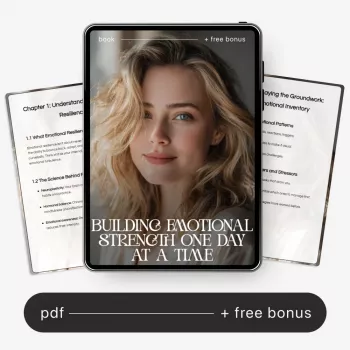
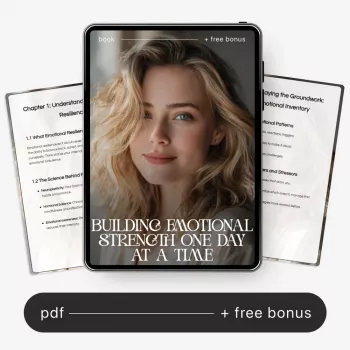
If you like structure, a guided tool can help keep the practice gentle and consistent. Building Emotional Strength One Day at a Time | Digital Ebook + planner for emotional resilience | Daily Resilience Planner, Emotional Wellness Guide, Self-Growth Journal is designed to support quick check-ins, reflection, and pattern tracking without pressure or perfection.
Emotional strength often looks ordinary on the outside. It’s less about “never struggling” and more about staying present with what’s real while choosing what helps.
Over time, resilience becomes a practical skill set: noticing sooner, calming faster, and repairing more effectively when things go sideways.
When resilience feels low, it’s usually a capacity issue—not a moral one. Many factors can load the nervous system until even small stressors feel huge.
If you’re under sustained stress, consider starting with the basics: sleep, hydration, nutrition, movement, and connection. The American Psychological Association’s overview of resilience also emphasizes that resilience is learnable and strengthened through supportive relationships and coping strategies.
A simple “loop” works because it meets you where you are—morning, midday, and evening—without requiring long journaling sessions. The goal is not perfect emotional control; it’s building skill and self-trust through repetition.
| Moment | Prompt | Example response |
|---|---|---|
| Morning | What matters most today? | Protect energy and finish one key task |
| Morning | What do I need to feel supported? | A quiet start and a short walk |
| Midday | What am I feeling right now (one word)? | Overwhelmed |
| Midday | What is one helpful next step? | Drink water, stand up, send one email |
| Evening | What was hard, and what helped? | Hard: conflict; Helped: breathing + boundary |
| Evening | What can wait until tomorrow? | Non-urgent chores and extra messages |
These practices are intentionally small. Pick one or two and repeat them until they feel familiar—familiarity is what makes a skill usable during stress.
For trauma-related stress responses, gentle pacing matters. The National Institute of Mental Health guidance on coping with traumatic events includes grounding ideas and reminders to seek support when symptoms intensify.
If your environment is part of your stress load, pairing emotional tools with practical routines can help. Clean Faster, Stay Calm – A Stress-Free Speed Cleaning Guide for Busy Homes | Learn how to clean faster without stress supports quick, realistic resets that can reduce background tension when life feels cluttered.
For a comfort ritual that signals “we’re safe now,” a simple treat can be a stabilizing anchor. Cozy Pumpkin Spice Latte | Fall-Inspired Recipe Guide | Digital Download for Homemade Pumpkin Spice Latte Lovers can be used as a planned wind-down routine alongside your evening reflection.
Keep the bar kind: even two minutes a day is a real practice. The CDC’s stress coping resources reinforce that small coping steps—repeated—can protect mental health over time.
For a ready-to-use structure that keeps your routine simple, revisit Building Emotional Strength One Day at a Time | Digital Ebook + planner for emotional resilience | Daily Resilience Planner, Emotional Wellness Guide, Self-Growth Journal and start with the smallest daily check-in you can realistically keep.
Use small daily practices: label emotions, regulate the body (breathing or grounding), challenge unhelpful thoughts, set one boundary, and reflect briefly each evening. Track patterns over a week and repeat what helps most.
Common causes include chronic stress, poor sleep, burnout, trauma or grief, isolation, harsh self-talk, and health factors. Lower resilience often reflects an overloaded nervous system rather than personal weakness.






Leave a comment