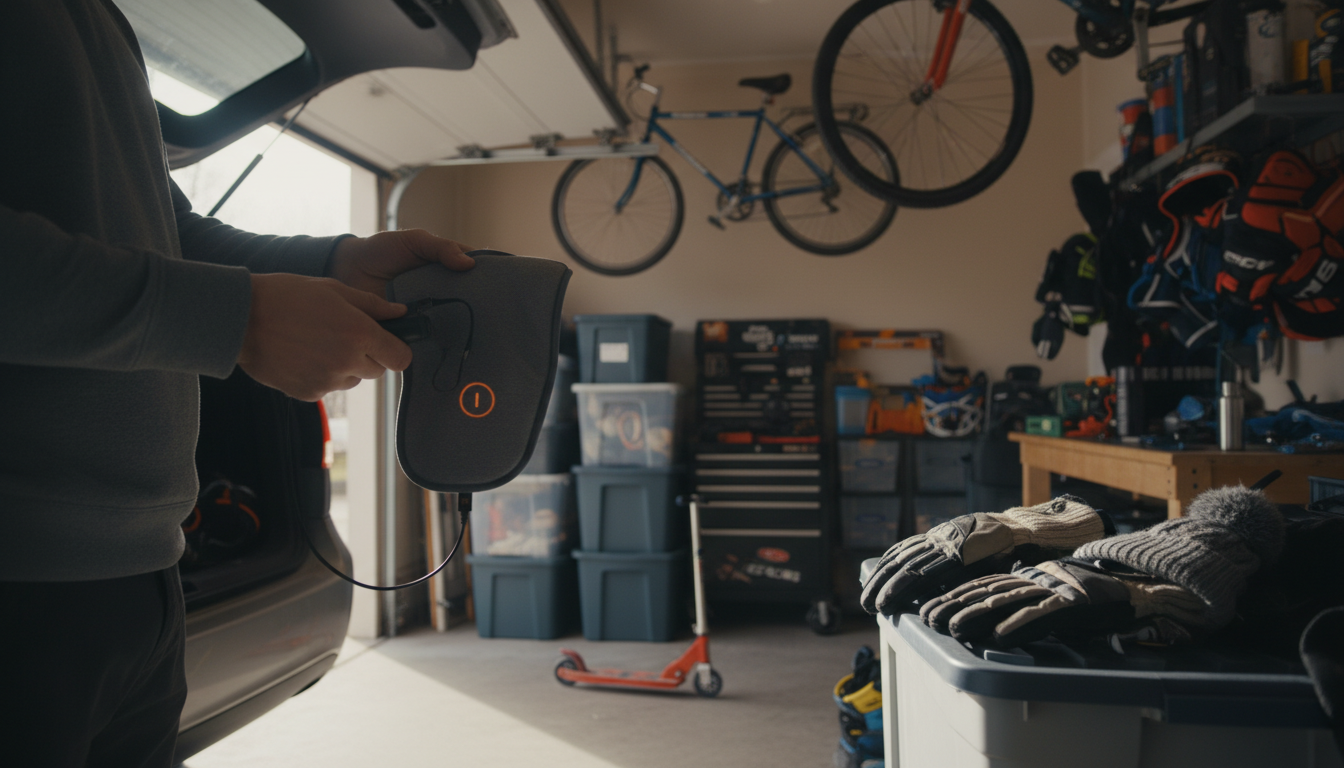
Heated neck warmers are generally safe for most adults when used as directed, but safety depends on heat level, duration, skin sensitivity, and any medical conditions. The main risks are low-temperature burns from prolonged contact, skin irritation, and overheating—especially if the warmer is worn too tightly, used on the highest setting for too long, or used while sleeping.
For safer use, start on the lowest heat setting and increase only if needed. Limit sessions to the manufacturer’s recommended time (many people do well with 10–20 minutes), and take advantage of auto shut-off timers when available. Keep the warmer snug but not restrictive, and check your skin periodically for redness, numbness, or a “too hot” sensation that fades (a sign you may be overheating without noticing it).
Extra caution is important if you have reduced sensation (neuropathy), circulation problems, diabetes, or a history of heat sensitivity. People with implanted medical devices (such as pacemakers), those who are pregnant, or anyone managing a neck injury should ask a clinician before using heated or vibrating neck products. Avoid placing heat over broken skin, fresh bruises, or areas with active inflammation unless a healthcare professional advises otherwise.
Use the device on clean, dry skin and keep it away from water. Inspect cords, connectors, and fabric for damage before each use; discontinue use if you notice fraying, exposed wiring, odd smells, or inconsistent heating. If your neck pain is severe, radiates down the arm, is accompanied by weakness, fever, dizziness, or follows a fall or accident, seek medical care rather than relying on heat.
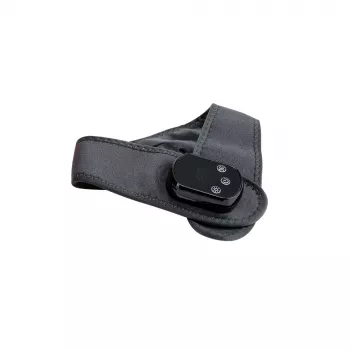
For a deeper look at heat settings, comfort tips, and feature considerations, see the main guide here: Heated Neck Massage Belt Guide.
It’s safer not to. Sleeping reduces your ability to notice overheating, which can increase the risk of burns; if you might doze off, use a short timer and low heat or remove the warmer before lying down.




Leave a comment