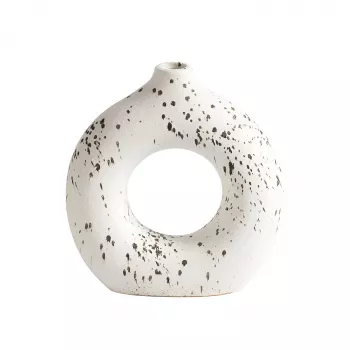
Start with the basics: true antiques are generally 100+ years old, and most authentic pieces show age in ways that are difficult to fake consistently. To evaluate a vase, look at construction, materials, marks, and wear patterns—then compare what you see to known examples from the same region and period.
Turn the vase over and inspect the underside. Older ceramics often have irregular bases, kiln spur marks, or signs of hand-finishing. Maker’s marks can help, but they can also mislead—some were added later or copied. Look for marks that appear naturally aged (not sharp, bright, or sitting on top of a newer-looking glaze) and research them alongside the vase’s style.
Antique vases frequently show subtle asymmetry, tool marks, or variations in thickness. Hand-painted decoration may show brushstroke variation and minor inconsistencies rather than perfectly repeated motifs. Mold seams, if present, may be softer and less precise on older production compared with modern factory work.
Age-related surface changes can be telling. Fine crackling (crazing) in glaze may occur naturally over decades, especially on older ceramics. However, artificial crazing exists, so assess whether it looks integrated and uneven rather than uniform. Check whether the glaze pools slightly in crevices and transitions naturally at edges—common in older glazing methods.
Authentic age tends to appear in high-contact areas: the base rim (shelf wear), handles, and raised decorative points. Wear should look gradual and consistent with use, not randomly sanded. Be cautious if the vase looks “distressed” only in easy-to-reach spots.
If the vase appears valuable, get a qualified appraiser or reputable antique dealer to examine it in person. They can assess material composition, dating cues, and provenance. For a modern styling perspective and care tips once you’ve identified your piece, see this guide to styling and caring for ceramic vases.
Use lukewarm water, a mild soap, and a soft cloth, avoiding abrasive pads and harsh chemicals. If there’s flaking paint, unstable glaze, or heavy staining, skip soaking and consult a conservator for safer options.





Leave a comment