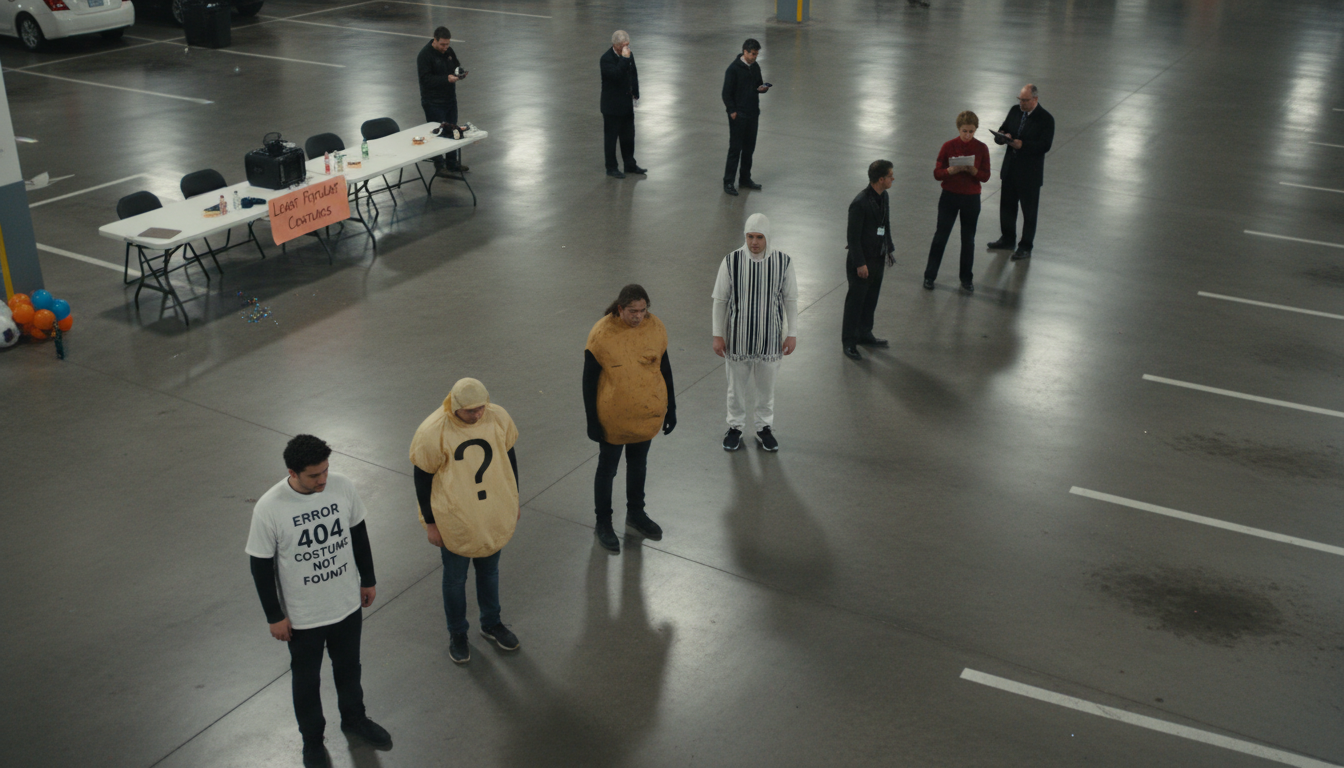
There isn’t one single “least popular costume” every year, because popularity changes by region, age group, school rules, weather, and what’s trending in movies, TV, and memes. In practice, the least popular costumes tend to be the ones that are hardest to recognize, uncomfortable to wear, or too complicated to pull together at the last minute.
Overly niche references: If only a handful of people understand the character or joke, the costume doesn’t get reused and rarely shows up in big numbers. What’s clever to a small group can look like a random outfit to everyone else.
High-effort, low-payoff looks: Costumes that require special makeup skills, elaborate props, or hours of assembly often lose out to simpler options—especially for kids and busy adults.
Uncomfortable or impractical outfits: Anything that limits walking, sitting, eating, or using the restroom tends to get skipped. Heavy masks, poor visibility, and costumes that overheat indoors commonly fall into this category.
Too “plain” to read as a costume: If it resembles everyday clothing (like a generic “tourist” or “business person”) without strong accessories, it can feel underwhelming compared to bolder choices.
If the goal is to avoid matching anyone else, check local event photos from last year, scan costume aisles close to Halloween (what’s left is often less in demand), and look at what friends or classmates are planning. You can also pick a classic costume base and customize it with a unique color palette or signature prop to make it unmistakably yours without becoming unrecognizable.
The easiest way to turn an overlooked idea into a hit is to add clear identifiers: a name tag, a signature accessory, or a simple one-line explanation that fits the character. For stress-free planning (especially if you’re coordinating multiple pieces), use a checklist so nothing gets forgotten. A handy place to start is this guide: Printable Halloween Costume Checklist (Scary & Stunning).
Add one standout element (a bold headpiece, prop, or makeup detail) and keep everything else cohesive—matching colors and intentional accessories make even basic outfits read as “complete.”





Leave a comment