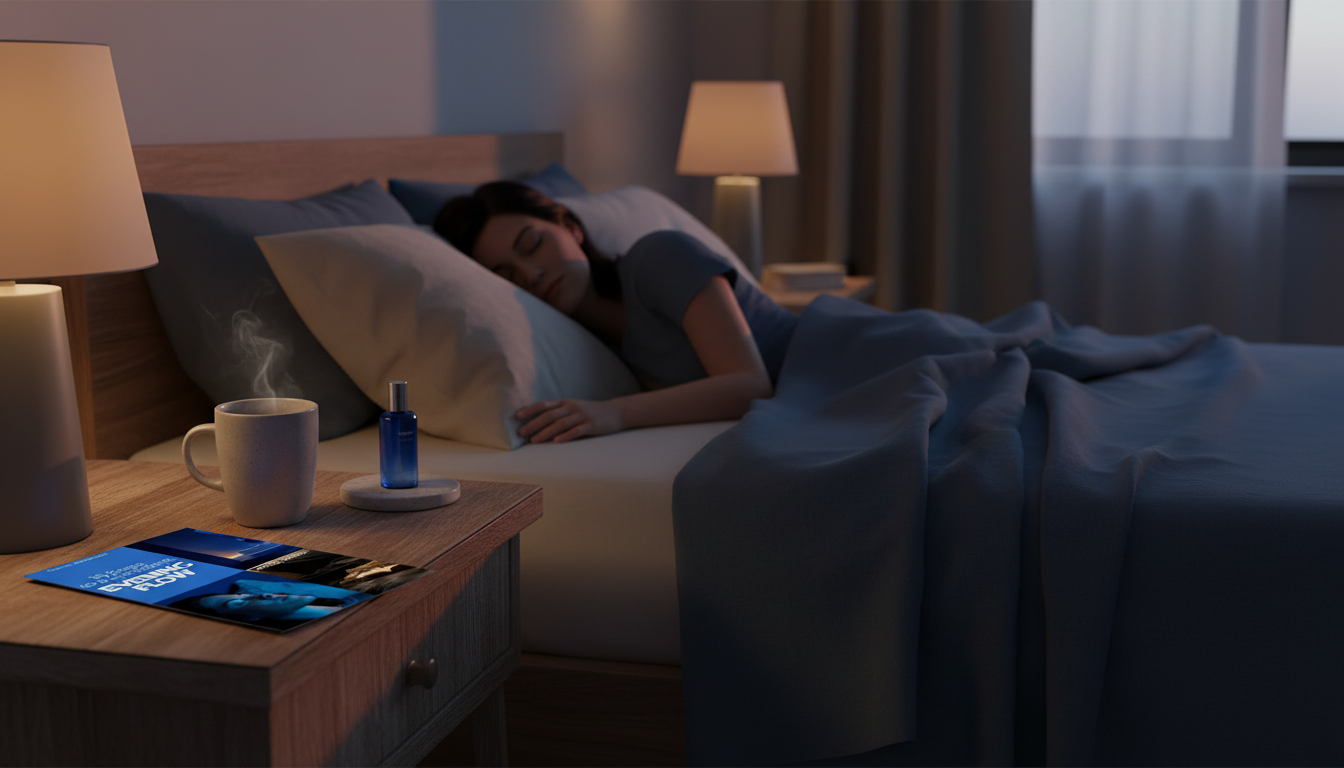
A reliable night routine works best when it feels easy to repeat—same order, same cues, and just enough structure to calm the mind and prepare the body for sleep. Use the steps below as a flexible framework, then personalize timing and intensity so it stays realistic on both busy and slow evenings. For more guidance, see How to Build a Sleep Routine That Actually Works | GW Cancer Center.
An evening flow is a simple sequence of actions that lowers stimulation and reduces decision fatigue. The goal is predictability: similar steps in a similar order most nights. Consistency beats complexity; a short routine done regularly tends to outperform an elaborate one done occasionally. Design around your real life—work schedules, kids, pets, and energy levels—so the routine supports you instead of turning into another task list. For further reading, see How to build an evening routine: 7 tips for calmer nights — Calm Blog.
If you like having something you can print and follow without thinking, the 10 Steps to a Consistent Evening Flow – Night Routine Consistency Tips Checklist for Better Sleep can help keep the order steady while you tweak timing.
Choose a realistic sleep window based on your wake time, then back up 45–90 minutes for when your wind-down starts. Set one reminder for “start wind-down” and another for “wrap up and get in bed.” If your schedule varies, keep wake time as steady as possible and adjust the routine length (not the order). The brain relaxes faster when it recognizes the same sequence, even if it’s shorter.
Spend 5–10 minutes clearing obvious clutter so the bedroom feels calmer. Prep tomorrow’s essentials (keys, bag, water bottle) to prevent late-night scrambling. Keep the reset small: one surface, one load, one bag—then stop. If you tend to spiral into “might as well clean everything,” a simple rule helps: reset only what you’ll notice first thing in the morning.
For a faster, calmer approach to nightly tidying, Clean Faster, Stay Calm – A Stress-Free Speed Cleaning Guide for Busy Homes pairs well with this step—especially on busy evenings.
Aim to finish heavier meals a few hours before bed; if you need a late snack, keep it light. Reduce caffeine later in the day; if a warm drink is part of your ritual, choose caffeine-free options. Create a “kitchen closed” cue: wipe counters, start the dishwasher, and turn off bright overhead lights so your environment signals “we’re done for the day.”
| Choice | Why it can help | Simple swap |
|---|---|---|
| Bright overhead lighting | Signals alertness and can delay sleepiness | Warm lamp or dimmer lighting |
| Scrolling in bed | Adds mental stimulation and can delay bedtime | Read paper book or audio-only content |
| Late heavy meal | May cause discomfort and fragmented sleep | Light snack (if hungry) + water |
| Random chores at 10 p.m. | Triggers “task mode” and decision fatigue | 5–10 minute reset earlier + stop point |
Pick a consistent signal that tells your body it’s time to slow down: a warm shower, face wash, gentle stretching, or a short walk. Keep it brief and repeatable—the repetition is what builds the cue-response link. If intense workouts right before bed make it harder to fall asleep, move them earlier and let your evening cue be something that lowers your internal “volume.”
Choose a specific time to silence notifications or switch to Do Not Disturb. Charge the phone outside the bedroom when possible; if not, place it across the room so it’s not a reflex grab. Replace “one last check” with a fixed alternative: a playlist, a short journal entry, or light reading. The boundary works best when it’s not vague—make it a clear rule you can follow even when tired.
Write down tomorrow’s top 1–3 priorities to stop mentally rehearsing them in bed. Capture loose thoughts in a quick “brain dump” list; decide later, not at bedtime. If worry spikes, add one next action beside the worry—even tiny steps reduce rumination because your brain stops treating the problem as “unresolved.”
For additional guidance on healthy sleep habits, see NHLBI (NIH) — Healthy Sleep Habits and American Academy of Sleep Medicine — Sleep Education.
Measure what matters: start time, lights-out time, and 2–3 core habits. Aim for “most nights,” not perfection; consistency is built through repetition, not intensity. Review weekly: keep what works, remove what creates friction, and adjust timing by 10–15 minutes at a time. If you want a ready-to-use printable structure, the Evening Flow checklist can make tracking feel quick and low-pressure.
| Core step | Done | Notes (optional) |
|---|---|---|
| Start wind-down at planned time | ☐ | |
| Kitchen closed / caffeine-free | ☐ | |
| 3-minute mind closeout | ☐ | |
| Bedroom set (dark/cool/quiet) | ☐ | |
| Last 10 minutes script | ☐ |
A practical version is three 10-minute blocks that guide your wind-down: 10 minutes to reset the space, 10 minutes for a body cue (shower, stretch, skincare), and 10 minutes to quiet the mind (journal, breathing, light reading). Variations exist, so adjust the activities while keeping the three-part structure—shorten to 5-5-5 on hectic nights or extend each block if you need more time to downshift.






Leave a comment