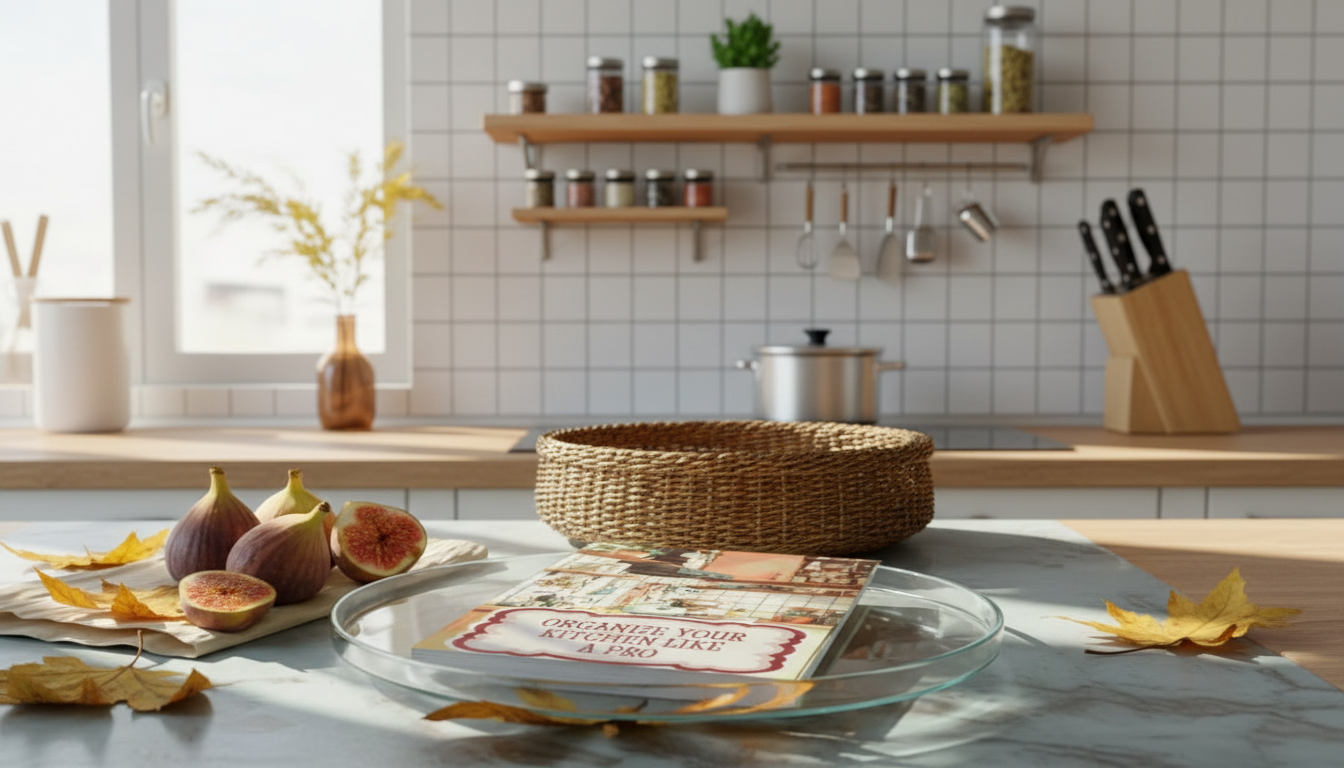
A well-organized kitchen saves time, reduces food waste, and makes everyday cooking feel easier. The most reliable approach is a repeatable system: declutter first, set up zones based on how the kitchen is actually used, and maintain it with quick weekly resets—plus a few AI-assisted check-ins to keep habits consistent when life gets busy.
Before you add bins or organizers, do one fast reset so you’re not “organizing clutter.” The goal is momentum, not perfection.
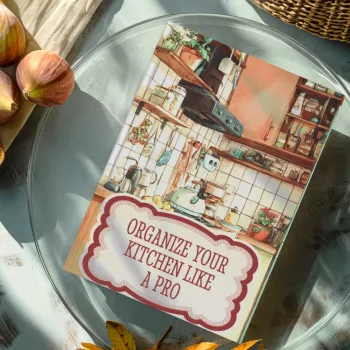
If you want a step-by-step plan you can keep open on your phone while you work, use Organize Your Kitchen Like a Pro | Digital Guide to Kitchen Storage Solutions, Clever Organizing Strategies, and AI-Powered Tips.
The fastest way to stop clutter from creeping back is to store items where you naturally reach for them. Think “task-based neighborhoods,” not picture-perfect cabinets.
A good rule: if a zone requires crossing the kitchen repeatedly, it’s not a zone—it’s friction. Move the “home” closer to the action.
Buy solutions only after you know your zones and categories. The best organizers are the ones that make the “right” choice the easiest choice.
| Problem | Fast fix | Best placement | Maintenance tip |
|---|---|---|---|
| Lids avalanche when opening a cabinet | Lid rack or vertical file sorter | Near containers, at waist height | Keep only matching sets; recycle orphan lids monthly |
| Spices disappear in the back | Tiered spice riser or labeled drawer inserts | Next to prep area | Date labels; discard old spices twice a year |
| Pantry becomes a “misc” shelf | Category bins with front labels | Eye level for daily items | One-in/one-out for snacks and cereals |
| Water bottles topple over | Bottle organizer or bin by size | Lower cabinet or dedicated shelf | Limit to a set number per person |
| Cutting boards and baking sheets stack messily | Vertical divider or rack | Cabinet near oven/prep | Store by frequency; daily boards in front |
If you’ve ever organized a cabinet only to find it messy again two weeks later, it’s usually a missing “maintenance loop.” The 5S framework is a simple way to build one (overview: 5S workplace organization method).
AI tools work best as a “consistency assistant,” not a complicated project manager. Use them to reduce decision fatigue and keep resets predictable.
To reduce food waste while you’re refining your system, use the USDA FoodKeeper App for storage timelines and leftover guidance.
If you’re trying to keep the whole house on a quicker routine at the same time, pair kitchen resets with Clean Faster, Stay Calm – A Stress-Free Speed Cleaning Guide for Busy Homes | Learn how to clean faster without stress for short cleaning sprints that fit real schedules.
5S stands for Sort, Set in order, Shine, Standardize, and Sustain. In a kitchen, that means removing extras, assigning clear homes by zone (like spices near prep and containers near the fridge), cleaning as you go, using consistent bins/labels, and maintaining it with a quick daily reset plus a short weekly check.





Leave a comment