
No. Qualcomm Quick Charge (QC) and USB Power Delivery (PD) are two different fast-charging standards. They can sometimes feel similar in day-to-day use—both negotiate higher power than basic USB charging—but they’re built on different specs, use different negotiation methods, and have different compatibility rules.
QC is a fast-charging technology created by Qualcomm and commonly found on many Android phones and certain chargers. QC works by having the charger and device “agree” on charging parameters (like voltage) to deliver more power than standard USB. QC versions (such as QC 3.0 or QC 4/4+) vary in performance and features, and support depends on the device’s charging hardware.
USB PD is an industry-standard protocol defined for USB-C power. It’s widely used across phones, tablets, laptops, power banks, and hubs. PD focuses on a universal negotiation system over USB-C, enabling everything from modest phone charging to higher-wattage laptop charging when both the charger and device support the same PD power profiles.
Many modern USB-C chargers advertise both PD and QC, and some devices can accept fast charging from either one. If you plug in and see “fast charging,” it’s easy to assume the standards are the same—but the device will typically choose the protocol it supports best (and not every combination yields the same speed).
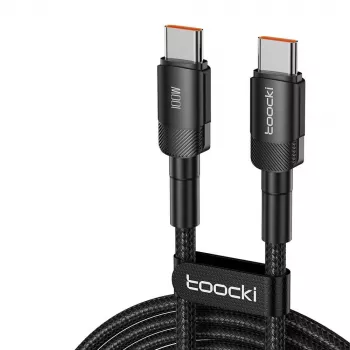
For broad compatibility—especially with USB-C laptops, iPads, and many newer phones—PD is usually the safer bet. QC can be valuable if your phone specifically supports it and you want a charger optimized for that ecosystem. For a deeper breakdown of PD 3.0, QC 4.0, cables, and 5A details, see the main guide: https://mrsmattie.com/blog/guide-100w-usb-c-to-usb-c-cable-pd-3-0-qc-4-0-5a-explained/.
No. USB-C is a connector type; fast charging depends on the charger, cable, and device supporting a fast-charging standard (like USB PD or QC) and agreeing on the right power level.






Leave a comment