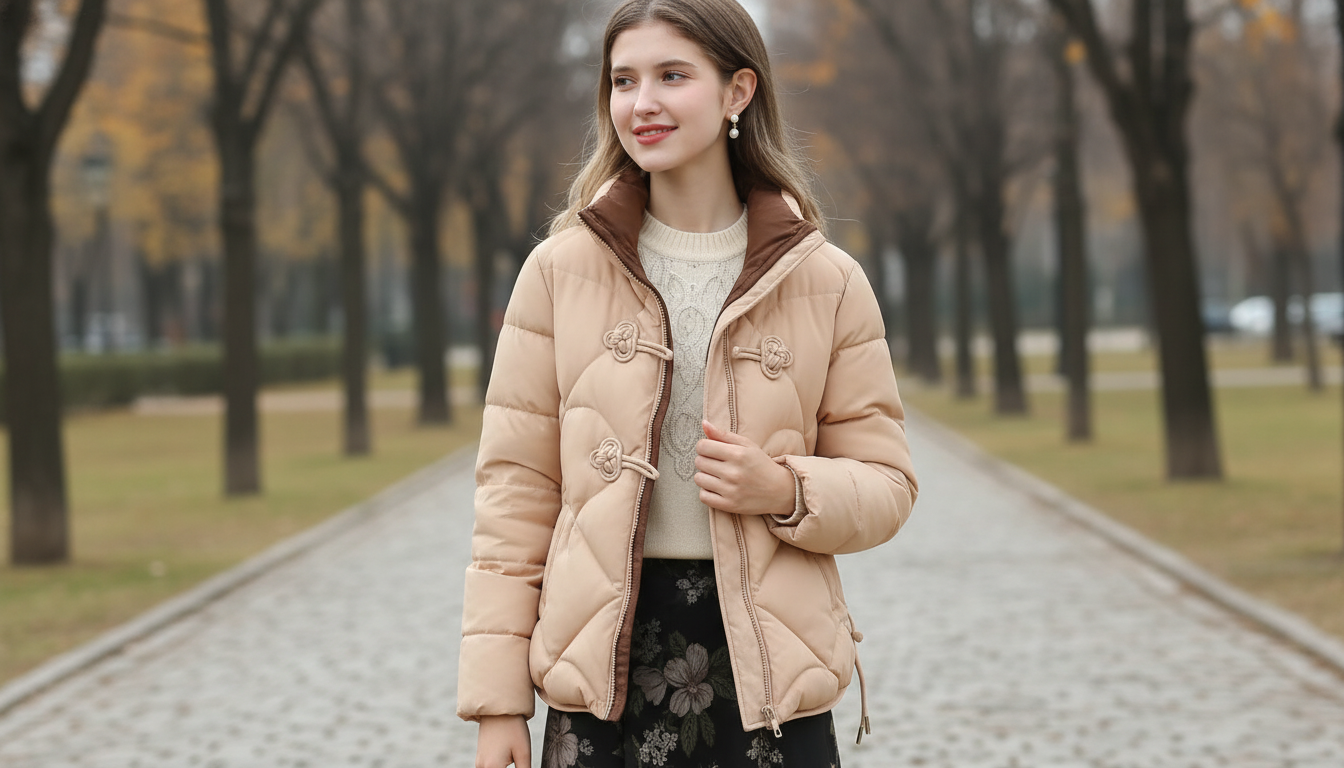
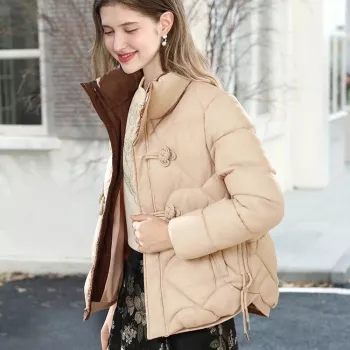
A winter parka that combines a cozy turtleneck collar with a practical zipper closure can simplify cold-weather dressing: fewer gaps for drafts, quicker on-and-off, and a streamlined look. This apricot option brings a soft, warm-toned color that pairs easily with winter neutrals while keeping comfort front and center.
What Makes a Turtleneck Parka Feel Warmer
A parka’s warmth isn’t only about insulation—where it seals and how it fits matters just as much. The turtleneck-style collar is a simple detail that can make a noticeable difference in day-to-day comfort.
- Extra neck coverage: A turtleneck collar wraps higher around the neck, which can reduce the need for a bulky scarf on milder cold days.
- Less heat loss in wind: The neck is a common “cold spot,” and a higher collar helps limit drafts when you step outside or wait at a bus stop.
- More comfortable for long stretches outdoors: If you commute, walk the dog, or stand outside for longer periods, a snug (not tight) collar helps you feel protected without constant readjusting.
- Apricot is a winter-friendly color: It reads soft and seasonal while still standing out from standard black or navy—easy with cream, camel, gray, and denim.
For cold safety basics—especially during longer exposure—review guidance on recognizing and preventing cold-related risks from the CDC (Cold Stress).
Zipper Closure Benefits for Daily Wear
A front zipper is one of those features that seems small until you’re using it every day. When temperatures change between outdoor errands and heated indoor spaces, quick adjustments can keep you comfortable.
- Fast temperature control: Unzip slightly indoors, on public transit, or while driving—without fully removing your coat.
- Simpler layering: A zipper makes it easier to fit over thicker sweaters or mid-layers because you can close it gradually and smooth fabric as you go.
- Cleaner front profile: Compared with multi-button closures, a zipper often sits flatter—especially if you like wearing your parka open.
- More secure in gusty conditions: Fully zipped to the collar, it creates a continuous barrier that helps reduce wind infiltration.
If you’ve ever underestimated wind, it helps to glance at the NOAA Wind Chill Chart to see how quickly “feels like” temperatures can drop.
Fit and Comfort: How It Should Feel On
The right fit balances mobility and warmth. Too tight, and you compress insulating space; too loose, and cold air circulates. When trying on a winter parka, test it the way you’ll actually wear it.
- Neck: The turtleneck should sit comfortably without pressing your throat. Zip all the way up and turn your head left and right to check for pinching.
- Shoulders: Seams should land close to the edge of your shoulders. If they pull back when you reach forward, you’ll feel restricted while driving or carrying bags.
- Arms: Leave room for a sweater. Sleeves should cover your wrists without riding up when you bend your elbows.
- Body: Aim for enough space to trap warm air and layer underneath, but not so much that the coat feels bulky and drafty at the waist.
Material and Warmth Factors to Look For
Two coats can look similar but perform very differently outdoors. When comparing parkas, focus on the parts that control heat retention and weather resistance.
- Insulation level: Thicker fill generally means more warmth. Lighter insulation can work well for milder climates or for people who run warm and stay active.
- Outer shell: Tighter weaves and weather-resistant finishes help block wind and handle light precipitation during commutes and errands.
- Lining: Smooth linings make it easier to layer over knits and hoodies without grabbing or bunching.
- Collar construction: A structured collar tends to stand up better, keeping coverage consistent and sealing warmth more effectively around the neck.
Quick Care and Longevity Tips
Keeping a parka in great shape is mostly about small habits that protect the structure and insulation over time.
- Close the zipper before storing: This helps the coat keep its shape and reduces stress on the zipper tape.
- Use a sturdy hanger: A supportive hanger prevents shoulder dents and sagging, especially with heavier winter pieces.
- Spot-clean early: Treat small marks promptly to reduce the need for frequent full washes.
- Follow the care label: Washing and drying instructions matter—overdrying can reduce loft in insulated items and make them feel less warm.
At-a-Glance: Practical Features Checklist
Use this checklist to compare winter parkas by comfort, protection, and everyday convenience.
| Feature |
Why it matters |
What to check |
| Turtleneck collar |
Adds warmth and blocks wind at the neck |
Comfort when zipped up; collar holds shape |
| Front zipper |
Easy on/off and fast temperature control |
Zips smoothly; sits flat when closed |
| Room for layering |
Warmth depends on trapped air and layers |
Try with a sweater; no pulling at shoulders |
| Wind protection |
Wind strips warmth quickly |
Outer feels substantial; collar seals well |
| Cold-weather coverage |
Helps retain body heat |
Hem length and overall fit feel protective |
Styling Ideas for an Apricot Winter Parka
Featured Picks (In Stock)
FAQ
Are turtlenecks good for winter?
Yes—extra neck coverage helps reduce drafts and heat loss, which can make you feel warmer outdoors. In very cold or windy conditions, adding a scarf over a turtleneck-style collar can increase protection even more.
Recommended for you




Leave a comment