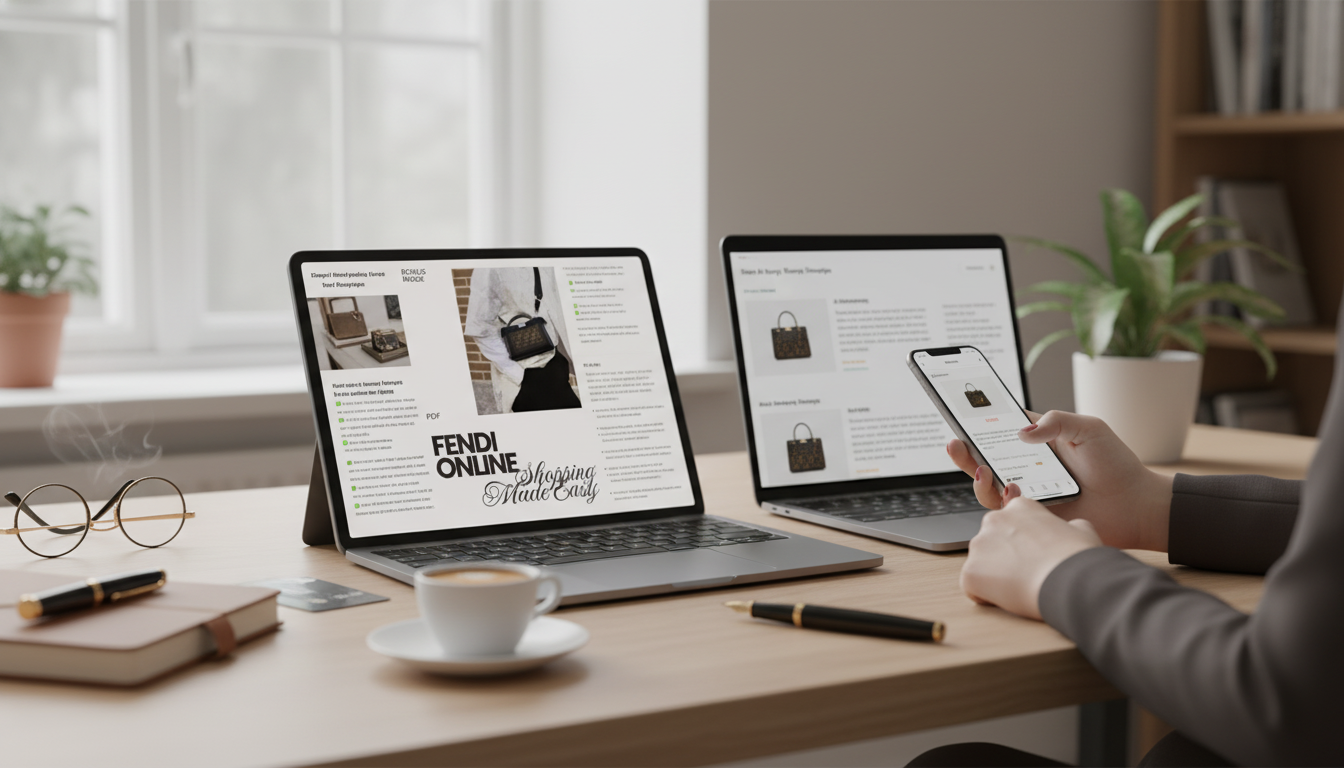
Shopping for Fendi online can feel high-stakes: prices move fast, product photos vary, and counterfeits are increasingly sophisticated. A confident purchase comes down to a repeatable process—pick the right buying channel, screen listings efficiently with AI-assisted workflows, confirm authenticity signals that actually matter, and protect yourself with smart payment, shipping, and return habits.
Before comparing logos and hardware, choose a channel that matches your risk tolerance and your goal (brand-new vs. discontinued). As a baseline: official retail offers the most certainty, authorized retailers can expand selection, curated resale helps with sold-out items, and peer-to-peer is where the biggest bargains—and the biggest risks—live.
Whatever the channel, confirm the seller’s identity and policies before getting attached to the item. Look for a legal business name, working customer service contact, a clearly stated return window, and (for resale) a documented authentication process. Then prioritize listings with documentation: original receipt or order confirmation, provenance details (where and when it was purchased), and clear photos of labels, hardware, and any ID/serial areas that exist on that item.
| Channel | Best for | Typical trade-off | Must-check before buying |
|---|---|---|---|
| Fendi official site | New releases, seasonal collections, gifting | Less discounting | Return rules, shipping regions, packaging expectations |
| Authorized luxury retailers | Selection variety, occasional promotions | Inventory changes quickly | Authorized status, final-sale exclusions, condition notes |
| Curated resale platforms | Sold-out items, vintage, better pricing | Condition variability | Authentication steps, grading scale, photos of wear |
| Peer-to-peer marketplaces | Lowest price potential | Highest counterfeit risk | Seller history, independent authentication, escrow/payment protection |
AI tools are most useful for saving time and reducing human error—especially when multiple listings look similar. The goal isn’t to “let AI decide,” but to use it to surface what needs your attention.
Online authentication is about consistency: the item’s construction, materials, and branding should align with that model, season, and factory-level finishing. Packaging can help, but it’s not proof on its own.
Luxury “deals” are easiest to judge when everything is converted into total cost. Add up item price, taxes, shipping, duties (if cross-border), third-party authentication fees, and potential cleaning/repair—plus return shipping if returns are allowed.
For additional consumer guidance on safer online transactions, review the Federal Trade Commission’s recommendations here: FTC: Shopping Online.
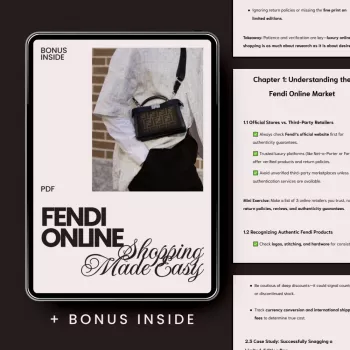
A structured checklist is especially helpful when you’re comparing multiple listings under time pressure. For a streamlined workflow that combines channel selection, AI-assisted screening, authenticity checks, and buyer-protection steps, see: Fendi Online Shopping Made Easy – The Ultimate Guide with Fendi Shopping Tips for Online Buyers, AI Tools, Authenticity Checks & Smart Luxury Buying Strategies.
If you’re also planning outfits around luxury accessories, this style resource can help with clean, modern pairing ideas: Modern Minimal Outfits with New Balance Guide – Effortless Style & Clean Streetwear Looks.
For official product references and brand details, consult FENDI’s official website and the parent group overview at LVMH when cross-checking collection information.
Yes—Fendi can be purchased through the official brand site and select luxury retailers, and pre-owned pieces are available through reputable resale channels. Always confirm return policies, shipping region limits, and authentication practices when buying pre-owned.
They’re both top-tier luxury brands with different heritage, design focus, and pricing depending on the category. A better approach is choosing based on craftsmanship details, styling preferences, and how you plan to use the piece.





Leave a comment