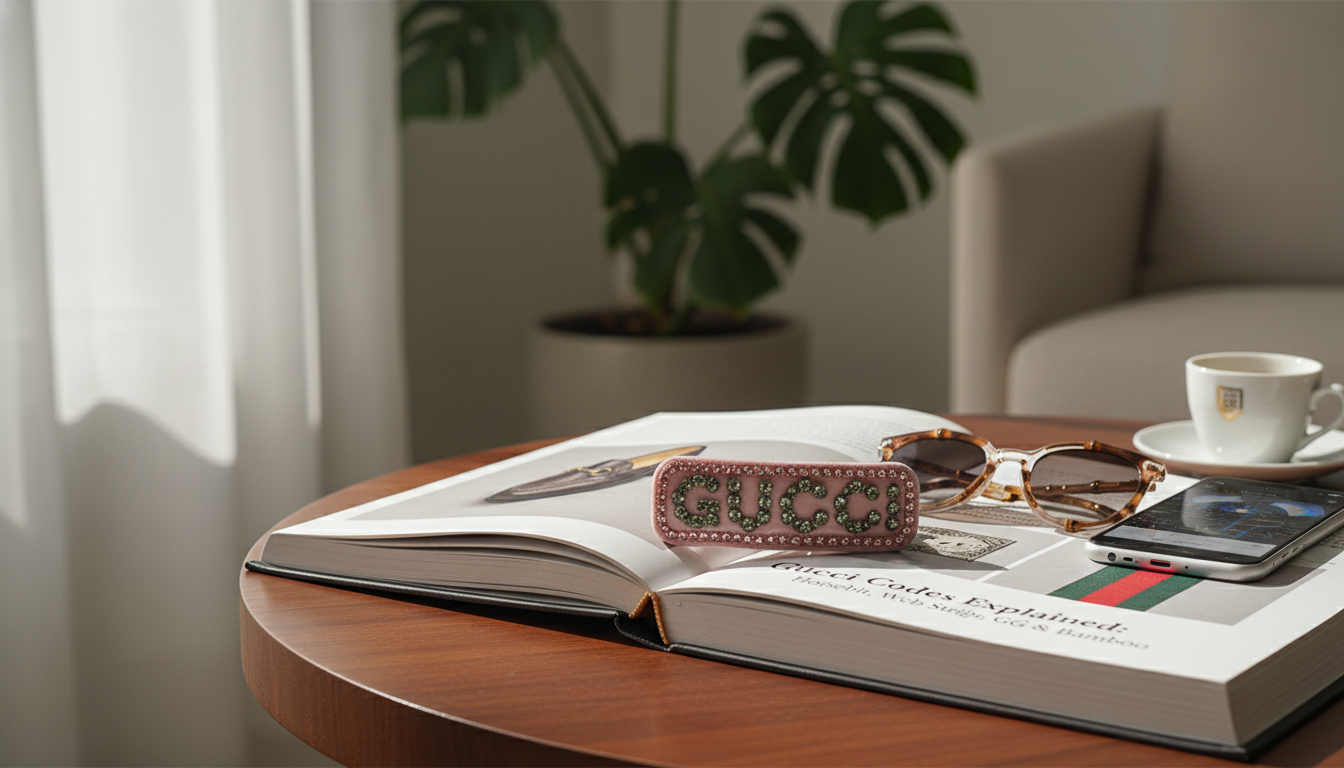
Gucci’s appeal comes from a recognizable set of codes—horsebit hardware, green-red-green webbing, GG monogram, and a fearless mix of heritage and reinvention. When those signatures show up on a loafer, a shoulder bag, or a simple strap, they read like a visual language: part history lesson, part fashion statement. Below is a practical guide to where Gucci’s most recognizable elements came from, how the house’s aesthetic keeps evolving, and how to use those codes as real-world style tools. For more guidance, see Gucci – Wikipedia.
At its core, Gucci represents Italian craftsmanship built on utility—leatherwork designed for travel and riding—then elevated into modern luxury symbolism. The tension that keeps Gucci culturally visible is its ability to honor tradition (signature motifs, artisanal construction, refined materials) while embracing disruption (unexpected references, bold color, playful maximalism). For further reading, see The Timeless Allure of Gucci – The Americana at Brand.
That push-pull is why “Gucci-ness” is easy to spot even when the silhouette is simple: look for iconic hardware motifs, the web stripe, deliberate monogram placement, and styling that feels a little theatrical rather than purely minimalist.
Gucci’s beginnings are rooted in Florence and in the practical world of travel goods. Guccio Gucci’s early inspiration is often tied to the luggage culture of well-dressed travelers—pieces made to move, endure, and still look polished. Those foundations matter because Gucci’s most enduring signatures come from functional needs: sturdy leathers, smart closures, and equestrian references adapted into luxury cues.
Even now, many modern Gucci pieces still echo the origin story through travel-ready shapes, archival-style hardware, and riding-inspired details used as design shorthand. For a brand that changes constantly, these foundations act like a stabilizing anchor.
Gucci’s signatures aren’t just decoration; they communicate a “lane.” A horsebit detail tends to read classic and heritage-leaning. The web stripe signals sporty tradition and instant recognition. GG monogram leans into statement branding. Bamboo feels craft-forward and a little vintage-coded.
One caution for shoppers: signatures vary by era and collection, and details alone aren’t proof of authenticity. Provenance, construction quality, and trustworthy sourcing matter more than any single motif.
| Signature | Origins | What It Communicates | Where It Commonly Appears |
|---|---|---|---|
| Horsebit | Equestrian tack reference | Heritage, polish, timeless luxury | Loafers, shoulder bags, hardware closures |
| Web stripe | Sport/travel heritage | Instant brand recognition, sporty classic | Straps, trim, sneakers, knitwear |
| GG monogram | House insignia | Statement branding, fashion-forward visibility | Canvas bags, belts, small leather goods |
| Bamboo | Material innovation and craft | Vintage energy, artisanal detail | Top-handle bags, clasp accents |
Gucci icons aren’t “frozen” designs; they’re repeatable ideas that get re-proportioned, re-colored, and re-styled across decades. The horsebit loafer remains a key entry point because it bridges tailored and casual wardrobes with very little effort. Monogram canvas accessories deliver high recognition and show up across multiple price tiers, which helps the motif stay visible in street style and gifting cycles. Bamboo-handle bags remain proof that a distinctive silhouette can function like a logo—instantly identifiable even when branding is subtle.
When assessing something labeled “iconic,” focus on the code (horsebit, web stripe, monogram, bamboo) and then evaluate the specific execution: materials, size, and how it sits on the body.
Gucci isn’t one consistent look; it’s a toolkit of codes that can be styled classic, romantic, retro, or maximal. Bold color, ornate detail, playful references, and accessory-first styling are recurring pillars. The key is choosing a personal “lane.”
A quick wardrobe compatibility check helps: structured icons (loafers, top-handle bags) sharpen relaxed outfits, while softer icons (canvas crossbodies, logo belts) can relax tailoring and add personality to basics.
Luxury value is built from materials, construction, and clarity of design—plus the cultural meaning people assign to recognizable codes. Gucci especially thrives in accessories because bags, belts, and shoes can carry a signature motif without requiring a full head-to-toe look.
Gucci began in Florence, grounded in Italian leather craftsmanship and travel-focused goods. Over time, equestrian and luggage-inspired details evolved into lasting design codes that still show up in modern accessories and ready-to-wear.
Gucci is code-driven: heritage signatures like the horsebit, web stripe, monogram, and bamboo are remixed into looks that can feel polished, eclectic, romantic, or maximal. Accessories often act as the focal point, supported by bold color and expressive styling.
Guccio Gucci was the founder who set the house’s early direction around quality leather goods and travel-related utility. That craft-first foundation shaped the brand’s enduring motifs and its reputation for iconic accessories.





Leave a comment