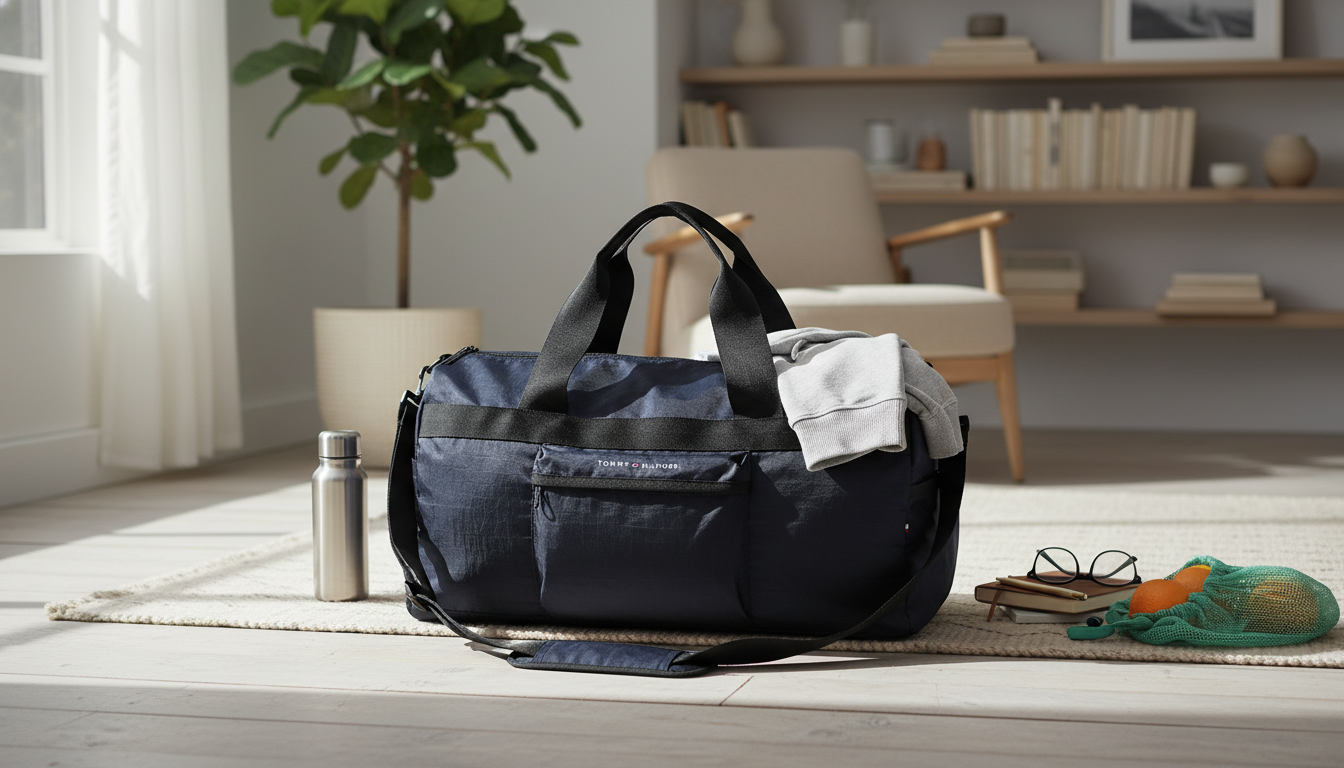
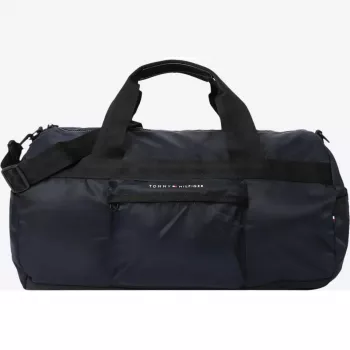
A structured tote that works for commuting, errands, and travel days should feel effortless to use and easy to style. The Tommy Hilfiger Sustainable Blue Tote Bag is designed for daily wear, pairing a practical silhouette with recognizable brand polish and materials positioned toward more responsible sourcing. For anyone who wants a reliable “grab-it-and-go” bag that still looks put-together, this blue tote fits neatly into weekday routines without feeling overly utilitarian.
| Item | Details |
|---|---|
| Product name | Tommy Hilfiger Sustainable Blue Tote Bag |
| Price | $96.12 USD |
| Availability | In stock |
| Product page | https://mrsmattie.com/tommy-hilfiger-sustainable-blue-tote-bag/ |
A tote format is popular for a reason: it keeps the day moving. Instead of digging through multiple compartments, a tote gives fast access for grab-and-go routines—phone, keys, wallet, and small essentials stay within reach while you’re juggling coffee, a commute, or a quick grocery run.
If the goal is one dependable bag that can move from weekday to weekend, a structured tote has a “ready for plans” vibe that a slouchier carryall sometimes lacks. It also tends to photograph well and looks tidy when set down—useful for everything from café work sessions to waiting-room downtime.
On accessories, “sustainable” is often used as a signal that a brand is shifting toward preferred fibers (such as recycled content or more responsibly sourced materials) and improved production practices. The most helpful product listings go beyond a label and share specifics: what the main fabric is, whether recycled polyester is used, if cotton is certified, and whether there are traceability notes.
For a deeper look at responsible marketing language, the Federal Trade Commission’s Green Guides explain how environmental claims should be communicated. Broader, industry-level context on preferred materials can also be found through Textile Exchange. And if you like to understand brand programs and circularity efforts, Tommy Hilfiger’s corporate sustainability hub is a useful starting point: corporate.tommy.com.
The easiest way to love a tote long-term is to treat it like a daily tool: carry what you need, keep it organized, and avoid turning it into a catch-all for heavy items every single day.
A simple routine helps: keep a “core kit” (lip balm, hand sanitizer, earbuds, charger) in a zip pouch, then move that pouch between bags when needed. It prevents clutter and reduces the chance of small items getting lost at the bottom of the tote.
Blue is one of the most wearable colors for accessories because it plays well with denim and most neutrals. A structured blue tote can read classic, sporty, or modern depending on what’s paired with it.
If you enjoy building outfits around clean, neutral basics, a styling resource like Modern Minimal Outfits with New Balance Guide – Effortless Style & Clean Streetwear Looks pairs nicely with a streamlined tote—especially for casual workdays, airport outfits, and weekend errands.
Yes—durability depends on construction details like stitching, handle reinforcement, and the quality of the materials. Sustainability-focused materials can still be long-lasting, especially when the bag isn’t consistently overloaded and gets occasional “rest days” in rotation.
Start with spot-cleaning using a soft cloth, mild soap, and water, and test a small hidden area first. Avoid harsh chemicals and heat drying; air-drying helps prevent warping and keeps finishes looking better longer.
Look for clear material disclosures (such as recycled content percentages or certified cotton) and transparency about standards rather than broad “eco-friendly” wording. Credible, specific details are usually a better sign of responsible sourcing than vague claims.





Leave a comment