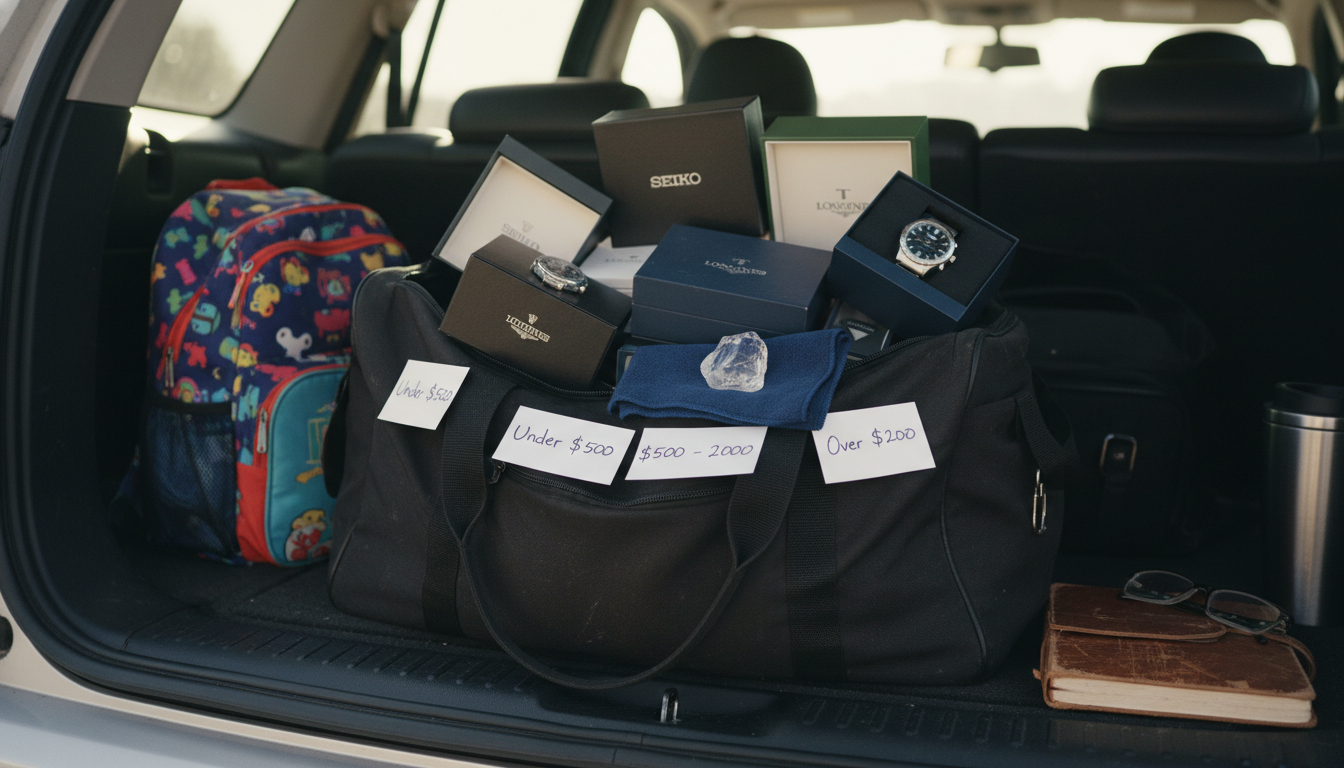
Sapphire crystal is used by a wide range of watch brands, from affordable daily-wear options to high-end luxury makers. Because synthetic sapphire is highly scratch-resistant compared with mineral glass and acrylic, it’s a popular upgrade for brands that want their watches to stay clear and sharp-looking over years of wear.
Many luxury houses use sapphire crystal as a baseline material for their modern collections. Brands such as Rolex, Omega, TAG Heuer, Breitling, Cartier, IWC, Panerai, Tudor, and Grand Seiko frequently feature sapphire on the front crystal, and often on the caseback when the movement is meant to be displayed. Some models also add anti-reflective coatings to improve legibility under bright light.
Sapphire isn’t limited to luxury watches. Brands like Tissot, Hamilton, Longines, Seiko (on select lines), Citizen (on certain models), Certina, Mido, and Orient Star commonly offer sapphire crystal on many references. In the microbrand space, sapphire is also very common—especially on enthusiast-focused watches that compete on specs and durability.
Dive and field watches frequently use sapphire because they’re built for tougher conditions. Brands such as Oris, Sinn, and various microbrands typically pair sapphire with higher water resistance and robust cases. That combination helps the watch look newer for longer, even with frequent outdoor use.
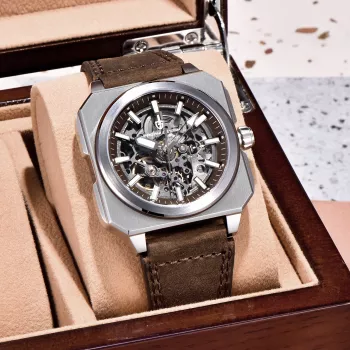
The safest approach is to check the exact model’s spec sheet. Look for wording like “sapphire crystal,” “sapphire glass,” or “sapphire.” If a listing says “hardlex,” “mineral,” or “mineral crystal,” it’s not sapphire. For a practical example of how sapphire fits into an everyday-wear design, see this guide: skeleton automatic watch with sapphire crystal and leather strap.
Yes, if scratches on the dial window bother you. Sapphire resists everyday scuffs far better than mineral glass, helping the watch stay clear and readable over time.




Leave a comment