
The most common term for balancing work and personal life is work-life balance. It describes how someone manages time, energy, and responsibilities between their job and everything outside of it—family, relationships, health, rest, and personal goals.
Work-life balance is the phrase used when work demands and personal needs are kept in a sustainable rhythm. It doesn’t require an equal 50/50 split every day; instead, it’s about making sure work doesn’t consistently crowd out essentials like sleep, caregiving, downtime, or meaningful time with the people who matter to you.
Sometimes you’ll also hear related terms like work-life integration (blending responsibilities more fluidly, such as answering a message after bedtime) or work-family balance (a more specific focus on parenting and caregiving). The right approach depends on your season of life, job flexibility, and support system.
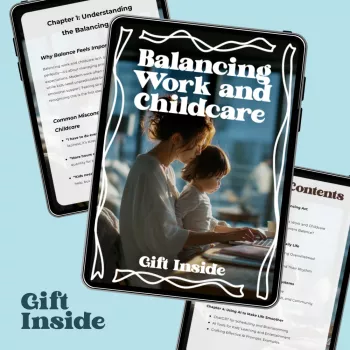
For busy parents especially, “balance” often looks like setting practical boundaries, using routines, and building reliable backup plans—so the whole week doesn’t fall apart when childcare changes, meetings run long, or a kid gets sick. If you want a parent-focused framework with realistic systems, visit this guide to work and childcare balance for step-by-step strategies.
For Work-Life Balance: Term for Work and Personal Life, the best answer depends on fit, material, care instructions, and how the product will be used day to day.
Checking those details first helps avoid a poor match and keeps the choice practical after delivery.
For Work-Life Balance: Term for Work and Personal Life, the best answer depends on fit, material, care instructions, and how the product will be used day to day.
Start with a predictable weekly schedule, clear work boundaries (like a daily “hard stop”), and a childcare backup plan. Small systems—shared calendars, meal routines, and a short daily reset—often reduce stress more than big one-time changes.





Leave a comment