
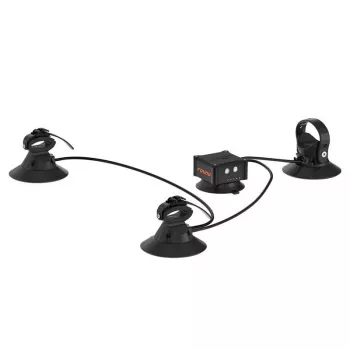
A suction-mounted bike rack can be a practical option when a vehicle has limited hitch options, a glass roof, or a need for quick on-and-off transport. The Electric Handstand Suction Bike Rack – Versatile, Lightweight Roof & Rear Car Carrier is designed for temporary mounting on suitable smooth surfaces, helping you move a bike between vehicles without committing to permanent crossbars or a hitch rack. Below is a clear overview of what it’s meant to do, where it tends to fit best, and what to verify before heading out.
This carrier focuses on flexibility and portability—ideal for drivers who want a compact rack that can be installed when needed and stored away between trips.
Because suction systems rely on creating and maintaining a seal, the rack’s real-world performance depends heavily on surface condition, prep, and routine checks during travel.
Taking a few minutes to confirm fit and surface quality is the difference between a confident drive and a stressful one. Suction cups need a smooth, non-porous surface and enough flat area to seal fully.
| Check | Why it matters | What to do if unsure |
|---|---|---|
| Mounting surface is smooth and sealed | Suction needs an airtight seal | Avoid textured plastic, matte wraps, and heavily curved panels |
| Surface is clean and dry | Debris breaks the seal | Wipe with microfiber; re-seat if any slipping occurs |
| Vehicle roof load guidance reviewed | Prevents exceeding vehicle limits | Use fewer bikes or choose a different transport method if limits are low |
| Bike weight and shape suitable | Heavier bikes stress mounts | Remove accessories; consider alternate racks for very heavy bikes |
| Adequate clearance for doors/tailgate | Prevents contact damage and access issues | Test-fit before tightening and before driving |
One advantage of a suction bike rack is placement flexibility, but the “best” spot depends on the vehicle shape, where you can find flat real estate, and how you use your vehicle day-to-day.
For roof mounting, total vehicle height is the big day-ruiner: parking garages, drive-thrus, low branches, and some hotel canopies can become a problem quickly. For rear mounting, the common tradeoff is access—tailgates and trunks may not open normally, and some vehicles have heavily sculpted rear panels that limit where suction can seal.
Suction systems can be reliable when properly seated, but they’re not “set it and forget it.” Temperature changes and long highway runs can shift pressure over time, so building in quick checks is smart.
It’s also worth keeping an eye on broader vehicle safety items before long drives—tires, lights, and any open recalls. For helpful references, see NHTSA recall resources and general safety guidance from AAA. For bike transport best practices, rider-focused tips from Bicycling can be a useful baseline.
| Item | Value |
|---|---|
| Name | Electric Handstand Suction Bike Rack – Versatile, Lightweight Roof & Rear Car Carrier |
| Mount type | Suction-cup temporary mount |
| Placement | Roof or rear (vehicle-dependent) |
| Price | $412.51 USD |
| Stock status | In stock |
No. Suction mounting requires a smooth, non-porous, clean surface that can form an airtight seal; textured plastics, heavily curved panels, matte wraps, and damaged paint may not seal consistently. When in doubt, test-fit on the exact spot you plan to use before loading the bike.
Check before departure, again after a short initial drive, and periodically on longer trips or after major temperature swings. If you notice any loss of vacuum or shifting, unload as needed and re-seat the cups on a clean, dry surface.
It can be when the vehicle’s roof load guidance is followed, the cups are fully seated on an appropriate surface, and clearance risks are managed. Do a low-speed test first, re-check the mount before highway speeds, and continue periodic checks during extended drives.





Leave a comment