Living in a small space doesn’t mean sacrificing organization or style. With the right strategies and mindset, compact homes can be incredibly functional, efficient, and beautiful. Whether you’re working with a studio apartment, tiny house, or simply want to maximize every square foot of your current space, these proven organization tips will help you create a home that feels spacious, clutter-free, and perfectly tailored to your lifestyle.
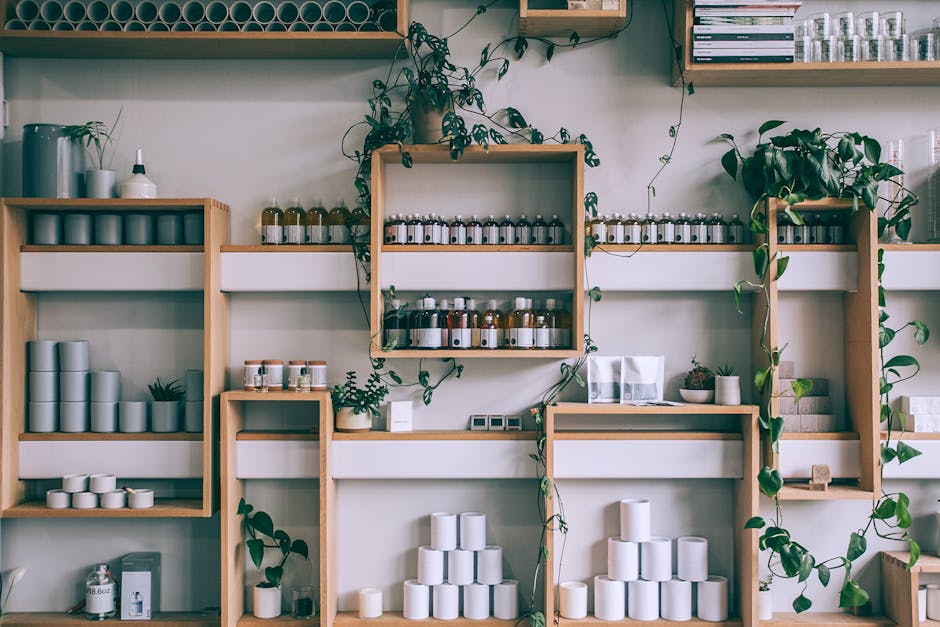
When floor space is limited, think upward. Vertical storage is your secret weapon for small space organization. Install floating shelves from floor to ceiling to create additional storage without taking up precious floor real estate. Use the space above doorways, windows, and in corners that often go unused.

Consider installing wall-mounted cabinets in your kitchen that extend all the way to the ceiling. While you may need a step stool to reach the highest shelves, this approach provides valuable storage for items you don’t use daily, such as seasonal dishes or small appliances.
Tall, narrow bookcases and storage towers work excellently in small spaces. They draw the eye upward, making rooms appear larger while providing ample storage. Over-the-door organizers are another fantastic vertical solution, perfect for storing shoes, cleaning supplies, or bathroom essentials without requiring any floor space.
Don’t overlook wall hooks and pegboards. These simple additions can transform any wall into organized storage for everything from kitchen utensils to jewelry. The key is to use vertical space strategically throughout your entire home, not just in one room.
Every piece of furniture in a small space should work double duty. Multi-functional furniture is essential for maintaining organization while maximizing utility. Ottoman storage cubes serve as seating, footrests, and hidden storage for blankets, books, or seasonal items.

Invest in a dining table with built-in drawers or shelves underneath. This provides immediate storage for placemats, napkins, and dining essentials while maintaining the table’s primary function. Similarly, bed frames with built-in storage drawers eliminate the need for additional bedroom furniture while keeping linens and clothing organized.
Coffee tables with lower shelves or hidden compartments keep living room essentials within reach but out of sight. Bench seating with lift-up tops works perfectly in entryways for storing shoes, umbrellas, and outdoor gear.
According to the American Psychological Association, organized spaces contribute significantly to mental well-being and reduced stress levels. When furniture serves multiple purposes, you maintain organization while creating a calmer, more functional environment.
The best small space solutions are those that eliminate the need to choose between function and storage.
Small spaces require intentional organization systems to prevent chaos. Create specific zones for different activities, even within the same room. Designate areas for work, relaxation, dining, and storage, using furniture placement and visual cues to define each space.
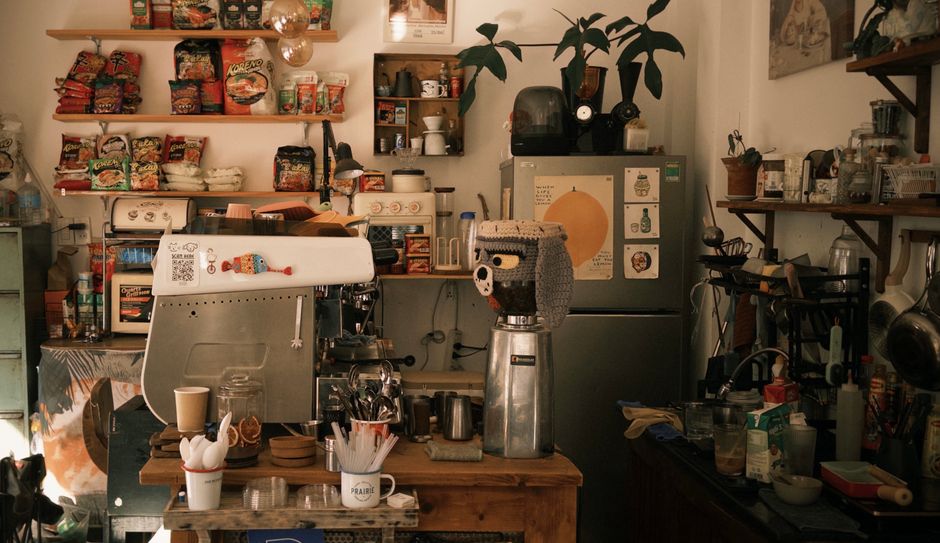
Implement a one-in, one-out policy to prevent accumulation of unnecessary items. When you bring something new into your space, remove something else. This maintains equilibrium and prevents gradual clutter buildup that can quickly overwhelm small areas.
Develop daily organization routines that take just minutes but maintain order. Make beds immediately upon waking, wash dishes after every meal, and return items to their designated homes after use. These small habits prevent clutter from accumulating and becoming overwhelming.
Use clear storage containers and labels throughout your home. When everything has a visible, designated place, maintaining organization becomes effortless. This system works particularly well in closets, pantries, and bathroom storage areas where space is at a premium.
Closets in small spaces must be perfectly organized to maximize their potential. Use slim hangers to fit more clothing in the same space, and organize items by type and frequency of use. Store out-of-season clothing in vacuum-sealed bags or under-bed storage containers.
Install closet organization systems with adjustable shelving and multiple hanging rods. This allows you to customize storage based on your specific wardrobe needs while maximizing vertical space. Use shelf dividers to keep folded items neat and prevent toppling.
The U.S. Department of Energy recommends organizing storage areas to improve home efficiency and reduce energy costs associated with heating and cooling cluttered spaces.
In pantries and kitchen storage areas, use tiered shelf organizers to see everything at a glance. Store frequently used items at eye level, and use door-mounted racks for spices and small items. Clear, stackable containers help maximize space while keeping food fresh and organized.
Drawer organizers are essential for small spaces. Use adjustable dividers in kitchen, bathroom, and bedroom drawers to create specific homes for small items that otherwise create clutter.
Small space organization requires creative thinking and smart storage solutions. Use the space under your bed for storage by investing in rolling storage boxes or vacuum-sealed bags. This area can hold seasonal clothing, extra bedding, or items you don’t access regularly.
Magnetic strips and hooks work wonders in kitchens and bathrooms. Mount magnetic knife strips to walls, use magnetic containers inside medicine cabinets, or install magnetic hooks inside cabinets for measuring spoons and small tools.
Tension rods aren’t just for shower curtains. Use them under sinks to hang cleaning supplies, in closets to create additional hanging space, or in cabinets to organize cutting boards and baking sheets vertically.
Command hooks and adhesive organizers provide storage solutions without permanent installation, perfect for renters or those who prefer flexible organization systems. Use them in closets, behind doors, or inside cabinets to maximize every inch of available space.
Consider furniture with hidden storage compartments. Modern designs often incorporate unexpected storage areas that maintain clean aesthetics while providing practical organization solutions.
The best organization system is one that adapts to your changing needs and lifestyle. Regularly assess your belongings and donate or discard items you no longer use. This prevents accumulation and ensures your storage solutions remain effective.
Seasonal organization reviews help maintain optimal space usage. Rotate clothing, reassess storage needs, and adjust organization systems based on what’s working and what isn’t. Small spaces require this flexibility to remain functional over time.
The Centers for Disease Control and Prevention emphasizes that organized living spaces contribute to better physical and mental health outcomes, making regular maintenance of organization systems a worthwhile investment in overall well-being.
Track what organizational tools and systems work best for your lifestyle. Everyone’s needs are different, so customize solutions based on your specific habits, possessions, and daily routines. What works for others may not work for you, and that’s perfectly fine.
Involve all household members in maintaining organization systems. When everyone understands and participates in the organization plan, small spaces remain functional and clutter-free long-term.
Organizing small spaces successfully requires creativity, consistency, and the right tools and strategies. By maximizing vertical storage, choosing multi-functional furniture, creating designated zones, optimizing closets, implementing smart storage hacks, and maintaining flexible systems, you can transform any compact space into an organized, efficient, and beautiful home.
Remember that organization is an ongoing process, not a one-time project. Start with one area, implement these strategies gradually, and adjust systems as needed. With patience and the right approach, your small space can become a perfectly organized sanctuary that supports your lifestyle and enhances your daily well-being.




Leave a comment