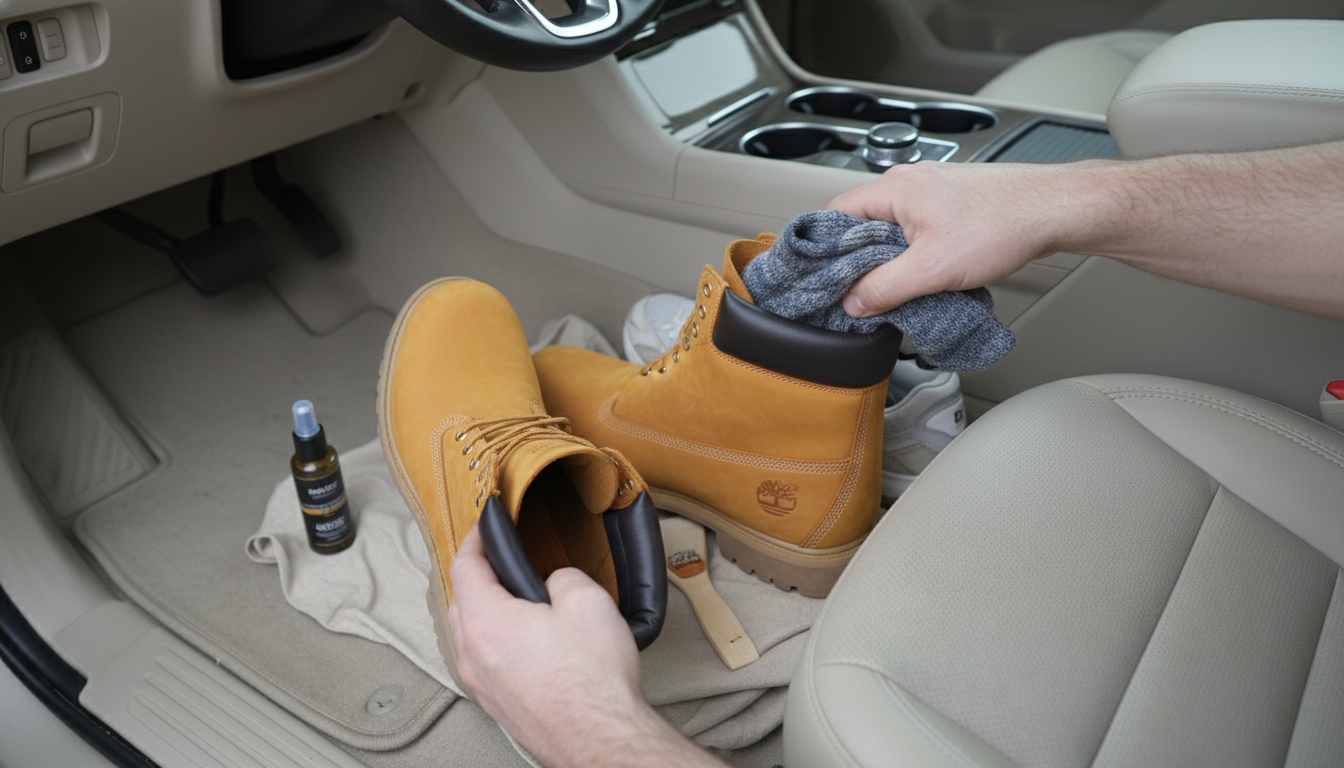
Timberland Premium boots are generally comfortable, especially after a short break-in period. They’re built with supportive soles, padded collars, and durable leather that starts structured but softens as it molds to your foot. For many wearers, comfort improves noticeably after a few full days of regular walking.
The most common comfort highlights are the cushioning underfoot and the ankle support. The collar around the top of the boot is typically padded, which helps reduce rubbing at the Achilles area. The outsole is designed for stability and grip, so the boot feels secure on city sidewalks and uneven outdoor surfaces. That secure, planted feel can make long wear more comfortable than softer fashion boots that lack structure.
Because Premium Timberlands use thick, resilient leather, the first few wears can feel stiff across the toe box and along the sides. If the boot is even slightly small, that stiffness can translate into pressure points. Some people also notice the boot’s weight compared to lighter sneakers or minimalist boots, which can cause fatigue if you’re not used to heavier footwear.
Comfort often comes down to sizing and how you plan to wear them. If you’ll wear thicker socks in colder weather, leave enough room so your toes can wiggle without your foot sliding. Lacing matters, too: snug through the midfoot for support, but not so tight that it restricts flex as you walk. For extended standing or all-day wear, a supportive insole can add arch comfort and reduce impact—especially if your feet run flat or high-arched.
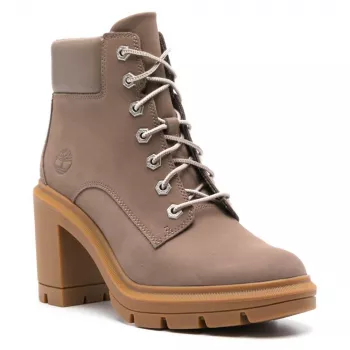
For more fit and styling tips (including details relevant to women’s beige leather ankle boot looks), see the full guide here: https://mrsmattie.com/blog/guide-timberland-womens-beige-leather-ankle-boots-guide/.
Most people feel a noticeable break-in over 3–7 wears, with the leather loosening where your foot bends. Wearing them for short outings first and using thicker socks can help reduce rubbing while they soften.



Leave a comment