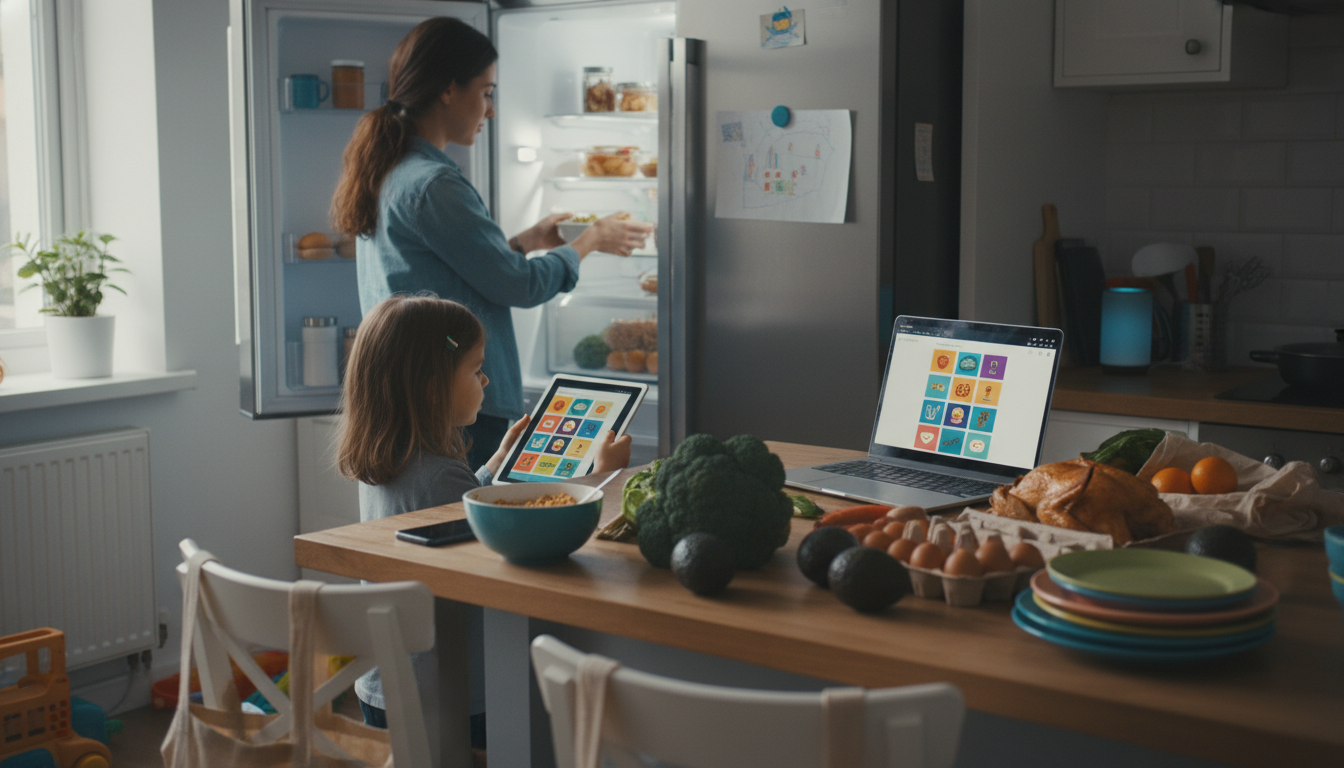
Yes. AI can generate a personalized meal plan based on your goals, schedule, food preferences, cooking skill, budget, and dietary needs. It can map out breakfasts, lunches, dinners, and snacks for the week, then turn that plan into a practical grocery list and prep schedule—so you spend less time deciding what to eat and more time simply making it.
The best results come from giving the AI clear inputs. Start with your non-negotiables (allergies, medical restrictions, foods you avoid), then add your preferences (cuisines you like, protein choices, how many servings you need, and whether leftovers are welcome). If time is tight, specify realistic prep limits, such as “15-minute dinners on weeknights” or “batch cook two proteins on Sunday.”
AI can also help balance meals by distributing protein, fiber-rich carbs, and colorful produce across the week, while keeping variety so you don’t end up repeating the same bowl five times. If you have nutrition targets—like higher protein, lower sodium, or more vegetables—ask the AI to prioritize those and to suggest easy swaps when a recipe doesn’t fit.
Before you follow any AI-generated plan, do a quick safety and practicality check. Confirm portion sizes match your household, scan for ingredients you can’t access, and watch for nutrition concerns if you’re managing a condition like diabetes, kidney disease, or food allergies. When in doubt, run the plan by a registered dietitian or clinician.
For a step-by-step approach to building a smart weekly plan (including fast-prep strategies and balanced meal ideas), see this guide to smart weekly meal planning.
Give specific details: dietary restrictions, calories or macro targets (if you use them), cooking time limits, budget, serving count, and a short list of favorite and disliked foods. Then ask for a 7-day plan plus a categorized grocery list and a 60–90 minute prep session outline.






Leave a comment