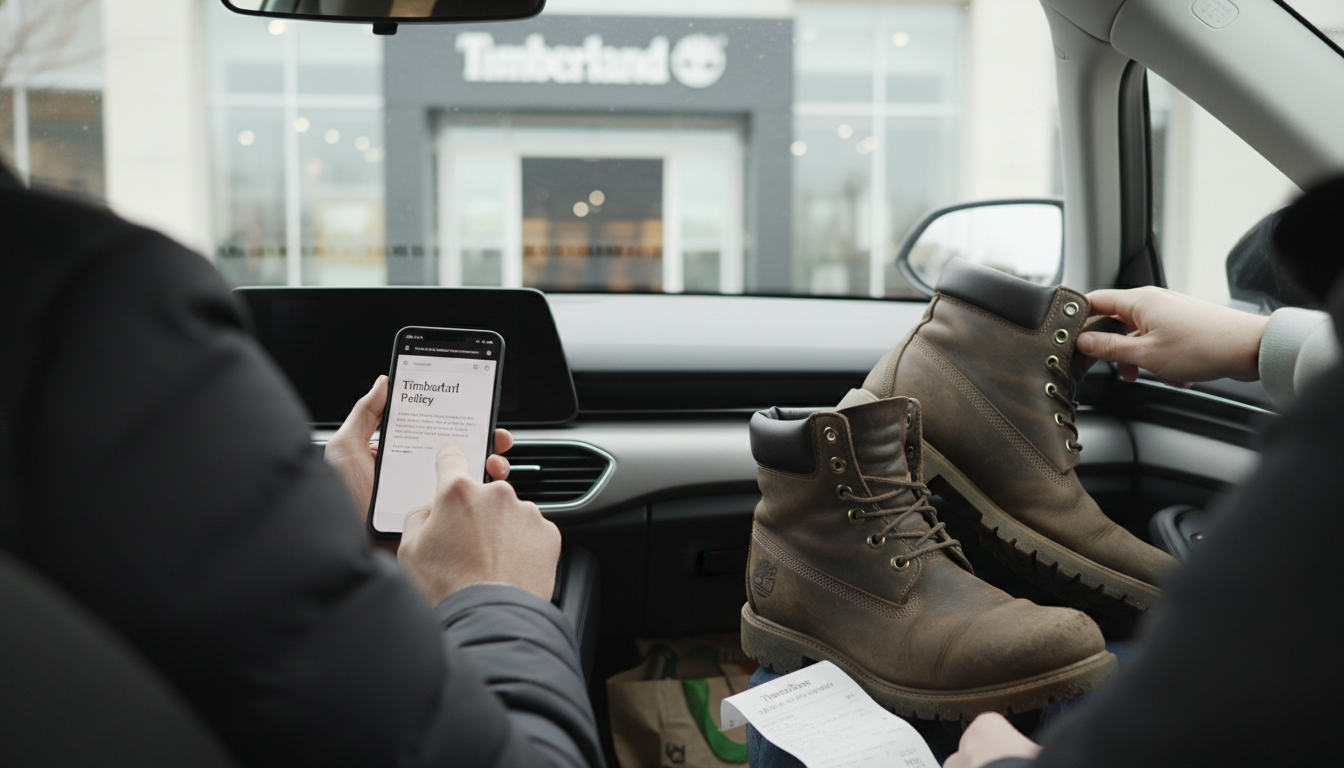
Usually, no—once Timberland boots have been worn outside, most returns are declined because the product is no longer considered “new” and resalable. Timberland and many authorized retailers typically accept returns only when boots are unworn, in original condition, and include the original packaging (like the box and tags). If the soles show dirt, scuffs, creasing, or obvious tread wear, it’s commonly treated as used footwear and can be rejected.
There are a few exceptions where you may be able to get help even if the boots have been worn:
If the return is denied, consider alternatives that still protect your wallet. If the boots are in good shape, resale marketplaces can be a practical option—especially for popular Timberland styles. If the fit is the problem, insoles or different lacing techniques can sometimes solve heel slip or tightness without replacing the boots. For cosmetic scuffs, a quick clean and conditioning routine often makes a big difference on leather.
When you first receive your Timberlands, try them on indoors with the socks you’ll actually wear. Walk on carpet or a clean surface to keep the soles spotless. If you’re still deciding, keep all tags attached and save the box until you’re sure they’re staying.
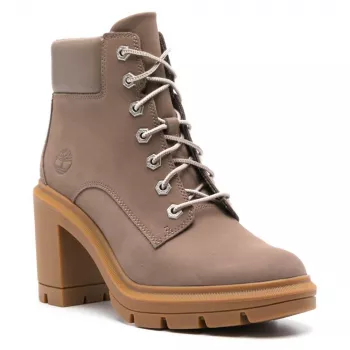
For styling and fit context on a popular Timberland look, see this guide: Timberland women’s beige leather ankle boots guide.
Brush off dry dirt first, then wipe with a slightly damp cloth and use a leather-safe cleaner as needed. Let them air-dry away from heat, then condition the leather to help prevent drying or cracking.





Leave a comment