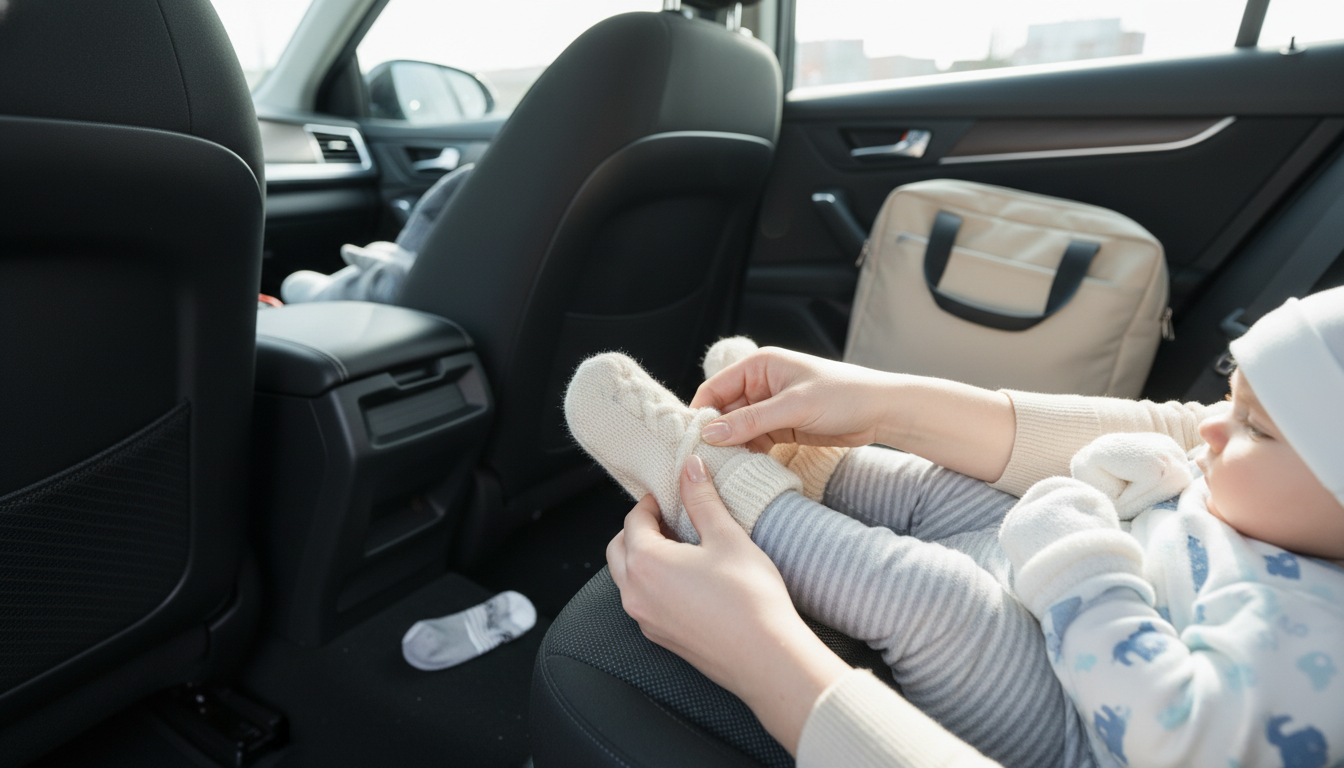
Yes—babies actually do wear booties, and they’re a common go-to for warmth and comfort, especially in the newborn and early-infant months. Since many babies can’t regulate temperature as well as older kids, soft booties help keep little feet cozy during naps, stroller walks, and time spent in cooler rooms. They’re also popular for photos, special occasions, and everyday outfits when socks alone don’t seem to stay on.
That said, whether booties get worn successfully often depends on timing and fit. Pre-walkers typically do best with lightweight, flexible booties that bend easily at the ankle and don’t squeeze the toes. Once a baby starts pulling up, cruising, or walking, booties are still used—but families often switch to grippy-soled styles or soft shoes for better traction on smooth floors.
Booties are most useful when a baby’s feet tend to get cold or when socks keep sliding off. They can also be practical in baby carriers (where airflow can cool feet) and during travel between warm and chilly spaces. In milder temperatures, many parents use booties as an easy layer: simple to put on, simple to remove, and gentle on sensitive skin.
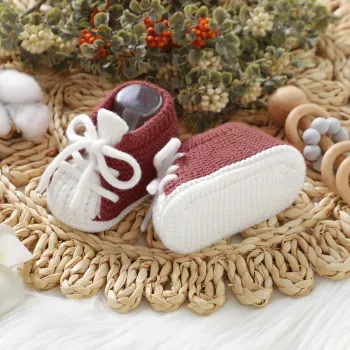
They can—if the design is right. Booties with a comfortable ankle cuff, adjustable tie, or gentle elastic are more likely to stay put than loose, straight-cut styles. The goal is a secure hold around the ankle without leaving marks or restricting circulation. If your baby constantly kicks them off, sizing down slightly or choosing a style with better ankle structure often helps.
For a deeper look at what makes baby booties warm, comfortable, and more likely to stay on, see the complete guide here: knitted baby booties comfort and fit guide.
Choose a bootie with a snug (not tight) ankle cuff, a tie, or a wrap-style closure. A close fit around the ankle is usually more important than extra length in the foot.



Leave a comment