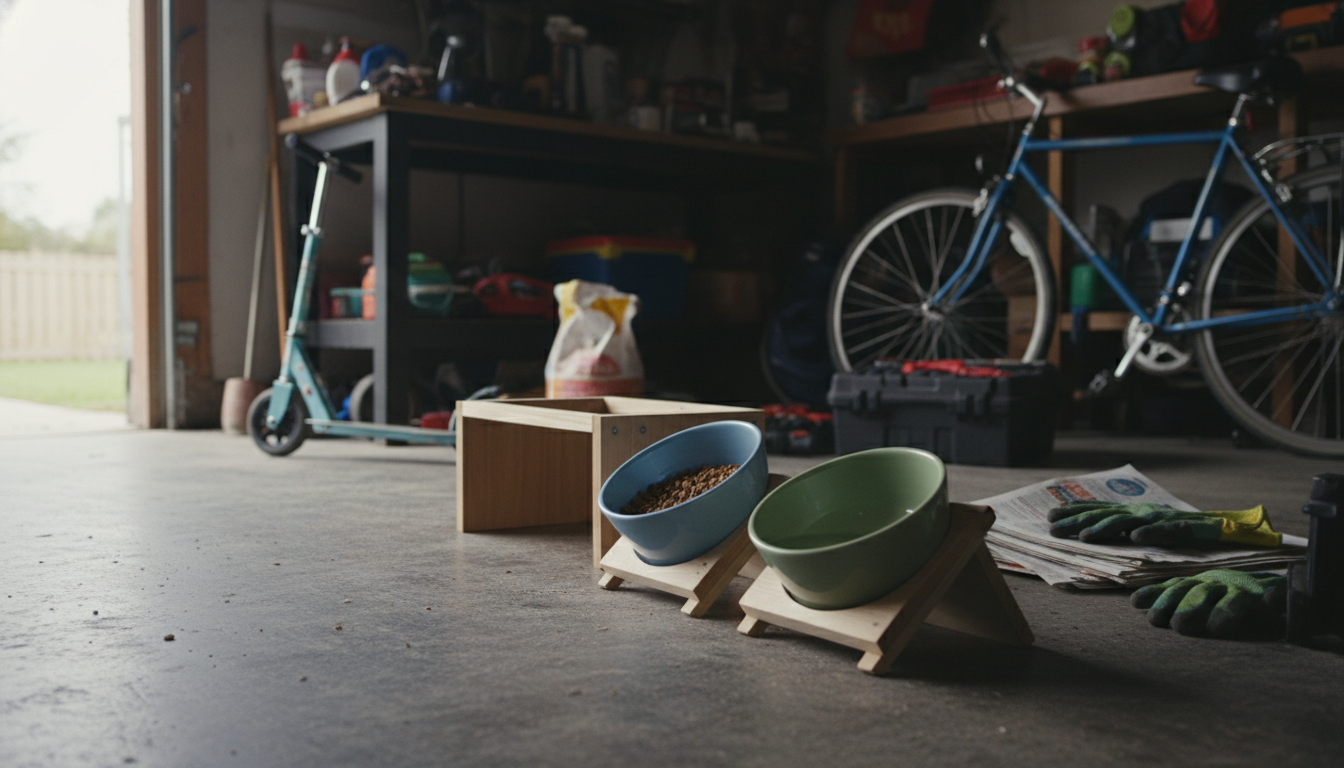
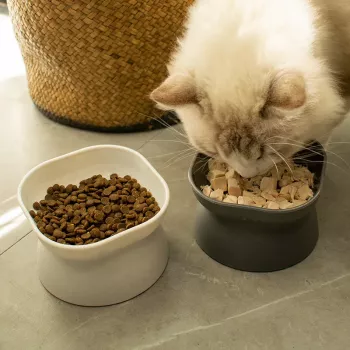
Yes—tilted cat bowls can work well for many cats by making food and water easier to reach with less neck bending. By raising the front edge, the bowl’s contents naturally slide toward the cat, which can feel more comfortable for cats that eat quickly, have mild stiffness, or simply prefer a more upright posture.
On a flat bowl, kibble and wet food can spread out, forcing some cats to push their nose deeper or chase pieces around the rim. A gentle tilt keeps food pooled toward one side, so the cat can take bites with fewer awkward head movements and less scooping.
Many messes come from cats pawing at scattered pieces or nudging food over the edge while trying to reach the last bits. A tilted design can reduce “food chasing,” which often means fewer crumbs and smears outside the bowl—especially when paired with a stable, non-slip base.
Some cats look noticeably calmer with a setup that doesn’t require hunching low. While a tilted bowl isn’t a medical treatment, it can be a simple comfort upgrade for older cats or cats that seem reluctant to bend down for long meals.
Not every cat cares about bowl angle. If a cat already eats comfortably, a tilt may feel like a neutral change. Also, if the tilt is too steep or the bowl is too narrow, some cats may find it harder to eat without bumping whiskers or pushing food out of the bowl.
A moderate tilt, wide and shallow shape, and a steady base tend to work best. The goal is a comfortable eating angle without forcing food to slide too fast. For a deeper dive into bowl angle, shapes, and setup tips, see this tilted cat food bowl guide.
They can help if the bowl is also wide and shallow, since whisker fatigue is more about bowl width and depth than tilt alone. A tilted, shallow dish often reduces whisker contact compared to a narrow, deep bowl.





Leave a comment