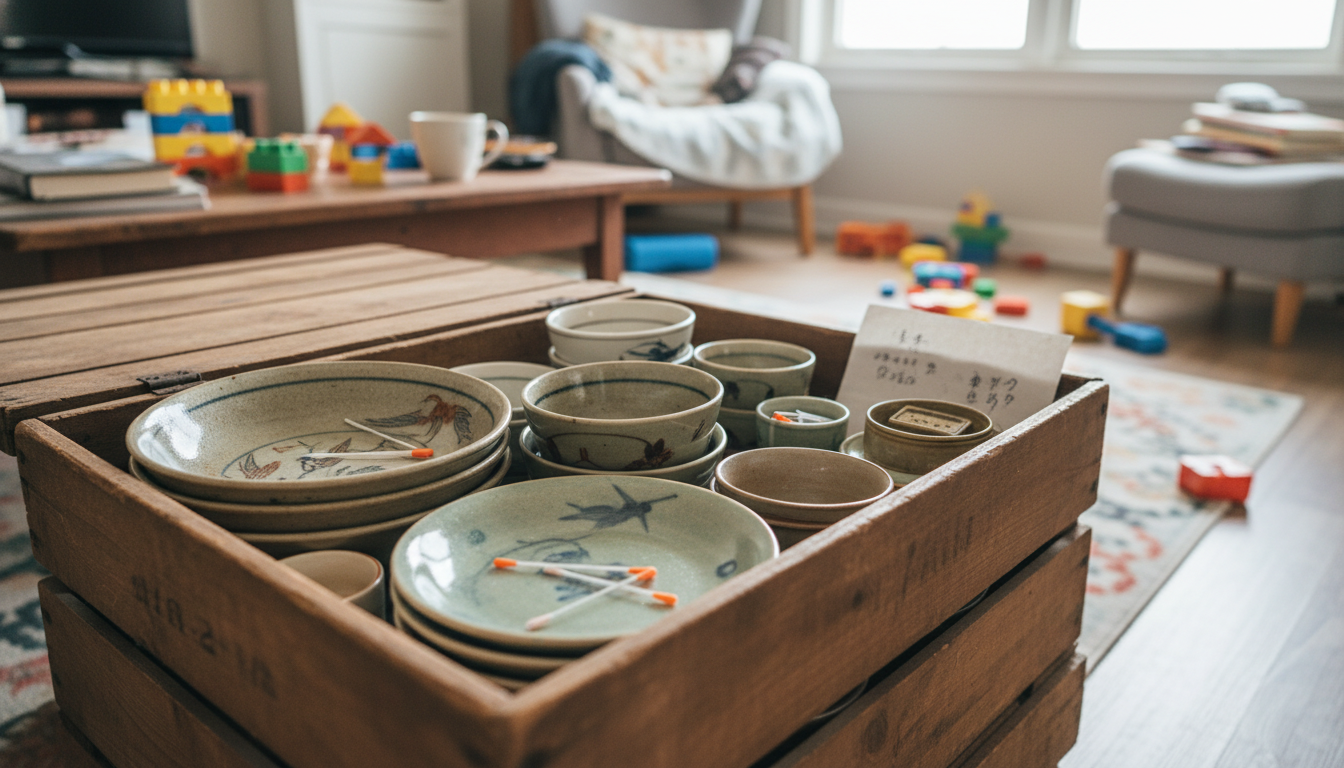
Sometimes. Vintage Japanese ceramics can contain lead, especially in older glazes, bright or glossy decorative finishes, and pieces made before modern labeling and import standards became more common. Many vintage items are perfectly fine for display, but it’s not safe to assume a dish, cup, or serving piece is lead-free just because it’s “Japanese” or “high quality.” Lead risk depends on the specific glaze, manufacturer, age, and whether the surface is worn or crazed (a network of tiny cracks that can allow leaching).
There’s no single visual clue that guarantees a piece is lead-free, but these factors raise the likelihood:
The most reliable approach is to test. At-home lead test swabs can screen for lead on surfaces, but they’re not a perfect measure of leaching into food. For higher confidence—especially for mugs, bowls, plates, and anything used with hot, acidic, or long-contact foods—consider a laboratory leach test. If you’re not testing, the safest route is to reserve questionable vintage pieces for décor, storage of non-food items, or occasional dry-food serving on intact surfaces.
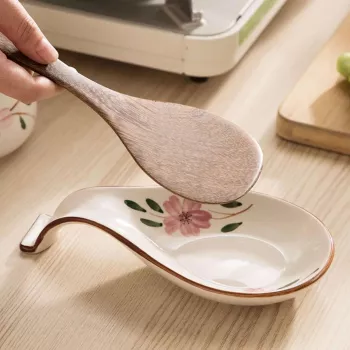
If your goal is a functional kitchen setup (including items like ceramic rests and countertop accessories), prioritize pieces that are clearly labeled food-safe and in excellent condition. For more on how Japanese ceramic pieces are used around cooking spaces and counter setups, see this guide to Japanese ceramic spoon rests and built-in counter shelves.
Use an EPA-recognized lead test swab on clean, dry surfaces as a quick screen, then follow up with a lab leach test if the item will touch food or drinks regularly. If the surface is crazed, chipped, or worn, treat it as higher risk even if a swab is negative.





Leave a comment