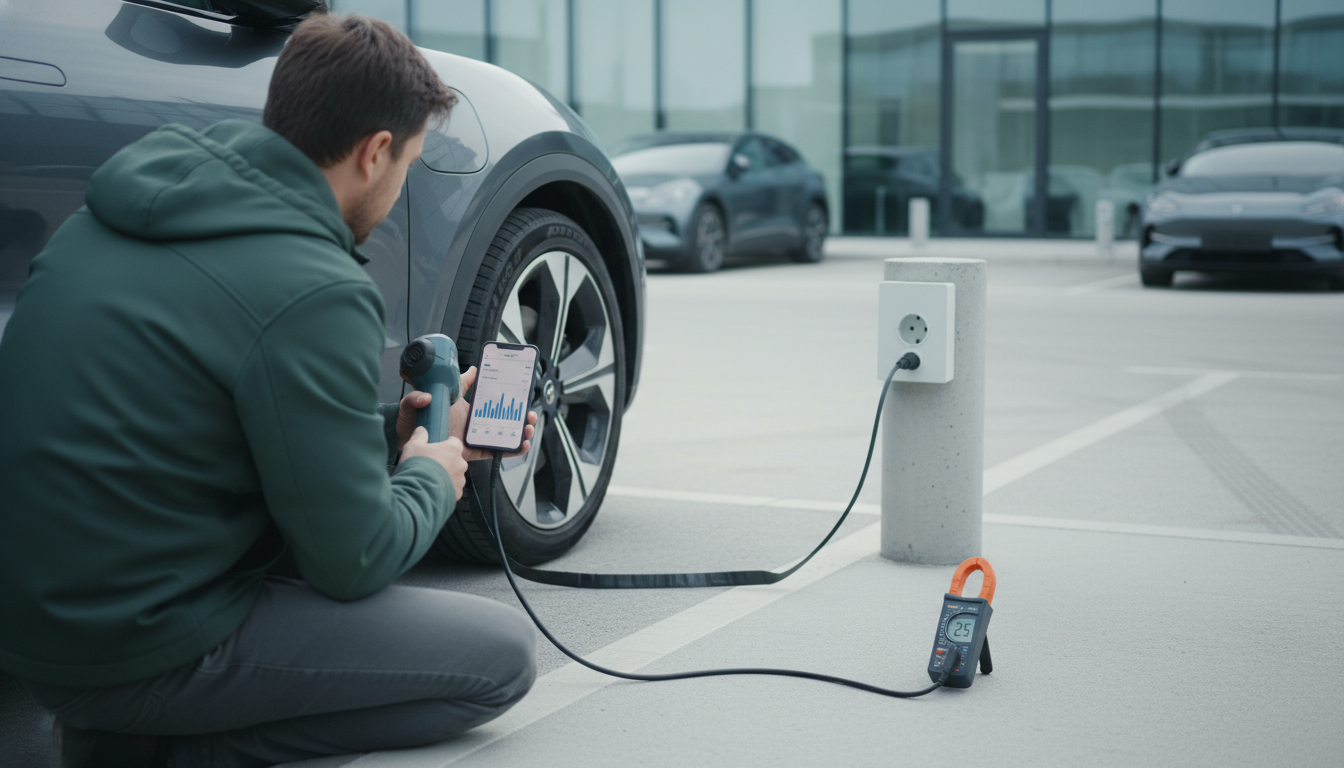
Yes—heat tape can raise your electric bill, but the increase is usually modest when it’s installed correctly and used only when needed. The total cost depends on the tape’s wattage, how long it runs, outdoor temperatures, and whether it has a thermostat that cycles on and off instead of running continuously.
Most residential heat tape (also called heat cable) is rated somewhere around 3–8 watts per foot. To estimate cost, multiply the watts per foot by the total length, then convert to kilowatt-hours (kWh). For example, 50 feet at 6 watts/foot equals 300 watts (0.3 kW). If it ran nonstop for 24 hours, that’s about 7.2 kWh per day. Your electric rate determines the dollar amount.
Self-regulating or thermostat-controlled heat tape typically costs less to operate because it reduces output as temperatures rise and turns off when not needed. Always-on styles can run unnecessarily long and cost more over a season.
Colder, windier conditions make heat tape work harder and run longer. Pipes in uninsulated crawl spaces or exposed runs tend to require more heat than pipes inside insulated areas.
Proper pipe insulation over approved heat tape helps it maintain temperature with less electricity. Poor contact, missing insulation, or using the wrong tape for the application can lead to longer run times and higher costs.
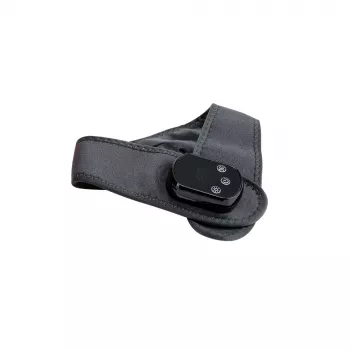
If you’re weighing different ways to use heat comfortably (whether for home protection or personal comfort), it helps to understand how electric heating elements draw power and how features like adjustable settings can change usage. For a practical example of adjustable electric heat applied to comfort and recovery, see this guide to a heated neck massage belt with adjustable heat and vibration.
It’s usually not expensive for short runs used during cold snaps, especially with a thermostat. Longer lengths or always-on operation can noticeably increase costs over a winter.





Leave a comment