A weekly meal plan works best when it’s realistic: repeatable staples, flexible swaps, and a prep routine that doesn’t take over the weekend. A “smart” system helps you build balanced meals, shorten decision time, and streamline shopping and prep—while optionally using AI tools to generate ideas, adapt recipes, and keep variety without starting from scratch each week.
Smart meal planning isn’t about cooking something new every night. It’s about creating a predictable rhythm that still leaves room for real life.
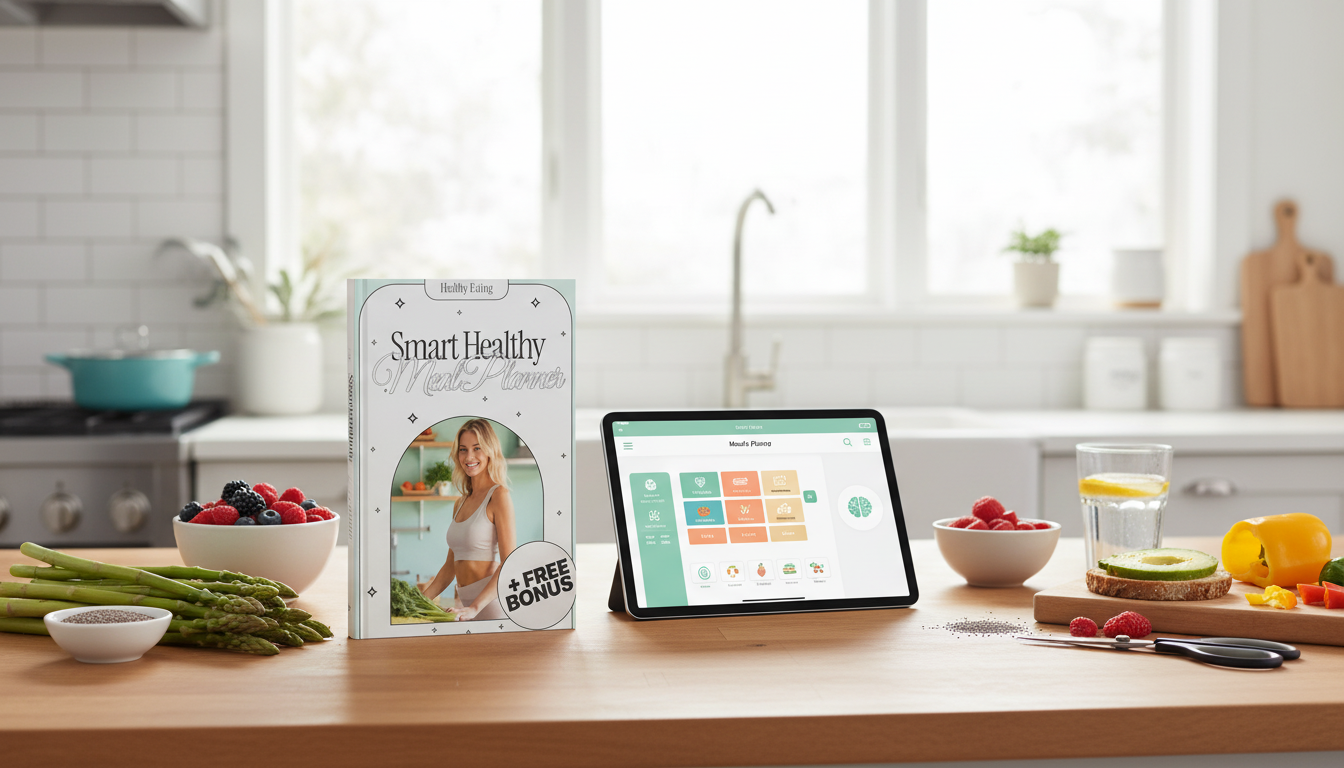
If you want a repeatable system, a planner should guide decisions (not add more work). The Smart Healthy Meal Planner | Digital Download Guide for Weekly Meal Planning, Balanced Nutrition, Simple Prep & AI Tools is designed to help you map a week without overcommitting.
| Planner piece | Purpose | How to keep it simple |
|---|---|---|
| Anchor meals (2–3) | Reliable dinners that create leftovers | Repeat favorites and rotate one new recipe |
| Mix-and-match lunches | Low-effort midday meals | Use prepped components (greens + protein + sauce) |
| Quick breakfasts | Consistent energy and less morning stress | Choose 2 options for the week |
| Snack plan | Prevents random grazing | Pick 2–3 snacks and portion once |
| Buffer night | Backup for unexpected schedule changes | Freezer meal, leftovers, or breakfast-for-dinner |
The goal is to make weekday meals feel “assembled,” not “produced.” A quick prep session (even just 30 minutes) can cover the basics.
For an easy “treat” that can still fit into a planned week, pair your routine meals with something cozy and intentional, like the Cozy Pumpkin Spice Latte | Fall-Inspired Recipe Guide | Digital Download for Homemade Pumpkin Spice Latte Lovers.
Instead of tracking every detail, use a simple plate-building method aligned with established guidance like USDA MyPlate and the Harvard Healthy Eating Plate.
| Goal | Prompt to use | Best time to use it |
|---|---|---|
| Plan dinners fast | Create 5 dinners for a week. Each must be 30 minutes or less, include a protein and 2 vegetables, and use pantry staples. Include 2 leftover-friendly meals. | Before shopping |
| Use what’s available | Here’s what’s in my fridge/pantry: [list]. Suggest 6 meal ideas that use these items first, with minimal extra purchases. | When trying to reduce waste |
| Dietary adjustments | Adapt this meal plan to be [gluten-free/dairy-free/vegetarian/high-protein] while keeping prep under 30 minutes. Provide substitutions and a revised shopping list. | After choosing meals |
| Prep plan | Turn these meals into a 45-minute prep session plan. List tasks in order and what can be cooked together. | Weekend or weeknight prep |
For extra structure beyond food—especially when the week feels packed—a simple routine guide can help keep the household moving. Pair meal planning with a streamlined reset like Clean Faster, Stay Calm – A Stress-Free Speed Cleaning Guide for Busy Homes | Learn how to clean faster without stress.
Quick options include sheet-pan chicken and vegetables, shrimp or tofu stir-fry with frozen veggies, turkey or bean tacos with slaw, salmon with microwave potatoes and a side salad, chickpea curry with spinach, and veggie egg fried rice. Use shortcuts like frozen vegetables, bagged greens, and rotisserie chicken to keep cooking time under 30 minutes.






Leave a comment