HomeBlogBlogSpeed Clean Without Stress: 10–30 Minute Home Reset

Speed Clean Without Stress: 10–30 Minute Home Reset

Speed Clean Without Stress: 10–30 Minute Home Reset

Clean Faster, Stay Calm: A Stress-Free Speed Cleaning Routine for Busy Homes

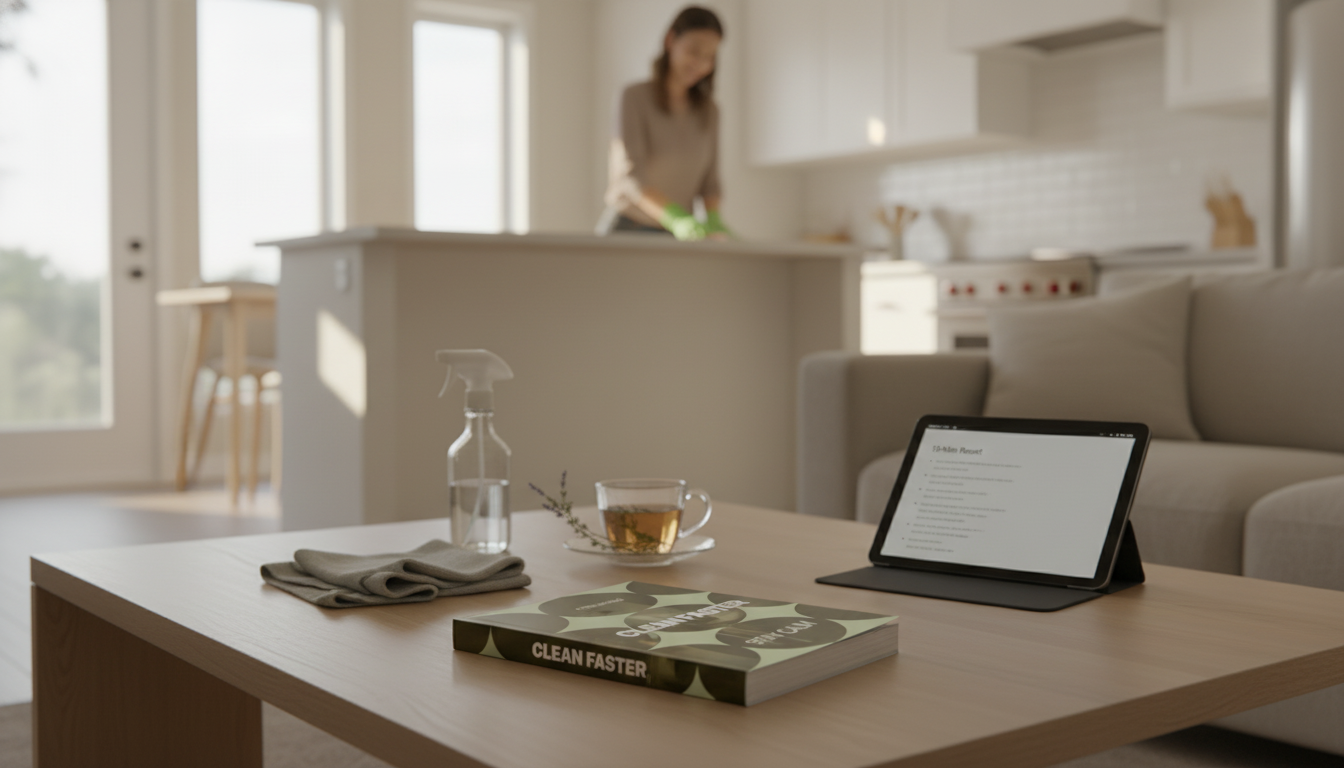
A calm, clean home doesn’t require marathon cleaning days. With a simple plan, the right order of operations, and a few stress-proof habits, it’s possible to reset the main living areas quickly—without the overwhelm. The goal isn’t a perfect house; it’s a functional, peaceful baseline you can return to even when schedules are packed, kids are loud, and pets are shedding.

What “speed cleaning” really means (and what it doesn’t)

Speed cleaning is a focused reset that makes your home feel noticeably better fast—without spiraling into deep-clean territory.

  • Aim for a functional reset: clear surfaces, remove trash, return items to their homes, and tackle visible grime in high-use zones.
  • Skip perfectionism: baseboards, deep grout work, and closet organizing belong in scheduled deep-clean sessions, not a quick reset.
  • Use time boundaries: a short timer reduces decision fatigue and keeps momentum when motivation is low.
  • Stick to a consistent sequence: top-to-bottom and dry-to-wet helps prevent redoing work.

If you want a structured, repeatable routine you can run on autopilot, keep a step-by-step guide handy: Clean Faster, Stay Calm – A Stress-Free Speed Cleaning Guide for Busy Homes.

Set up a calm-cleaning environment in 2 minutes

Before you start, make cleaning feel simpler—less rummaging, fewer decisions, fewer interruptions.

  • Do a fast “tools check”: all-purpose cleaner, glass cleaner (optional), microfiber cloths, trash bag, vacuum or broom, and a mop or disinfecting wipes.
  • Create a single carry caddy so supplies move with you room-to-room—fewer trips means less frustration.
  • Pick one anchor soundtrack or silence; choose what keeps your nervous system steady rather than overstimulated.
  • Open one window (if possible) for fresh air and faster drying, especially in kitchen and bathroom zones.

Quick setup checklist

Item Why it helps Fast substitute
Microfiber cloths (2–4) Grabs dust quickly and reduces streaks Old cotton T-shirt
All-purpose spray One product for most surfaces Dish soap + warm water (diluted)
Trash bag Immediate visual progress Small grocery bag
Vacuum/broom Fastest way to remove crumbs and hair Handheld brush + dustpan
Timer (10–30 min) Prevents spiraling into deep-cleaning Phone stopwatch

The stress-free speed-clean sequence (the “no backtracking” method)

This order is designed to reduce revisiting rooms and re-dirtying areas you already cleaned.

  • Step 1 — Trash first: walk through main areas and collect obvious trash and recycling; take it out immediately if it’s full.
  • Step 2 — Dishes and kitchen sink reset: move cups/plates to the kitchen, load the dishwasher (or stack neatly), and give the sink a quick rinse and wipe.
  • Step 3 — Surfaces: start high and move down (counters, coffee table, bathroom vanity), wiping in straight passes to avoid missed spots.
  • Step 4 — Floors last: vacuum/sweep the busiest paths first, then the full room if time remains; spot-mop sticky zones rather than the whole house.
  • Step 5 — One finishing touch: straighten pillows, fold one throw, or add a gentle scent—small cues make the space feel “done.”

For guidance on when to clean vs. disinfect (and how to do it safely), the CDC’s overview is a helpful reference: CDC — Cleaning and Disinfecting Your Facility.

Room-by-room shortcuts that still feel thorough

When time is tight, focus on what your eyes and hands notice most: touchpoints, shine points, and traffic lanes.

  • Kitchen: prioritize sink, counters, stovetop front edge, and the floor around the stove; ignore cabinet fronts unless visibly grimy.
  • Living room: clear surfaces into a “return basket,” quick dust of TV stand and tables, then vacuum the center and high-traffic lanes.
  • Bathroom: spray cleaner first (sink/toilet/shower), then wipe mirror and counter while product sits; finish with toilet exterior and quick floor pass.
  • Bedrooms: make the bed fast (even a simple blanket smooth makes a big impact), then clear nightstands and do a quick hamper sweep.
  • Entryway: shoes to one spot, toss mail into one tray, quick floor sweep to reduce tracked-in grit.

If picking products adds stress, consider choosing options designed to reduce exposure to harsher chemicals; this overview explains what that kind of labeling means: EPA — Safer Choice: About the Program.

How to clean faster without stress when energy is low

Stress is real physiology, not a character flaw; even small routines can help you feel more in control when life is loud. For a plain-language overview, see: American Psychological Association — Stress effects on the body.

A simple weekly rhythm to prevent pileups

A printable plan for days that feel chaotic

If you prefer a guided, step-by-step routine built for real homes, use: Clean Faster, Stay Calm – A Stress-Free Speed Cleaning Guide for Busy Homes. To make the “done” feeling last, pair your reset with a small comfort ritual like Cozy Pumpkin Spice Latte | Fall-Inspired Recipe Guide or a simple ready-to-go look from Modern Minimal Outfits with New Balance Guide – Effortless Style & Clean Streetwear Looks.

FAQ

What should be cleaned first to make the biggest difference fast?

Start with trash and dishes, then clear and wipe the most visible surfaces, and finish with floors. That order creates fast visual impact while preventing backtracking and re-messing areas you just reset.

How can cleaning feel less overwhelming with kids or a busy household?

Use short timed resets, keep one pickup basket for stray items, and hand out tiny roles (trash, shoes, toys) that take 1–2 minutes each. Set a realistic “done for today” baseline so the routine ends before everyone melts down.

How long should a speed clean take?

Most speed cleans fit into 10, 20, or 30 minutes depending on home size and how messy the main rooms are. Consistent short resets usually outperform occasional long cleans because the mess never gets a chance to pile up.

Was this article helpful?

Yes No
Leave a comment
Top

Shopping cart

×