
The best-known Japanese-style way to repair broken ceramics is kintsugi, a method that mends cracks with lacquer and highlights the repair with metallic powder (often gold). Instead of hiding damage, kintsugi treats the break as part of the piece’s story—turning a chip, crack, or clean break into a visible design feature.
Kintsugi traditionally uses urushi lacquer (a natural tree lacquer) as the adhesive and finishing coat. After the pieces are joined and built up, the final surface is dusted with metal powder to create a shimmering seam. Authentic urushi work is beautiful and durable, but it requires careful handling (urushi can irritate skin), controlled curing conditions, and patience because the layers cure slowly.
For a decorative item, many people use a “modern kintsugi” approach: a strong, clear epoxy to bond the shards, then metallic powder or gold-toned paint to accent the seam. The typical flow is: clean and dry the broken edges, do a careful dry-fit, bond with minimal adhesive, clamp or tape until cured, then refine and decorate the seam once fully hardened. This preserves the kintsugi look while using materials that are easier to source.
If the piece will touch food (plates, bowls, mugs, spoon rests), be cautious. Traditional urushi can be food-safe when fully cured and properly applied, but modern epoxies and paints vary widely. Unless the product you use explicitly states it is food-safe and suitable for the temperatures involved, keep the repaired piece for display only. Also note that cracks can trap moisture and bacteria if the seam isn’t fully sealed.
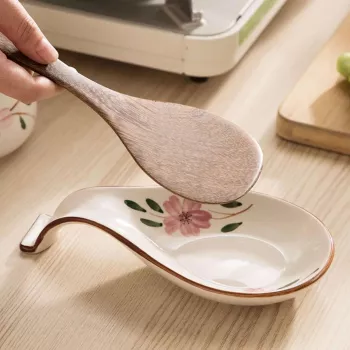
Sometimes the most satisfying option is choosing a well-made replacement that fits your space and daily routine—especially for kitchen ceramics that see frequent washing and heat. For inspiration on Japanese ceramics that are functional and thoughtfully designed, see this guide: Japanese ceramic spoon rest with built-in counter shelf.
It depends on the materials. Traditional urushi kintsugi can be food-safe when fully cured, but many DIY epoxies and metallic paints are not rated for food contact or high heat, so those repairs are best kept decorative.





Leave a comment