A well-organized kitchen transforms daily cooking from a stressful chore into an enjoyable experience. Whether you’re dealing with limited cabinet space, cluttered countertops, or drawers that seem to swallow utensils whole, implementing smart organization strategies can revolutionize your culinary workspace. In 2026, homeowners are embracing innovative storage solutions that maximize efficiency while maintaining aesthetic appeal.
The key to successful kitchen organization lies in understanding your specific needs, cooking habits, and available space. From clever cabinet configurations to strategic pantry arrangements, the right organizational system can save you time, reduce stress, and make meal preparation more efficient than ever before.
Cabinet organization forms the backbone of any efficient kitchen system. Start by implementing a zone-based approach where similar items are grouped together. Dedicate specific cabinets for baking supplies, cooking essentials, and everyday dishes to create logical storage patterns.
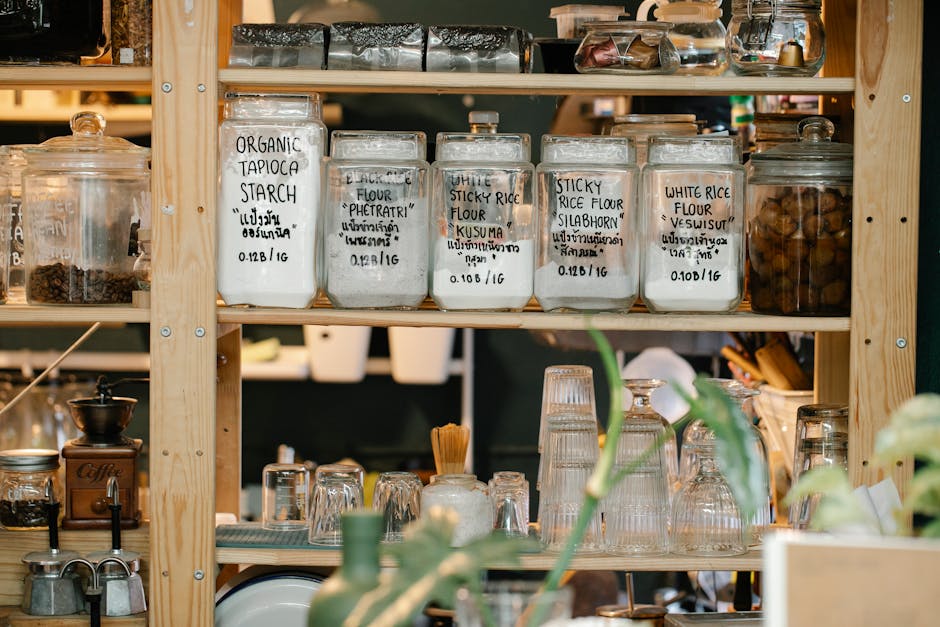
Install adjustable shelving systems to accommodate items of varying heights. Stackable containers are particularly effective for storing dry goods like pasta, rice, and cereals. Clear, airtight containers not only keep food fresh longer but also allow you to see contents at a glance, preventing duplicate purchases and food waste.
Utilize vertical space by adding shelf risers or expandable organizers. These simple additions can double your storage capacity without requiring major renovations. Door-mounted racks transform the inside of cabinet doors into valuable storage real estate for spices, cleaning supplies, or cooking utensils.
For deep cabinets, pull-out drawers and lazy Susans ensure items stored in the back remain accessible. These rotating systems are particularly effective for corner cabinets, which often become black holes for kitchen items.
Consider the USDA’s food storage guidelines when organizing your pantry to ensure proper food safety and maximize shelf life. Group items by expiration dates and implement a first-in, first-out rotation system to minimize waste.
Drawer organization requires strategic thinking about accessibility and frequency of use. Install adjustable drawer dividers to create custom compartments for different utensil types. This prevents the frustrating jumble that occurs when everything is tossed together.
Dedicate your most accessible drawers to items you use daily, such as cooking utensils, measuring tools, and basic cutlery. Reserve deeper drawers for larger items like mixing bowls, small appliances, or specialty cooking tools.
Implement a tiered system using drawer inserts that create multiple levels within a single drawer. This approach is particularly effective for storing various sizes of measuring spoons, cookie cutters, or small gadgets.
For junk drawers that tend to accumulate miscellaneous items, use small containers or ice cube trays to create designated spaces for batteries, twist ties, rubber bands, and other small necessities.
Professional organizers recommend the “one-touch rule” – if you can’t access an item with one simple motion, your organization system needs improvement.
Maintaining clear countertops while keeping essential items within reach requires creative solutions. Vertical storage systems, such as knife blocks, utensil holders, and spice racks, utilize minimal counter space while maximizing accessibility.

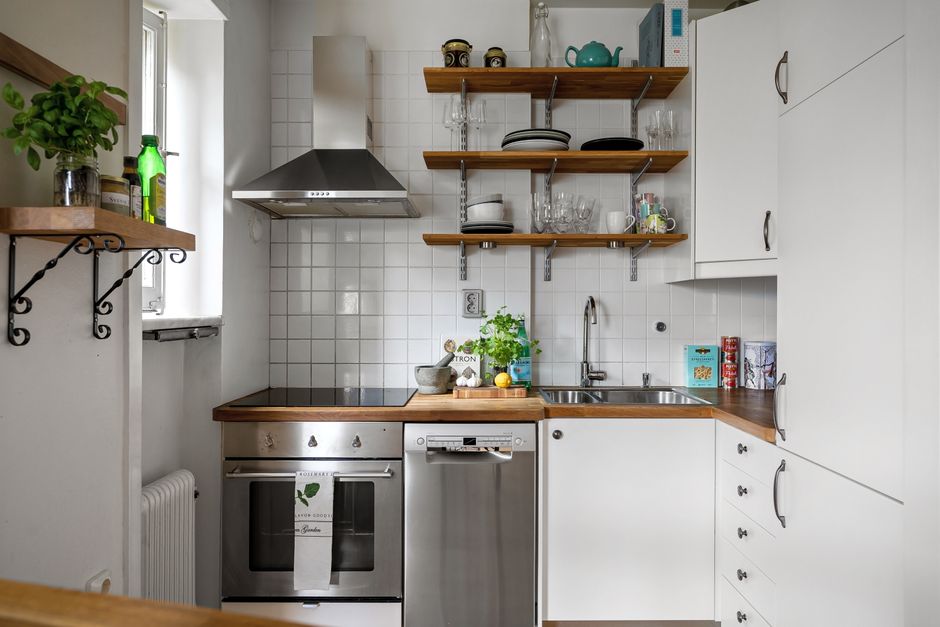
Install floating shelves or hanging rail systems to store frequently used items like cooking oils, salt, and everyday spices. These systems keep essentials visible and accessible while freeing up valuable counter real estate.
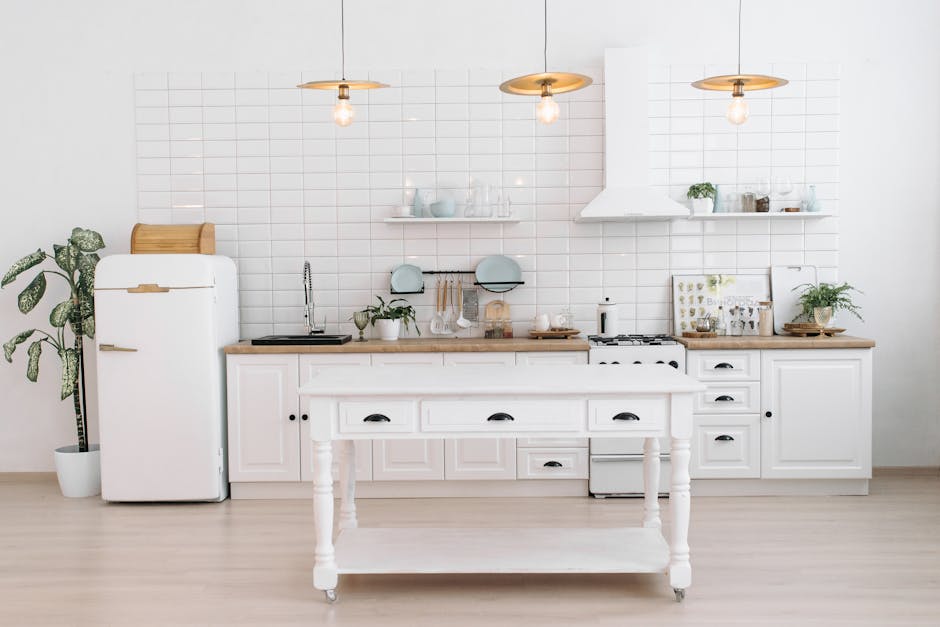
Rolling carts provide flexible storage that can be moved as needed. Use these mobile stations for coffee supplies, baking essentials, or as temporary prep space during large cooking projects.
Appliance garages – enclosed spaces that hide small appliances while keeping them plugged in and ready to use – maintain the clean aesthetic of clear countertops while ensuring convenience. This solution works particularly well for coffee makers, toasters, and blenders.
Magnetic strips mounted under cabinets can hold knives, spice jars with metal lids, or small metal tools, utilizing often-overlooked space while keeping items easily accessible.
Effective refrigerator organization extends food freshness, reduces waste, and streams meal preparation. Create designated zones for different food categories: dairy, leftovers, fresh produce, beverages, and condiments.
Use clear storage bins to corral small items like yogurt cups, cheese sticks, or sauce packets. These containers prevent items from getting lost in the depths of your refrigerator and make cleaning much easier.
Implement a labeling system for leftovers that includes both contents and date. This practice prevents mysterious containers from accumulating and helps you use food before it spoils.
For freezer organization, invest in flat storage containers that stack efficiently. Label everything clearly and maintain an inventory list posted on the outside to prevent forgotten items from developing freezer burn.
The FDA’s food storage recommendations provide essential guidelines for proper refrigerator organization, including optimal temperatures and storage locations for different food types.
Small kitchens require creative solutions that maximize every available inch. Wall-mounted fold-down tables provide temporary prep space when needed and fold flat against the wall when not in use.
Over-the-sink cutting boards expand your prep area without permanently consuming counter space. These boards should be designed specifically for your sink dimensions to ensure proper fit and stability.
Ceiling-mounted pot racks transform unused vertical space into practical storage while creating an attractive focal point. This solution works particularly well in kitchens with high ceilings.
Magnetic knife strips, spice containers, and tool holders utilize refrigerator sides and other metal surfaces for additional storage without requiring wall modifications.
Nesting bowls and stackable containers maximize cabinet efficiency by fitting multiple pieces in the space of one. Choose sets with locking lids to maintain organization and prevent spills.
Under-shelf baskets double the storage capacity of existing shelves by utilizing the space underneath. These wire baskets slide onto shelf edges and provide perfect storage for dish towels, paper goods, or lightweight items.
Modern technology offers innovative solutions for kitchen organization challenges. Smart inventory apps help track pantry contents, expiration dates, and shopping needs from your smartphone.
LED strip lighting inside cabinets and pantries improves visibility and makes it easier to locate items. Motion-activated options provide hands-free convenience while cooking.
Digital meal planning tools help organize recipes, create shopping lists, and plan weekly menus. These systems reduce food waste by helping you purchase only what you need and use ingredients efficiently.
Smart storage containers with built-in scales or vacuum sealing capabilities extend food freshness while providing portion control information.
QR code labeling systems allow you to store detailed information about contents, storage instructions, and expiration dates that can be accessed by scanning with your smartphone.
According to the Department of Energy, organized refrigerators and pantries can improve energy efficiency by reducing the time spent with doors open searching for items.
Successful kitchen organization requires ongoing maintenance and periodic reassessment. Schedule monthly organization reviews to ensure systems remain functional and make adjustments as needed.
Implement a “one in, one out” policy to prevent accumulation of unnecessary items. When purchasing new kitchen tools or gadgets, remove something you no longer use to maintain balanced storage levels.
Choose organizational products made from sustainable materials when possible. Bamboo drawer dividers, recycled plastic containers, and glass storage jars offer durability while supporting environmental responsibility.
Regular deep cleaning combined with organization maintenance prevents the buildup of grime and ensures your systems remain hygienic and functional.
Involve all household members in maintaining organization systems. Clear labeling and logical arrangements help everyone understand where items belong, reducing the likelihood of disorganization.
Transform your kitchen into an efficiently organized space that enhances your cooking experience and daily routine. With these comprehensive strategies and innovative solutions, you can create a functional, beautiful kitchen that meets your specific needs and lifestyle requirements. Remember that the best organizational system is one that you can realistically maintain long-term, so choose solutions that fit your habits and cooking style.




Leave a comment