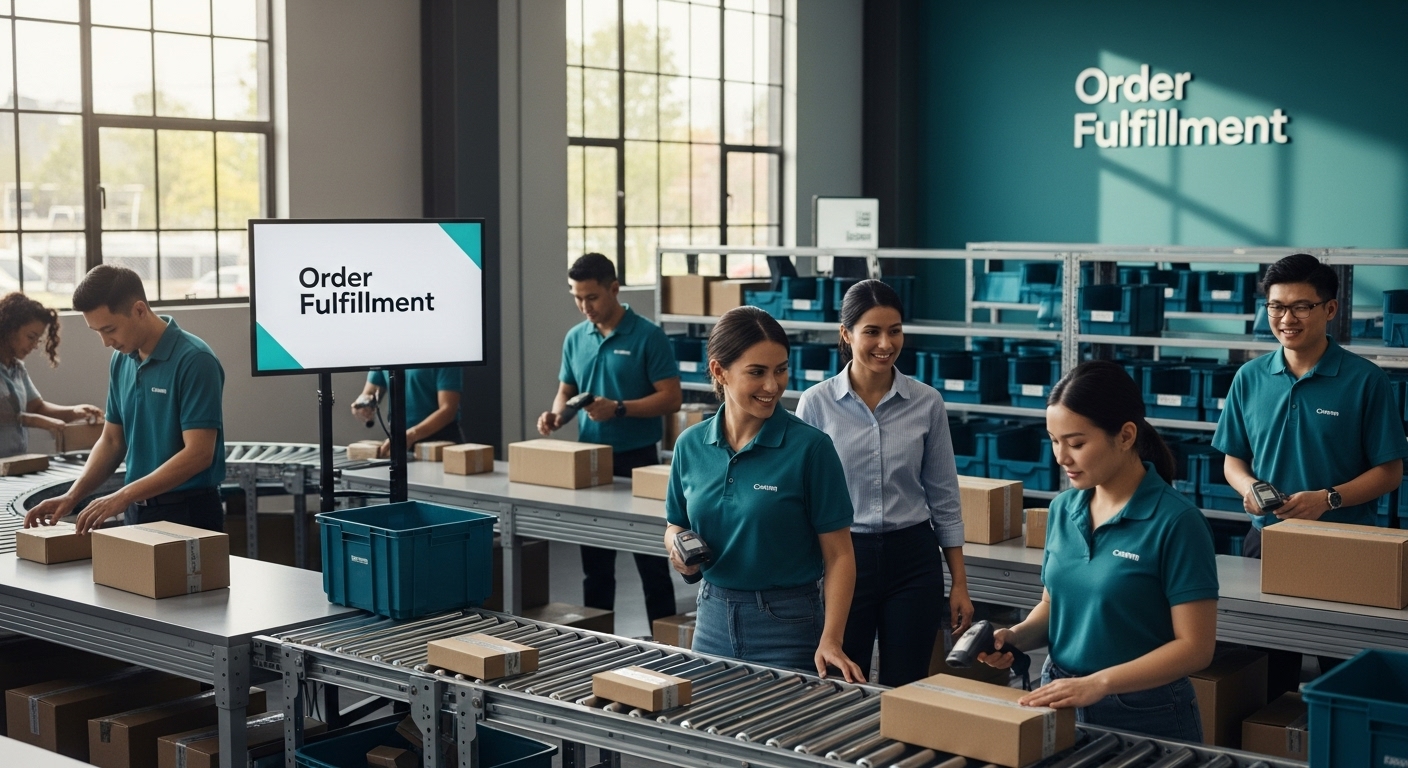
Order fulfillment sounds simple. A customer clicks buy and waits for a package to show up. Here is what surprises most people though. Fulfillment centers achieve accuracy rates over 99.9 percent in the best-run systems and yet a tiny mistake in this process can break customer trust instantly. The shocking part is that the true challenge is not about moving boxes but about creating memorable experiences that make shoppers come back again and again.
| Takeaway | Explanation |
|---|---|
| Optimize order fulfillment for customer loyalty | Efficient order fulfillment processes enhance customer satisfaction, leading to repeat business and brand loyalty. |
| Leverage technology for efficiency | Integrating advanced technologies like AI and automation improves accuracy and speeds up order processing. |
| Importance of transparent communication | Providing real-time tracking and clear updates fosters customer trust and reduces anxiety during the fulfillment process. |
| Focus on post-delivery support | Engaging with customers after delivery strengthens relationships and encourages positive word-of-mouth referrals. |
| Adapt to changing consumer expectations | Stay agile by meeting modern consumers’ demands for personalized and instantaneous delivery experiences. |
Order fulfillment represents the comprehensive process that transforms a customer’s purchase into a delivered product.
The table below summarizes the main components of the order fulfillment process and briefly explains the function of each element.
| Component | Description |
|---|---|
| Order Receiving and Processing | Accepting and validating customer orders before fulfillment begins. |
| Inventory Management | Tracking stock levels and verifying product availability. |
| Picking and Packaging | Selecting ordered products and packaging them securely. |
| Shipping and Delivery | Coordinating shipment and ensuring timely delivery to customers. |
| Post-Delivery Communication | Engaging with customers after delivery for support and feedback. |
At its essence, order fulfillment is a strategic sequence of activities that businesses execute to process, handle, and deliver customer orders efficiently. According to research from Illinois University, the process involves multiple interdependent tasks executed by different functional entities within an organization.
The primary components of order fulfillment typically include:
Order fulfillment goes beyond simple product delivery. It represents a critical touchpoint that directly influences customer satisfaction, brand reputation, and overall business performance. A seamless order fulfillment process can transform a one-time purchaser into a loyal, repeat customer.
Businesses that master order fulfillment create competitive advantages by:
In the modern digital marketplace, where consumer expectations continue to rise, understanding and optimizing order fulfillment is no longer optional—it’s a fundamental requirement for sustainable business success.
E-commerce has transformed the way businesses interact with customers, making order fulfillment a critical component of digital retail success. The ability to efficiently process, manage, and deliver products directly impacts a company’s reputation, customer satisfaction, and long-term profitability.
According to the Order Fulfillment Solutions Industry Group, efficient order fulfillment systems can achieve remarkable accuracy rates exceeding 99.9%. This level of precision translates into significant operational advantages for businesses, including:
In the digital marketplace, order fulfillment is no longer just a logistical process—it is a critical touchpoint that shapes customer perception. When customers place an online order, they are not just purchasing a product but investing in an experience. A seamless, transparent, and swift fulfillment process can transform a routine transaction into a memorable interaction that encourages repeat business.
Key factors that influence customer satisfaction include:
Businesses that prioritize and optimize their order fulfillment strategies gain a significant edge in the competitive e-commerce landscape. By investing in robust systems, advanced technologies, and customer-centric processes, companies can differentiate themselves and create lasting value. The ability to consistently meet and exceed customer expectations becomes a powerful marketing tool in itself, driving brand loyalty and positive word-of-mouth recommendations.
Order fulfillment represents a complex ecosystem of interconnected processes that transform a customer’s digital purchase into a physical product delivery. Understanding the intricate mechanics behind this system reveals the sophisticated logistics that power modern e-commerce operations.
According to GeeksforGeeks, the order fulfillment process encompasses several critical stages that work seamlessly to ensure customer satisfaction. These stages form a comprehensive workflow designed to manage inventory, process orders, and execute timely deliveries.
The fundamental components of order fulfillment include:
Modern order fulfillment has evolved beyond manual processes, leveraging advanced technologies to enhance speed, accuracy, and efficiency. Automated systems now play a crucial role in transforming how businesses handle customer orders, reducing human error and accelerating transaction times.
The table below provides a comparison of traditional and technology-driven order fulfillment methods, highlighting their key features and advantages based on information in the article.
| Approach | Key Features | Main Advantages |
|---|---|---|
| Traditional Fulfillment | Manual order handling and limited automation | Basic implementation, lower upfront cost |
| Technology-Driven Fulfillment | Automation, AI, and real-time data integration | Increased accuracy, speed, scalability |
Key technological innovations driving order fulfillment include:
Successful order fulfillment goes beyond mere logistical execution. It represents a strategic opportunity to build customer trust, create positive brand experiences, and differentiate a business in a competitive marketplace. By implementing robust, transparent, and efficient fulfillment processes, companies can transform a routine transaction into a memorable customer interaction that encourages loyalty and repeat business.
Customer experience extends far beyond the moment of product selection. Order fulfillment represents a critical interaction point that significantly shapes customer perception, satisfaction, and future purchasing behaviors. How businesses manage this process can transform a simple transaction into a lasting relationship.
According to research published in the National Center for Biotechnology Information, the condition and manner of product delivery profoundly influence customer trust and emotional engagement. The physical journey of a product from warehouse to doorstep becomes a tangible representation of a brand’s commitment to customer care.
Key psychological touchpoints during order fulfillment include:
Order fulfillment performance directly correlates with customer loyalty and potential repeat business. Customers evaluate their experience through multiple lenses, assessing everything from initial order placement to final product reception. Businesses that excel in these nuanced interactions can differentiate themselves in a competitive marketplace.
Critical satisfaction metrics encompass:
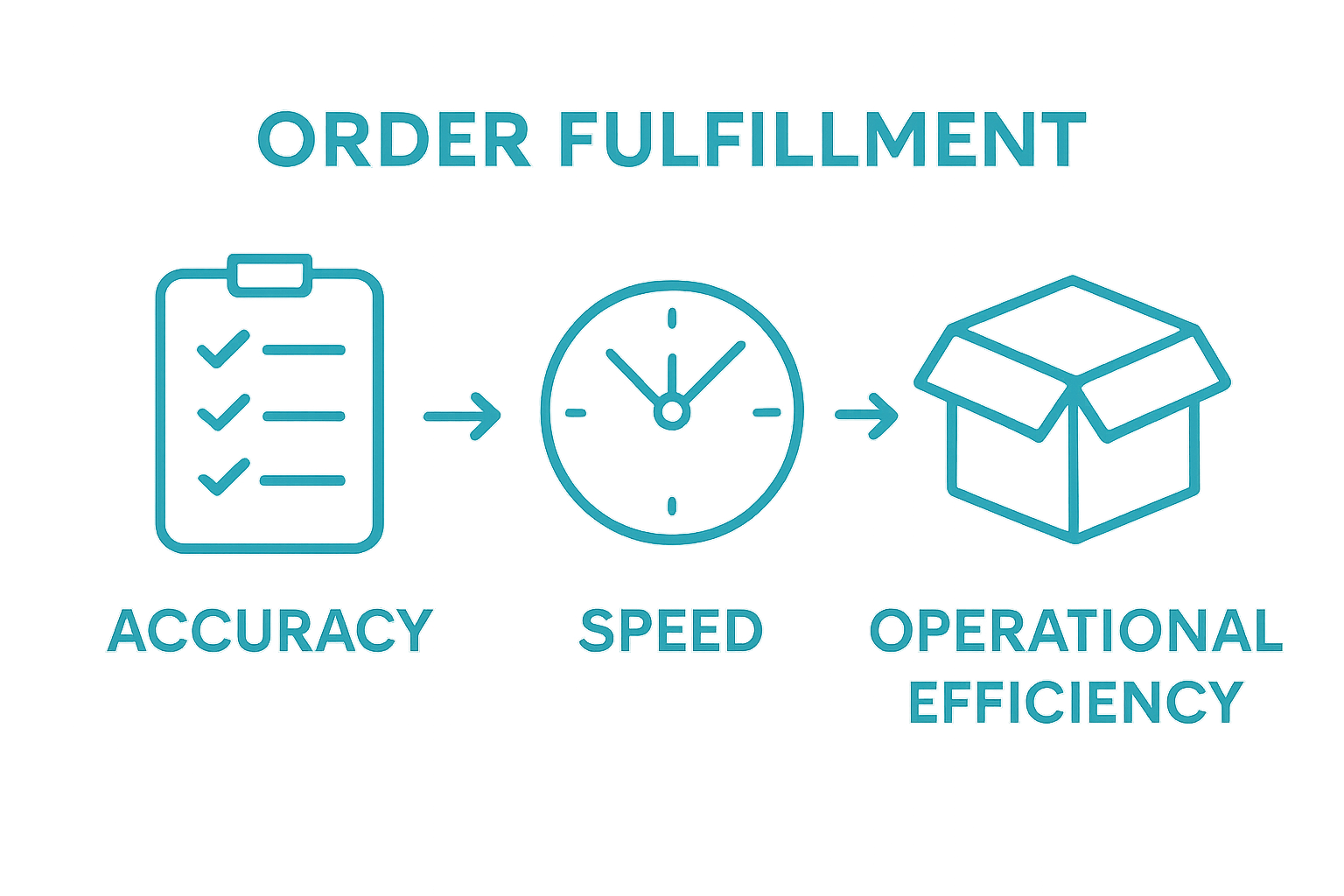
Effective order fulfillment transcends immediate transactional success. It serves as a strategic mechanism for building brand reputation, generating positive word-of-mouth referrals, and establishing a sustainable customer relationship ecosystem. By consistently meeting and exceeding delivery expectations, businesses can transform routine transactions into powerful marketing opportunities that resonate long after the initial purchase.

The landscape of order fulfillment is rapidly evolving, driven by technological advancements, changing consumer expectations, and the continuous transformation of digital commerce. Businesses must stay agile and innovative to meet the increasingly sophisticated demands of modern consumers.
According to the UC Berkeley Labor Center, the e-commerce growth is fundamentally reshaping warehouse operations and order fulfillment strategies. The rise of online shopping has accelerated the adoption of cutting-edge technologies designed to enhance efficiency, accuracy, and speed.
Key technological trends transforming order fulfillment include:
Modern consumers demand more than just product delivery—they expect personalized, transparent, and instantaneous experiences. This shift has compelled businesses to rethink traditional fulfillment models and explore innovative shipping solutions. The ability to meet these evolving expectations has become a critical differentiator in a competitive marketplace.
Emergent consumer-centric fulfillment strategies involve:
Successful order fulfillment is no longer about merely moving products from point A to point B. It has transformed into a complex, strategic ecosystem that requires continuous innovation, technological investment, and a deep understanding of changing market dynamics. Companies that can effectively adapt to these emerging trends will be best positioned to thrive in the rapidly evolving digital commerce landscape.
Are you tired of waiting for your orders to arrive late or worrying about whether you will actually get what you paid for? As highlighted in our article on order fulfillment, the challenges of slow deliveries, unclear tracking, and packaging mistakes can destroy your trust and leave you feeling frustrated. At mrs.mattie.com, we understand the importance of a smooth order fulfillment process and how it can transform your entire shopping experience. When you shop with us, you benefit from fast worldwide shipping, accurate stock updates, and secure packaging—solutions designed to meet the exact needs explored in our in-depth guide.

Ready to experience what efficient order fulfillment really means? Visit our homepage to discover new arrivals and exclusive deals, knowing that every purchase is supported by secure payments and dedicated customer care. Shop now for a stress-free, reliable online shopping journey—your next order could be on its way today.
Order fulfillment is the comprehensive process that transforms a customer’s purchase into a delivered product, involving various tasks such as receiving orders, managing inventory, picking, packaging, shipping, and post-delivery communication.
Order fulfillment is crucial as it directly influences customer satisfaction and brand reputation. A seamless fulfillment process can lead to repeat customers, reduced operational costs, and minimized shipping errors.
Technology enhances order fulfillment through automation and advanced systems, such as warehouse management systems and real-time inventory tracking, improving speed, accuracy, and operational efficiency.
Customer satisfaction in order fulfillment is influenced by accurate real-time order tracking, timely delivery, secure packaging, clear communication about order status, and hassle-free return and exchange processes.




Leave a comment