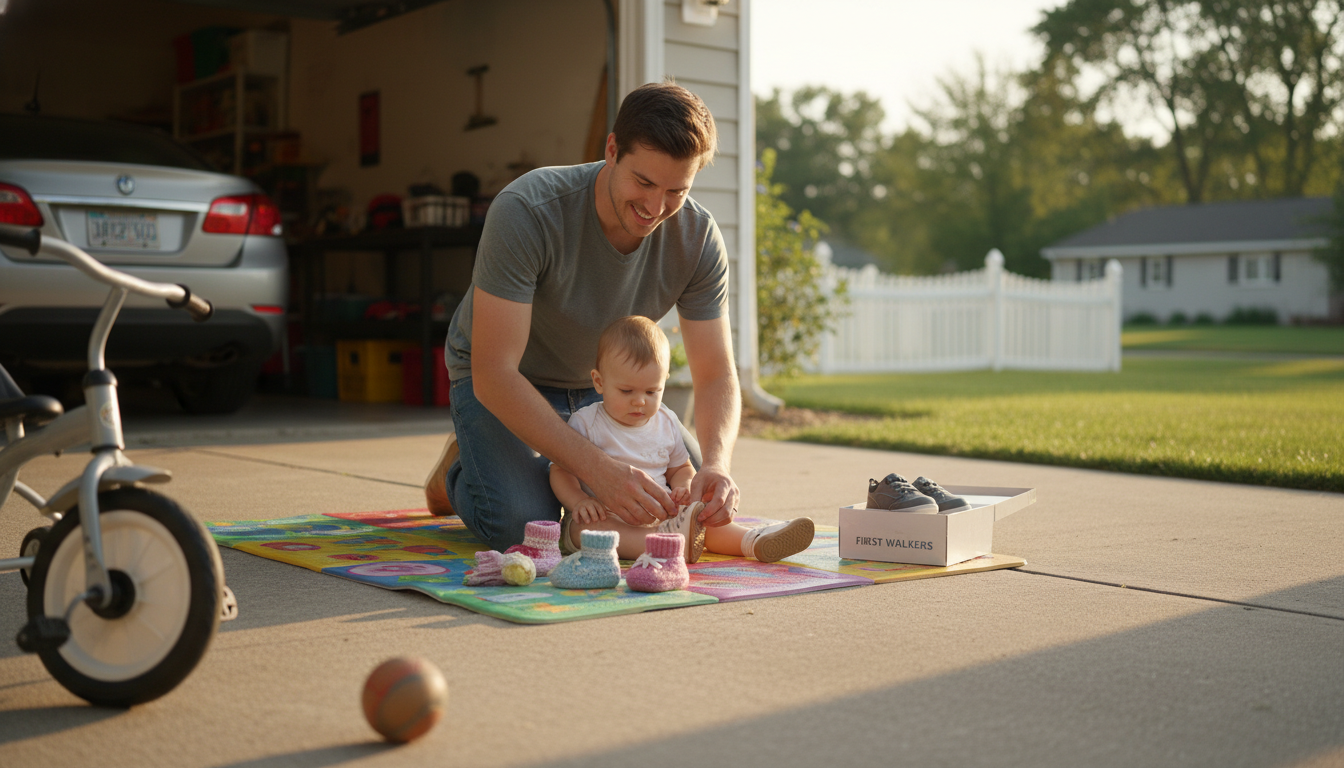
Most babies can wear booties from birth through the early walking stage, but the “right” end date depends more on mobility than age. Booties are great for keeping little feet warm, protecting skin, and adding gentle grip for babies who are wiggling, rolling, and crawling. Once your baby starts standing and cruising, you’ll want to pay closer attention to fit, traction, and flexibility—and once they’re walking confidently outdoors, a more structured shoe often becomes the better option.
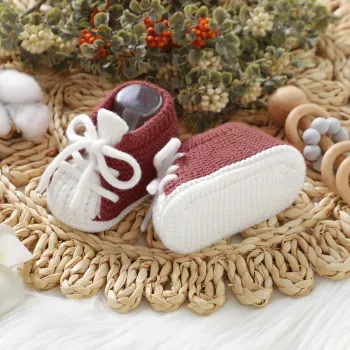
In the first months, booties are mainly about temperature regulation and cozy comfort. Soft, breathable booties help prevent chilly toes without restricting movement. Look for gentle cuffs or ties that keep them on without leaving marks, and avoid anything stiff around the ankle.
When babies start scooting and crawling, booties can still be a good choice as long as they don’t slip off or bunch under the foot. A secure (but not tight) ankle helps, and a flexible sole allows the foot to bend naturally while your baby explores. If your baby frequently kicks them off, consider saving booties for stroller rides, naps, or colder rooms.
As soon as your baby begins pulling to stand, booties should have enough traction to reduce slipping on wood or tile. They should also be roomy at the toes and flexible at the ball of the foot. If the bootie twists easily, slides off during standing, or causes your baby to slip, it’s time to switch styles or go barefoot indoors when safe.
For new walkers, many families still use booties indoors if they’re soft, non-slip, and don’t interfere with balance. Outdoors, however, booties typically don’t offer enough protection from rough surfaces or weather. A simple test: if the bootie’s sole wears quickly, lets moisture in, or your child trips more often while wearing them, transition to a proper first-walker shoe for outside and keep booties for warmth inside.
For more tips on choosing warm, comfortable booties that actually stay on, see the complete guide here: https://mrsmattie.com/blog/guide-knitted-baby-booties-warm-stay-on-comfort-guide/.
A good fit feels snug at the ankle but leaves wiggle room at the toes, with no red marks after wearing. If the bootie twists easily on the foot or keeps sliding off, it’s either too big or not secure enough for your baby’s activity level.


Leave a comment