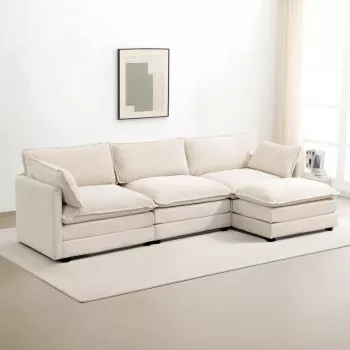
Modular sofas are popular because they’re flexible, easy to expand, and can be rearranged for movie nights, guests, or a new layout. That same “build-your-own” design can come with a few tradeoffs worth knowing before buying.
Because modular sofas are made of individual pieces, they may slide apart over time—especially on smooth flooring or in high-traffic rooms. Many sets use connectors to reduce movement, but even then you may need to periodically realign the pieces or add grippers/rugs for stability.
On a modular sofa, some seats may feel firmer or softer depending on where the supports and connectors sit. You may also notice seams between modules when lounging across multiple sections, which can be less “one-piece sofa” smooth than a traditional couch.
Extra joints and edges can show wear sooner, particularly on lighter fabrics or textured upholstery. If the modules aren’t rotated or used evenly, one piece (like the “favorite” corner seat) can start to look older than the rest.
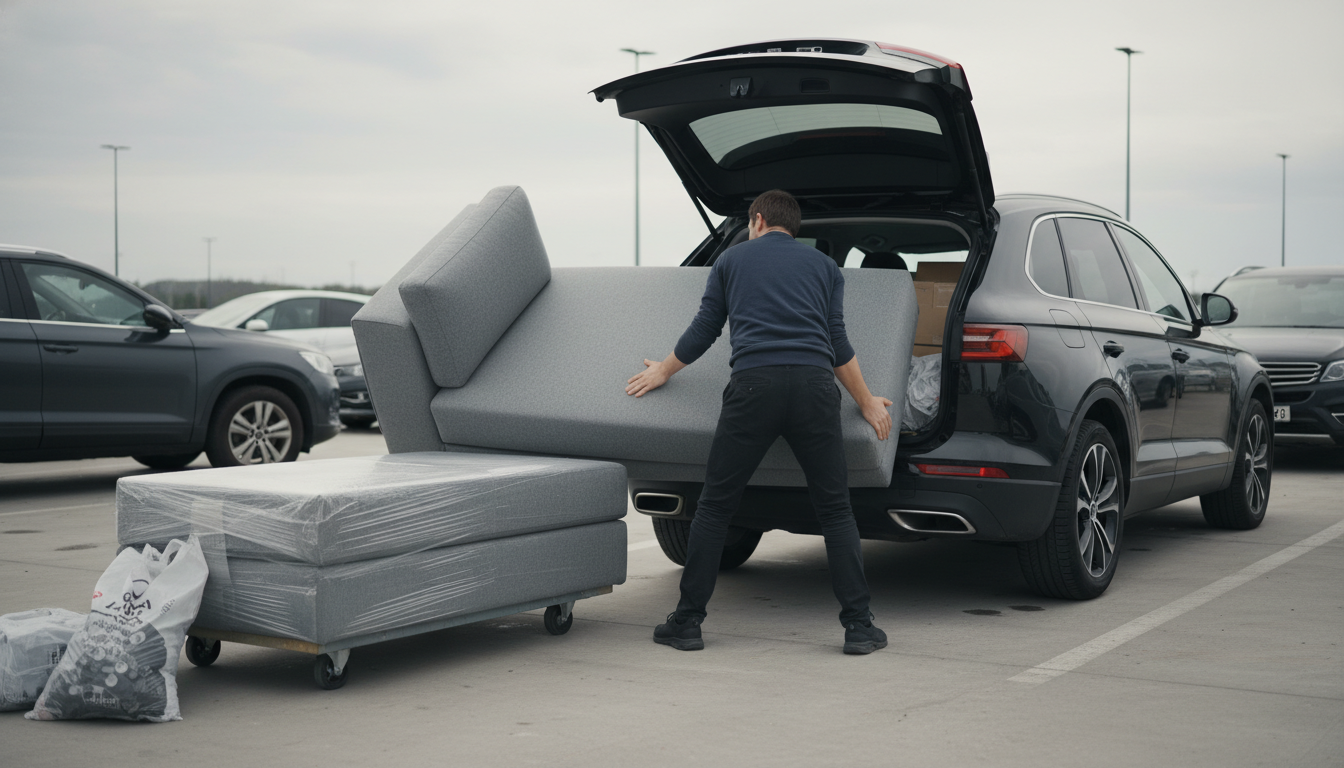
Modular designs can be bulky, and certain configurations may not work well with tight doorways, radiators, or awkward corners. It’s also possible to end up with a setup that looks slightly “off” if the modules don’t match your room’s proportions or if you don’t have enough space for clean walkways.
If one module is damaged, replacing a single piece sounds easy—but the exact fabric dye lot, texture, or cushion fill may change over time. That can make a new module look mismatched, even within the same product line.
Some modular sofas are priced competitively, but expanding later with extra seats or ottomans can be expensive. Delivery fees may also increase when multiple large boxes or pieces are involved.
For a detailed look at a spacious, family-friendly option and what to consider when choosing a configuration, visit this guide to an oversized corduroy modular sectional with a movable ottoman.
They can be, as long as the individual pieces fit through doorways and the final configuration leaves enough walking room. Choosing armless or slimmer modules and skipping oversized corner pieces often works best in tighter rooms.






Leave a comment