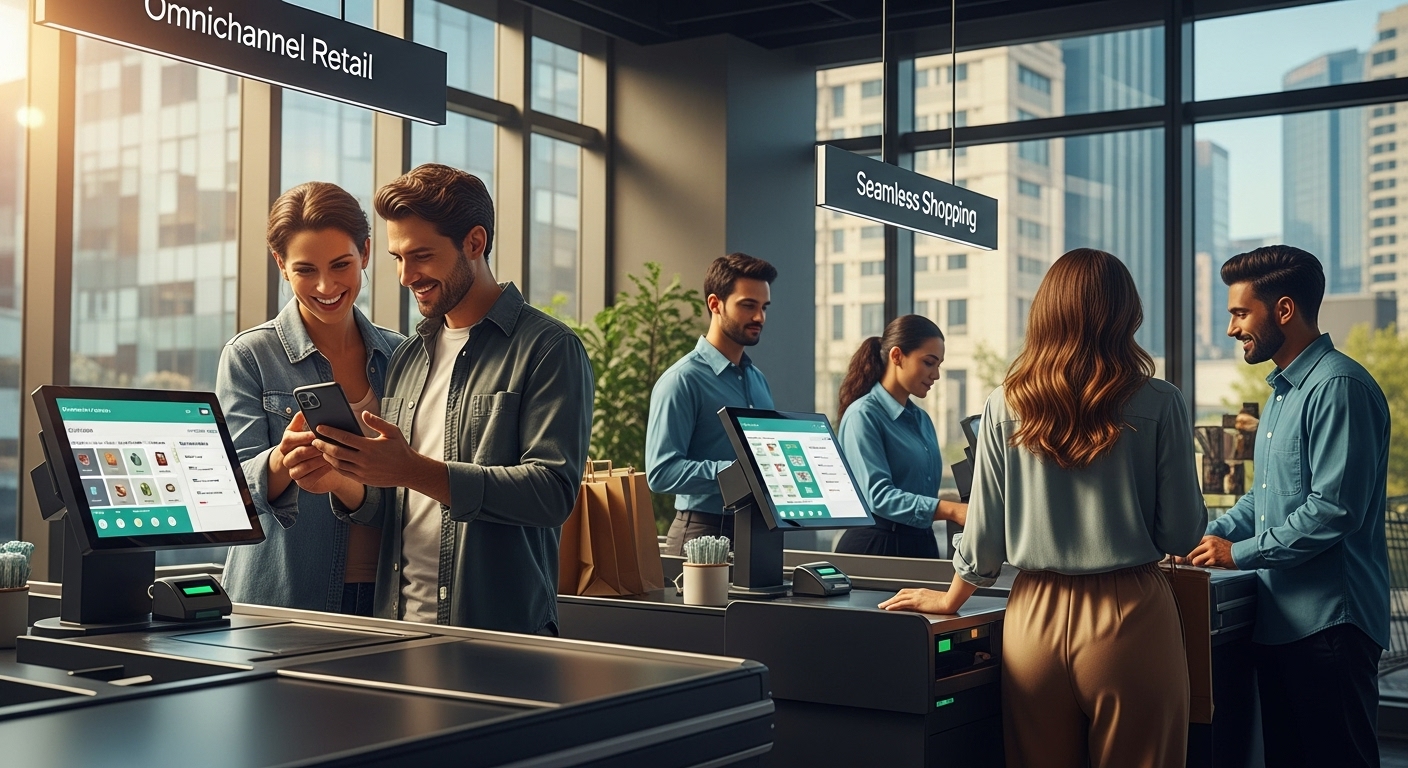
Shopping used to mean choosing between a website or a store, but all that has changed. Now, 73 percent of shoppers use multiple channels in a single purchase journey. What might surprise you is that most consumers hardly notice the difference between online and physical shopping anymore. The real shift is that brands are finally catching up and making these transitions so smooth, it feels like there are no channels at all.
| Takeaway | Explanation |
|---|---|
| Omnichannel retail integrates all sales channels | It combines online and offline shopping for a seamless customer experience. |
| Personalization enhances shopping experiences | Data-driven recommendations make interactions more relevant and engaging for customers. |
| Flexibility in purchase options is essential | Customers value choices like buying online and picking up in-store or home delivery. |
| Real-time inventory management is crucial | Synchronizing stock across platforms ensures customers have access to product availability instantly. |
| A customer-centric design is foundational | Focusing on customer needs and preferences creates intuitive and enjoyable shopping journeys. |
Omnichannel retail represents a comprehensive approach to creating a seamless shopping experience across multiple channels and touchpoints. Unlike traditional retail strategies that operate each sales channel independently, omnichannel retail integrates digital and physical platforms to provide customers with a consistent, interconnected shopping journey.
At its essence, omnichannel retail is about recognizing that modern consumers do not distinguish between online and offline shopping experiences. Customers expect to interact with brands through various channels including websites, mobile apps, social media platforms, physical stores, and telephone support. The primary goal is to create a unified and fluid shopping experience that allows customers to move effortlessly between different platforms without friction.
According to MIT Sloan Management Review, this integrated approach means that a customer might research a product on their smartphone, compare prices on a laptop, try the item in a physical store, and ultimately complete the purchase through a different channel entirely.
The fundamental characteristics that define omnichannel retail include:
By breaking down traditional barriers between sales channels, omnichannel retail transforms how businesses connect with consumers, recognizing that modern shoppers demand convenience, flexibility, and a holistic brand experience that transcends individual platforms.
The following table summarizes the fundamental characteristics of omnichannel retail, organizing core features that define this approach.
| Characteristic | Description |
|---|---|
| Seamless Channel Integration | Provides consistent pricing, inventory, and experience across all sales platforms |
| Personalized Customer Interactions | Uses customer data to offer tailored recommendations and support |
| Flexible Purchase and Delivery | Offers options like buy online, pick up in-store, or direct shipping |
| Unified Brand Experience | Maintains brand consistency at every touchpoint, whether online or in-store |
| Real-Time Inventory Synchronization | Updates product availability instantly between physical and digital channels |
| Consistent Customer Profiles | Keeps customer details unified across all shopping experiences |
| Data-Driven Insights | Leverages analytics to improve cross-channel interactions and predict consumer preferences |
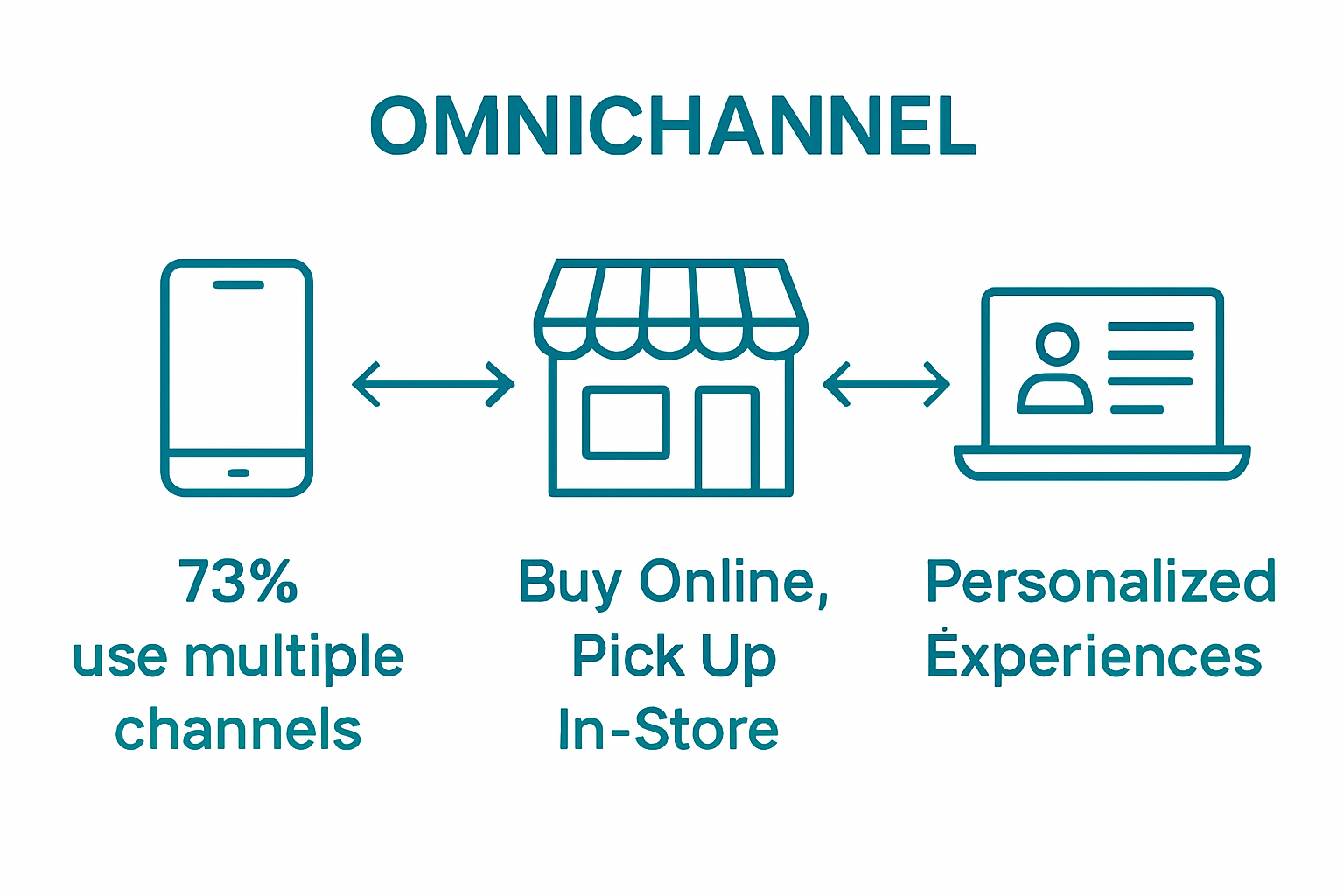
Omnichannel retail fundamentally transforms consumer shopping experiences by providing unprecedented convenience, flexibility, and personalization. This approach goes beyond traditional retail models by recognizing that modern consumers demand seamless interactions across multiple platforms and touchpoints.
Consumers benefit significantly from omnichannel strategies through increased accessibility and streamlined shopping experiences. Shoppers can now research products, compare prices, and complete purchases through multiple channels without interruption. For instance, a customer might browse product details on a mobile app, try an item in a physical store, and then complete the purchase online from home.
According to Harvard Business Review, 73% of consumers use multiple channels during their shopping journey, demonstrating the critical importance of integrated retail experiences that adapt to individual preferences and behaviors.
Omnichannel retail enables highly personalized consumer interactions by leveraging data across different platforms. Key personalization benefits include:
These personalized approaches help consumers feel understood and valued, ultimately enhancing their overall shopping experience and brand loyalty.
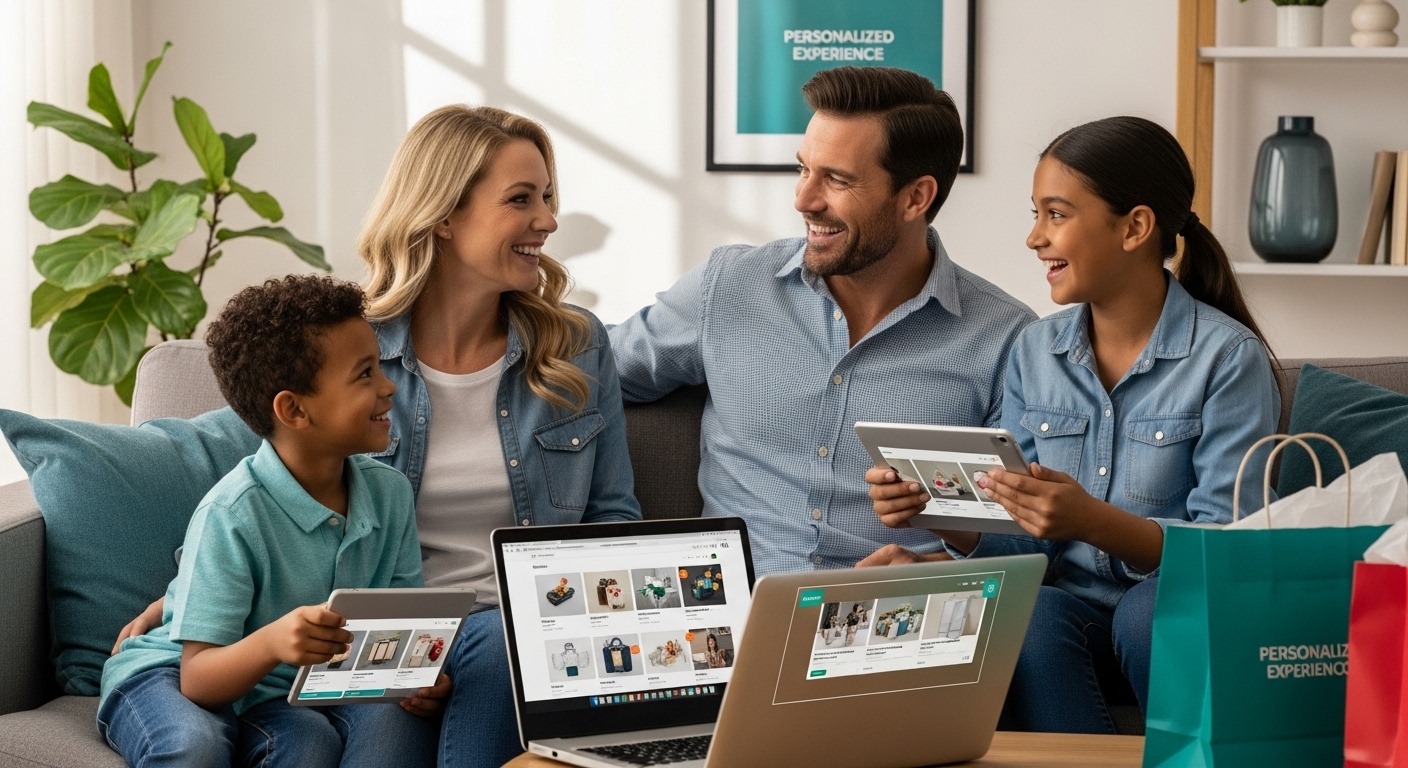 By breaking down traditional barriers between online and offline retail, omnichannel strategies provide consumers with unprecedented control and flexibility in how they discover, evaluate, and purchase products.
Omnichannel retail operates through a sophisticated technological infrastructure that enables seamless integration across multiple sales platforms. This complex system requires advanced technological capabilities, strategic data management, and sophisticated customer experience design.
Integrated technology platforms form the backbone of omnichannel retail. These systems connect various touchpoints including mobile apps, websites, physical stores, and customer service centers, creating a unified customer database. Advanced software solutions track customer interactions, preferences, and purchase history across different channels, enabling businesses to create comprehensive customer profiles.
According to MIT Technology Review, successful omnichannel strategies rely on real-time inventory management systems that synchronize stock levels across online and offline platforms, allowing customers to check product availability instantly.
Omnichannel retail leverages sophisticated data analytics to personalize customer experiences. Key components of this approach include:
This approach allows retailers to understand cross-selling opportunities by analyzing customer purchase patterns and recommending complementary products across different channels.
By integrating advanced technologies, data analytics, and customer-centric design, omnichannel retail creates a fluid, personalized shopping experience that transcends traditional retail boundaries. The goal is to provide customers with a consistent, convenient, and highly responsive shopping journey that adapts to their individual preferences and behaviors.
Omnichannel retail requires sophisticated strategies that go beyond simple technological integration. Successfully implementing an omnichannel approach demands a holistic understanding of customer behavior, technological capabilities, and organizational alignment.
Effective omnichannel strategies focus on creating a seamless customer experience across multiple platforms. This means developing robust technological infrastructures that allow real-time data synchronization, consistent pricing, and unified customer profiles. Retailers must invest in technologies that enable customers to transition smoothly between online and offline channels without experiencing friction or inconsistency.
According to Harvard Business Review, successful omnichannel approaches require breaking down internal organizational silos and creating cross-functional teams dedicated to delivering integrated customer experiences.
Omnichannel retail strategies prioritize understanding and anticipating customer needs. Key design principles include:
These strategies enable retailers to explore cross-selling opportunities by understanding customer preferences and creating targeted, relevant recommendations.
By embracing a comprehensive approach that combines technological innovation, data-driven insights, and customer-centric design, businesses can create omnichannel experiences that meet the evolving expectations of modern consumers. The ultimate goal is to provide a fluid, personalized shopping journey that feels effortless and engaging across all interaction points.
Are you tired of shopping experiences that feel disconnected or inconsistent across different platforms? The challenge discussed in the article highlights how customers seek a truly unified and flexible journey—whether browsing new styles, searching for the latest tech gadgets, or hunting for a perfect accessory. Shoppers want to move easily from one device to another, receiving personalized recommendations and reliable support at every step. That is the heart of an effective omnichannel strategy and exactly what you deserve.
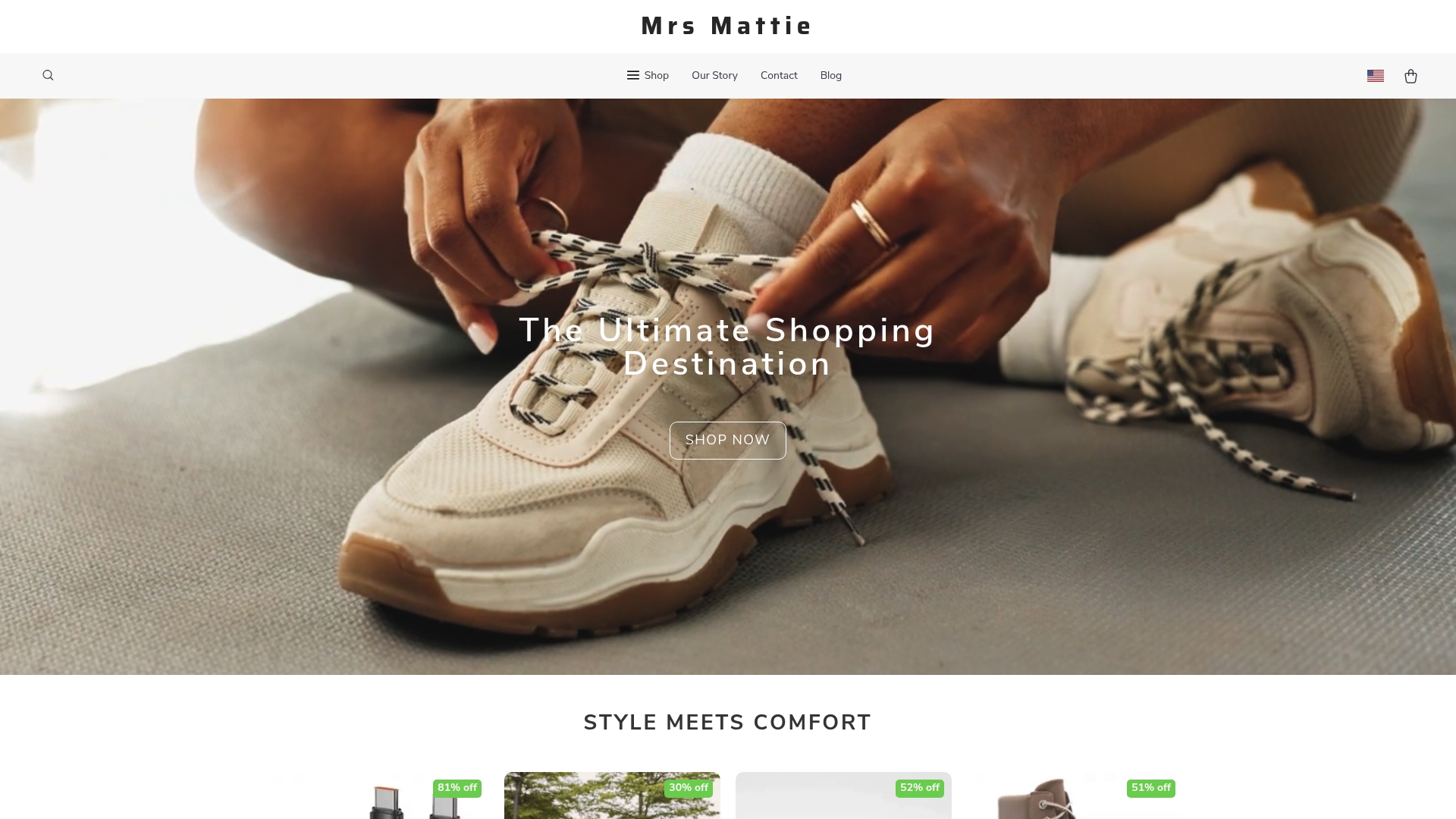
Discover what effortless shopping really means at mrs.mattie.com. Enjoy fast worldwide shipping, secure checkout, and expert customer care for every product. You can shop for special deals and fresh arrivals with confidence and convenience. Take the next step toward an integrated, stress-free experience and start browsing our diverse selection today—your new favorite find might only be one click away.
Omnichannel retail refers to a comprehensive approach that creates a seamless shopping experience across multiple channels, integrating digital and physical platforms for a unified customer journey.
Omnichannel retail enhances consumer convenience by allowing seamless interactions across various platforms, offering flexible purchase and delivery options, and personalizing product recommendations based on customer data.
Key technologies in omnichannel retail include integrated technology platforms that synchronize customer data, real-time inventory management systems, and data analytics tools that help personalize shopping experiences.
An effective omnichannel strategy features seamless channel integration, personalized customer interactions, and flexible purchase options, ensuring a consistent experience across both online and offline channels.




Leave a comment