HomeBlogBlogBudget-Friendly Fashion: Thrift, Resale & Wardrobe Plan

Budget-Friendly Fashion: Thrift, Resale & Wardrobe Plan

Budget-Friendly Fashion: Thrift, Resale & Wardrobe Plan

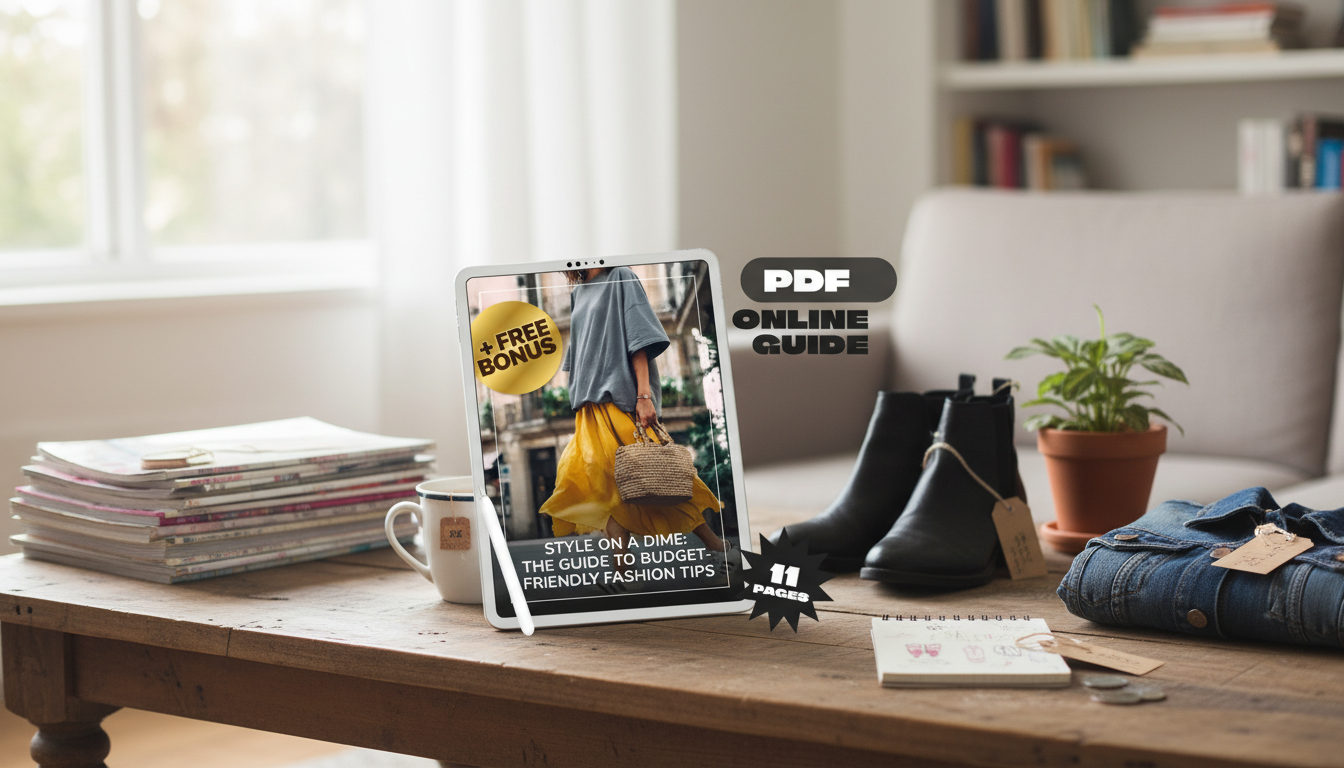
Style on a Dime: Budget-Friendly Fashion Tips, Thrift Finds, and a Wardrobe Plan That Works

Affordable style gets easier when purchases are guided by a plan instead of impulse. When you know your colors, favorite silhouettes, and real-life needs, it becomes much simpler to thrift confidently, shop resale without guesswork, and build outfits that look intentional—even with a smaller closet and a smaller budget.

Start With a Simple Style Blueprint

A budget-friendly wardrobe works best when every “yes” is filtered through a few consistent choices. You’re not limiting style—you’re making it repeatable.

  • Choose 2–3 style words (like polished, relaxed, modern) and use them to quickly approve or reject items.
  • Identify go-to silhouettes you actually wear (high-rise straight jeans, midi skirts, oversized button-downs) and prioritize those shapes first.
  • Pick a core color palette: start with neutrals, then add two accent colors that play well together for easier mixing.
  • Save 10 outfit photos you’d wear tomorrow and look for repeating patterns (necklines, shoe types, layering pieces) instead of chasing every micro-trend.

Budget Rules That Keep Style Consistent

Consistency is what makes a closet look “expensive.” A few simple rules prevent random buys from creating a pile of nothing-to-wear.

  • Set a monthly clothing budget and keep a separate replacement fund for essentials that wear out (bras, sneakers, work pants).
  • Try one-in, one-out if your closet feels crowded. It forces better choices and highlights duplicates.
  • Use a 24-hour wait rule for non-essential purchases to avoid cart-driven decisions.
  • Spend more on high-friction items (shoes, denim, bras, outerwear) and save on trend accents.

Where to Spend vs. Where to Save

Category Spend When Save When
Shoes Daily wear, supportive insoles, real leather or durable materials Occasional styles, special-event heels, simple flats
Denim & pants Perfect fit, strong seams, consistent brand sizing Seasonal colors, wide-leg experiments, casual weekend pairs
Tops High-rotation basics (tees, tanks, button-downs) Statement prints, one-season trends
Outerwear Cold-weather coats, waterproof layers, structured blazers Light jackets, fashion-only layers
Accessories Everyday bag and belt, classic jewelry metals Trendy earrings, novelty bags, seasonal scarves

Thrift Shopping Secrets That Actually Pay Off

Thrifting gets way more rewarding when you shop like a curator, not a browser. The goal is fewer “maybe” items and more long-term staples.

  • Go with a list: pick 3–5 targeted items (like a black cardigan, straight jeans, or a white sneaker) so you don’t get distracted.
  • Shop by fabric and construction first (cotton, wool, linen, silk, sturdy knits) rather than trusting the size tag.
  • Scan stress points: underarms, inner thighs, elbows, and zipper areas show wear quickly.
  • Look for easy fixes: missing buttons, minor pilling, and loose hems are often inexpensive upgrades.
  • Learn store rhythms: ask about new-stock days and discount schedules so you shop when the odds are best.
  • Try the “one great thing” rule: leave with one standout piece instead of five maybes.

Shopping secondhand can also reduce textile waste and extend the life of quality clothing—an approach aligned with broader sustainability goals noted by the EPA’s textile waste data.

Smart Secondhand: Online Resale Without the Guesswork

Online resale can save serious money, but only when you buy with measurements and specifics—not vibes.

  • Use measurements, not sizes: compare flat-lay measurements to a favorite item you already own.
  • Search by fabric and cut keywords (like “wool blazer” or “high rise straight leg”) to filter better than brand names alone.
  • Ask for close-ups of labels, stitching, and wear on cuffs/collars before you commit.
  • Bundle orders to reduce shipping costs and increase value per item.
  • Save searches and set alerts for wardrobe gaps so shopping happens when the right piece appears.

For general secondhand buying tips and consumer basics, the Federal Trade Commission’s consumer guidance is a helpful reference point.

Wardrobe Planning: Build Outfits First, Then Shop

A wardrobe plan keeps your budget from leaking out through “almost-right” purchases. Instead of buying items and hoping they work, build outfits on purpose.

Easy Upgrades That Make Affordable Clothes Look Intentional

Make It Last: Care Habits That Protect the Budget

Shopping thrift can also support community programs; organizations like Goodwill share how donations and resale help fund job training and local initiatives.

A Practical Next Step: A Budget-Friendly Style Guide You Can Use Anytime

FAQ

How can a wardrobe look expensive on a small budget?

Focus on fit, fabric, and a consistent color palette, then keep shoes in good shape and steam or press regularly. Limiting loud trends, tailoring key pieces, and sticking to a simple accessory formula also makes outfits look intentional.

What are the best items to buy secondhand?

Coats, blazers, wool sweaters, denim, leather bags, and belts are often great secondhand finds because quality materials hold up well. Skip items with hygiene concerns and be cautious with worn-out athletic shoes or heavily stretched knits unless they’re in like-new condition.

How do you plan a wardrobe without buying a whole new closet?

Plan outfits first, then identify true gaps before shopping. Use a “works with 3 outfits” rule for new pieces and build a small seasonal capsule around your lifestyle needs (work, weekends, weather) so everything mixes easily.

Was this article helpful?

Yes No
Leave a comment
Top

Shopping cart

×