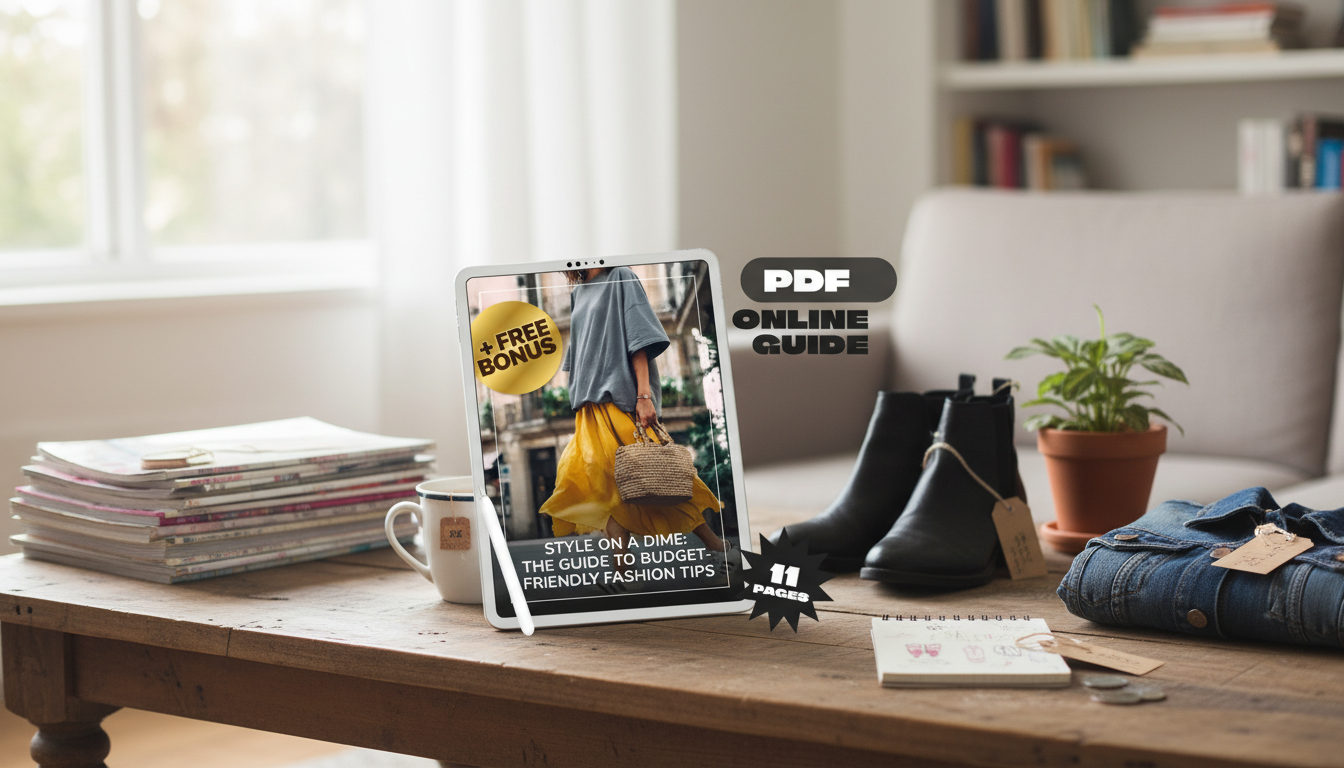
Affordable style gets easier when purchases are guided by a plan instead of impulse. When you know your colors, favorite silhouettes, and real-life needs, it becomes much simpler to thrift confidently, shop resale without guesswork, and build outfits that look intentional—even with a smaller closet and a smaller budget.
A budget-friendly wardrobe works best when every “yes” is filtered through a few consistent choices. You’re not limiting style—you’re making it repeatable.
Consistency is what makes a closet look “expensive.” A few simple rules prevent random buys from creating a pile of nothing-to-wear.
| Category | Spend When | Save When |
|---|---|---|
| Shoes | Daily wear, supportive insoles, real leather or durable materials | Occasional styles, special-event heels, simple flats |
| Denim & pants | Perfect fit, strong seams, consistent brand sizing | Seasonal colors, wide-leg experiments, casual weekend pairs |
| Tops | High-rotation basics (tees, tanks, button-downs) | Statement prints, one-season trends |
| Outerwear | Cold-weather coats, waterproof layers, structured blazers | Light jackets, fashion-only layers |
| Accessories | Everyday bag and belt, classic jewelry metals | Trendy earrings, novelty bags, seasonal scarves |
Thrifting gets way more rewarding when you shop like a curator, not a browser. The goal is fewer “maybe” items and more long-term staples.
Shopping secondhand can also reduce textile waste and extend the life of quality clothing—an approach aligned with broader sustainability goals noted by the EPA’s textile waste data.
Online resale can save serious money, but only when you buy with measurements and specifics—not vibes.
For general secondhand buying tips and consumer basics, the Federal Trade Commission’s consumer guidance is a helpful reference point.
A wardrobe plan keeps your budget from leaking out through “almost-right” purchases. Instead of buying items and hoping they work, build outfits on purpose.
Shopping thrift can also support community programs; organizations like Goodwill share how donations and resale help fund job training and local initiatives.
Focus on fit, fabric, and a consistent color palette, then keep shoes in good shape and steam or press regularly. Limiting loud trends, tailoring key pieces, and sticking to a simple accessory formula also makes outfits look intentional.
Coats, blazers, wool sweaters, denim, leather bags, and belts are often great secondhand finds because quality materials hold up well. Skip items with hygiene concerns and be cautious with worn-out athletic shoes or heavily stretched knits unless they’re in like-new condition.
Plan outfits first, then identify true gaps before shopping. Use a “works with 3 outfits” rule for new pieces and build a small seasonal capsule around your lifestyle needs (work, weekends, weather) so everything mixes easily.





Leave a comment