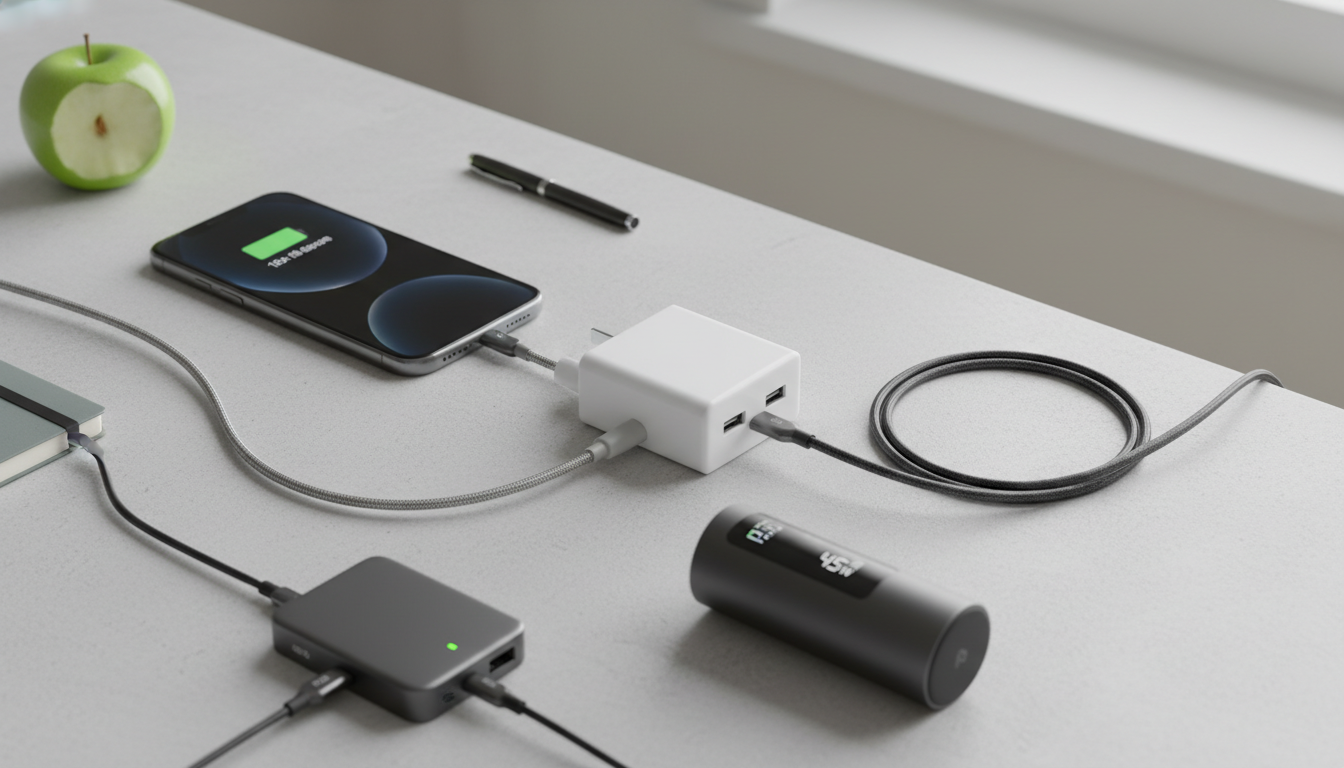
Apple charging is primarily based on USB Power Delivery (USB PD), not Qualcomm Quick Charge (QC). If you want the fastest, most consistent charging across iPhone, iPad, and many MacBook models, a USB-C PD charger paired with a quality USB-C cable (or a USB-C to Lightning cable for older iPhones) is the safer bet than shopping for QC branding.
Modern Apple devices negotiate power over USB-C using the USB PD standard. This includes common fast-charging setups like an iPhone connected via a USB-C to Lightning cable to a USB-C PD wall charger, or an iPad/MacBook connected with a USB-C to USB-C cable. USB PD is designed to let the charger and device “agree” on a voltage/current profile so the device can pull what it needs without guessing.
Quick Charge is a Qualcomm fast-charging family used widely by many Android phones and some accessories. Apple devices generally don’t rely on QC to reach their advertised fast-charging speeds. You may still see certain multi-protocol chargers that list both PD and QC; in those cases, Apple gear will typically use the PD side of the charger rather than QC.
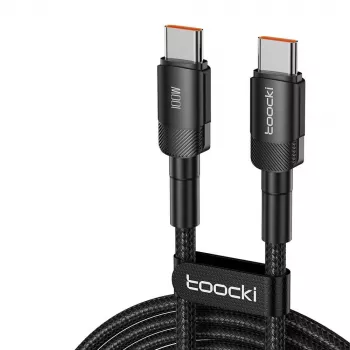
Prioritize a reputable USB-C PD charger with enough wattage for your device (lower wattage is fine for iPhones, while iPads and MacBooks may need more). For USB-C to USB-C charging, choose a cable that supports the wattage you need (many higher-power setups use 5A-rated cables). For deeper details on PD versions, QC versions, and how cable ratings affect charging, see the full guide here: https://mrsmattie.com/guide-100w-usb-c-to-usb-c-cable-pd-3-0-qc-4-0-5a-explained/.
Yes. Cable capability (especially current rating like 3A vs 5A and whether it supports USB PD features) can limit charging speed even with a powerful charger. For higher-wattage charging, a properly rated USB-C cable helps ensure the device can negotiate and safely draw more power.






Leave a comment