Yes—Qualcomm Quick Charge (QC) and USB Power Delivery (USB PD) are often compatible, but the experience depends on the specific charger, cable, and device. Many modern chargers support both PD and QC, and many phones can negotiate one standard or the other automatically. When everything lines up, you’ll still get safe charging; the main difference is whether you get the fastest possible speed.
QC and PD are different “languages” for negotiating voltage and current. USB PD is the standard used most widely across USB-C devices (including many laptops, tablets, and newer phones). QC is common on Qualcomm-based Android phones and some power accessories.
If a device and charger share a common standard, they’ll use it. If they don’t, they typically fall back to basic USB charging (often 5V), which is slower but still safe. For example, a PD-only charger may charge a QC-focused phone at a reduced rate unless the phone also supports PD.
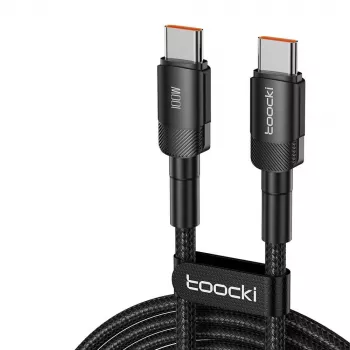
To get top speed, match the device’s fast-charging standard and power level. If your phone supports USB PD (or PD PPS), use a PD/PPS charger. If it’s older and primarily QC, a QC-capable charger can help. Also make sure your cable is rated for the power you’re trying to push—especially for higher-wattage USB-C charging.
For a deeper breakdown of PD 3.0, QC 4.0, cable current ratings (like 5A), and what those labels actually mean, see this guide: 100W USB-C to USB-C cable: PD 3.0, QC 4.0, and 5A explained.
QC and PD can coexist, and many accessories support both. The “compatible” outcome is usually guaranteed (charging happens), while the “fastest possible” outcome depends on overlapping support between your device and charger.
Sometimes. If the phone supports USB PD (many newer models do), it can fast-charge from a PD charger; if it only supports QC, it may charge more slowly using standard USB power.






Leave a comment