
Yes—ceramic wash basins are often worth it when you want a sink that stays glossy, cleans up fast, and holds up to daily bathroom use without looking worn. Quality ceramic (typically vitreous china) resists staining from soaps and cosmetics, handles hot-and-cold temperature changes well, and doesn’t fade the way some finishes can over time.
Ceramic’s smooth, non-porous glaze is the big advantage. It helps prevent water absorption and makes routine cleaning simple: mild soap and a soft cloth usually do the job. For busy households, that easy maintenance can be a bigger “value” than the price tag because it keeps the sink looking new with minimal effort.
Ceramic is tough in normal use—think handwashing, brushing teeth, and everyday rinsing. It’s also more scratch-resistant than many acrylic or resin options. The main drawback is impact: dropping a heavy object (like a glass bottle or metal tool) can chip or crack the surface. If you’re careful around the rim and avoid banging items into the bowl, ceramic lasts for years.
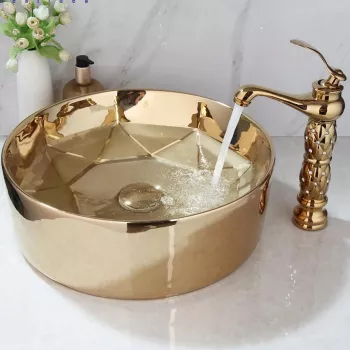
They can be a smart style move, especially with vessel sinks that sit above the counter and become a focal point. Ceramic pairs easily with modern, classic, or spa-like designs, and it complements standout hardware finishes. If you’re considering a coordinated look with a vessel basin and matching faucet/drain setup, see the details here: gold-plated ceramic faucet + round vessel basin set with pop-up drain.
If the bathroom is prone to hard impacts (kids climbing on counters, frequent heavy items near the sink) or you need an ultra-lightweight sink for a delicate vanity, another material may be less risky. Also consider the full setup—faucet height/reach and drain compatibility matter as much as the basin material.
Use a mild dish soap or non-abrasive cleaner with a soft cloth or sponge, then rinse and dry to prevent water spots. Avoid harsh abrasives that can dull the glaze over time.





Leave a comment