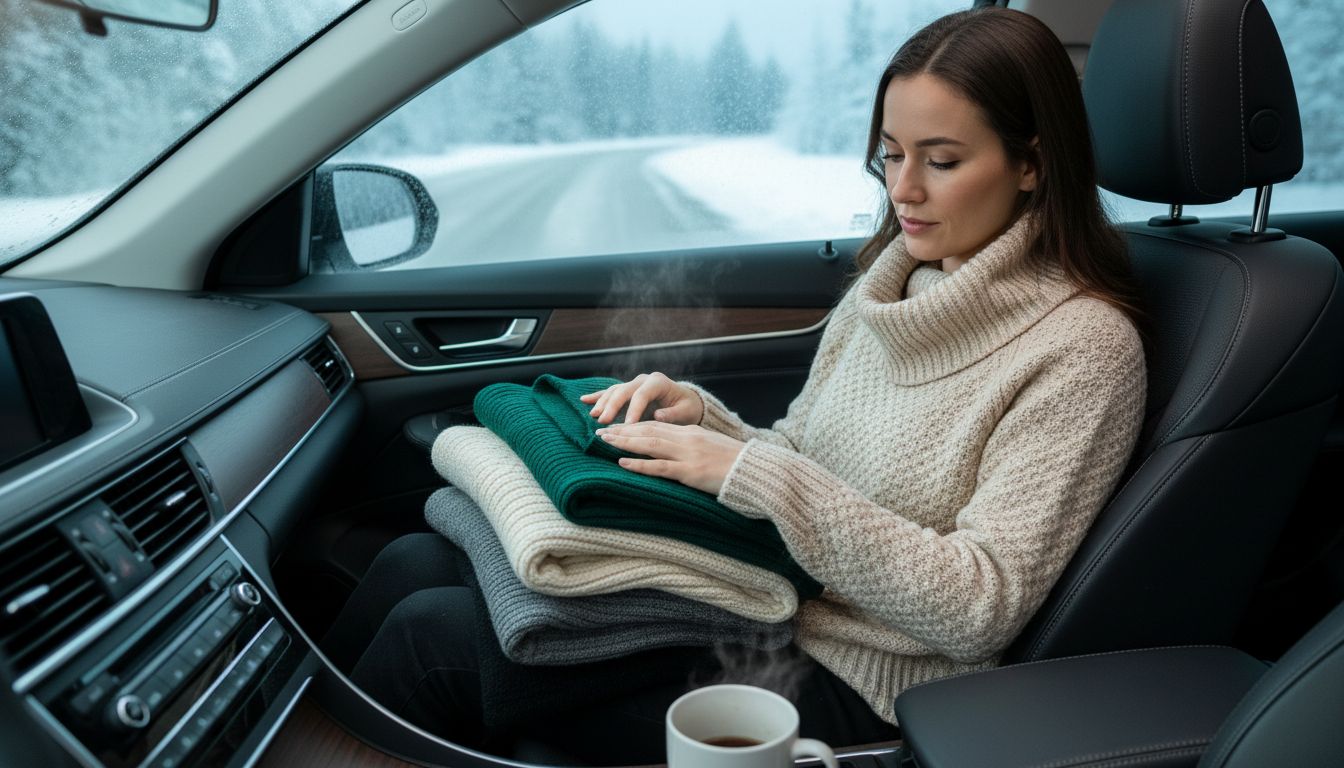
Yes—turtlenecks are one of the most practical winter basics because they help trap warmth where cold air sneaks in most: the neck and upper chest. By covering that area, a turtleneck can reduce the need for bulky scarves, cut down on drafts, and make outerwear feel noticeably warmer.
They also layer cleanly. A fitted turtleneck slides easily under sweaters, coats, and parkas without bunching, creating a smooth, insulated base that keeps heat close to the body. For everyday cold weather, a turtleneck can function like a lightweight “warmth seal” that upgrades almost any outfit.
For true winter temperatures, wool and cashmere provide excellent insulation while staying breathable. Merino wool is a standout for comfort because it’s warm without being overly heavy and often feels less itchy than traditional wool. Cotton turtlenecks can work for mild cold or indoor wear, but they typically don’t retain heat as well outdoors unless paired with warmer layers.
A winter-ready turtleneck should sit close to the skin at the neck (without feeling restrictive) and fit smoothly through the shoulders and torso. Too loose, and cold air circulates; too tight, and layering becomes uncomfortable. If the plan is to wear it under a thick sweater or parka, a thinner knit with a streamlined fit usually performs best.
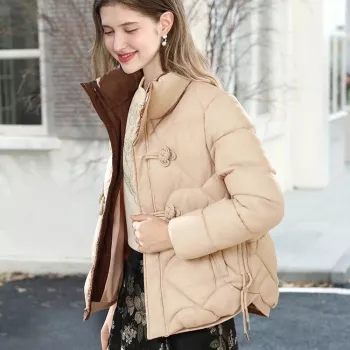
Turtlenecks pair especially well with insulated coats because they help balance coverage and comfort. For a polished cold-weather look, combine a turtleneck with a warm parka and let the collar frame the face while the coat handles wind and insulation. For a deeper dive on pairing an apricot turtleneck with a winter parka and zipper details, visit this guide.
They can in moderate cold or for quick errands, since they block drafts around the neck. In very windy or freezing conditions, adding a scarf on top can provide extra insulation and coverage.





Leave a comment