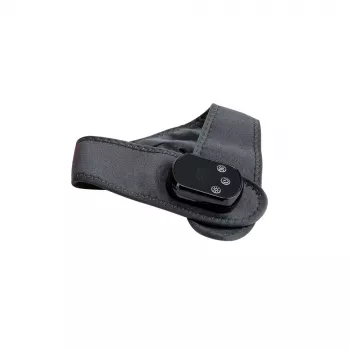
Yes—an electric heating pad can be used on your neck as long as it’s designed for safe skin contact and you use it carefully. Neck tissue is sensitive, and the goal is gentle, even warmth that relaxes tight muscles without overheating or putting pressure on the cervical spine.
Start on low or medium and limit sessions to about 15–20 minutes. If the pad has an auto shut-off, keep it enabled. Prolonged high heat can irritate skin and make soreness worse instead of better.
Position the pad so it rests against the back and sides of the neck where muscles typically tighten. Avoid folding the pad tightly or wedging it under your neck to “prop” your head up—heat is meant to soothe, not to act as a support.
If the pad feels too intense, add a thin cloth layer between the pad and your skin. Check your skin every few minutes, especially if you’re prone to redness or have sensitive skin, and stop if you notice burning, numbness, or increasing pain.
Falling asleep with heat on the neck increases the risk of overheating and skin burns because you may not notice discomfort. Use heat while awake and alert, then remove it when the session ends.
Skip heat if you have a fresh injury with swelling, unexplained severe neck pain, fever, or redness that feels hot to the touch. If pain shoots down your arm, you have tingling/weakness, or symptoms follow an accident, get medical guidance before using heat.
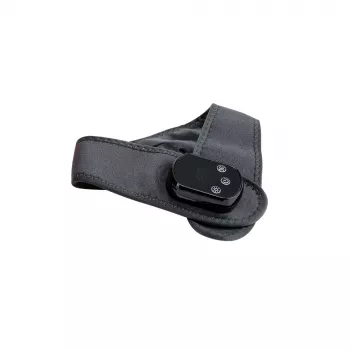
Many people prefer wraparound devices made for the neck and shoulders because they contour better and reduce slipping. For examples and a practical walk-through of adjustable warmth and comfort features, see this guide to a heated neck massage belt.
Ice can help calm inflammation and numb sharp pain, which can be useful after a flare-up or minor strain. Keep it brief (about 10–15 minutes) with a cloth barrier to protect skin.
The best option is typically a contoured wrap with adjustable heat settings, even coverage across the neck/shoulders, and an automatic shut-off. A secure fit helps the heat stay in place without needing to hold it there.





Leave a comment