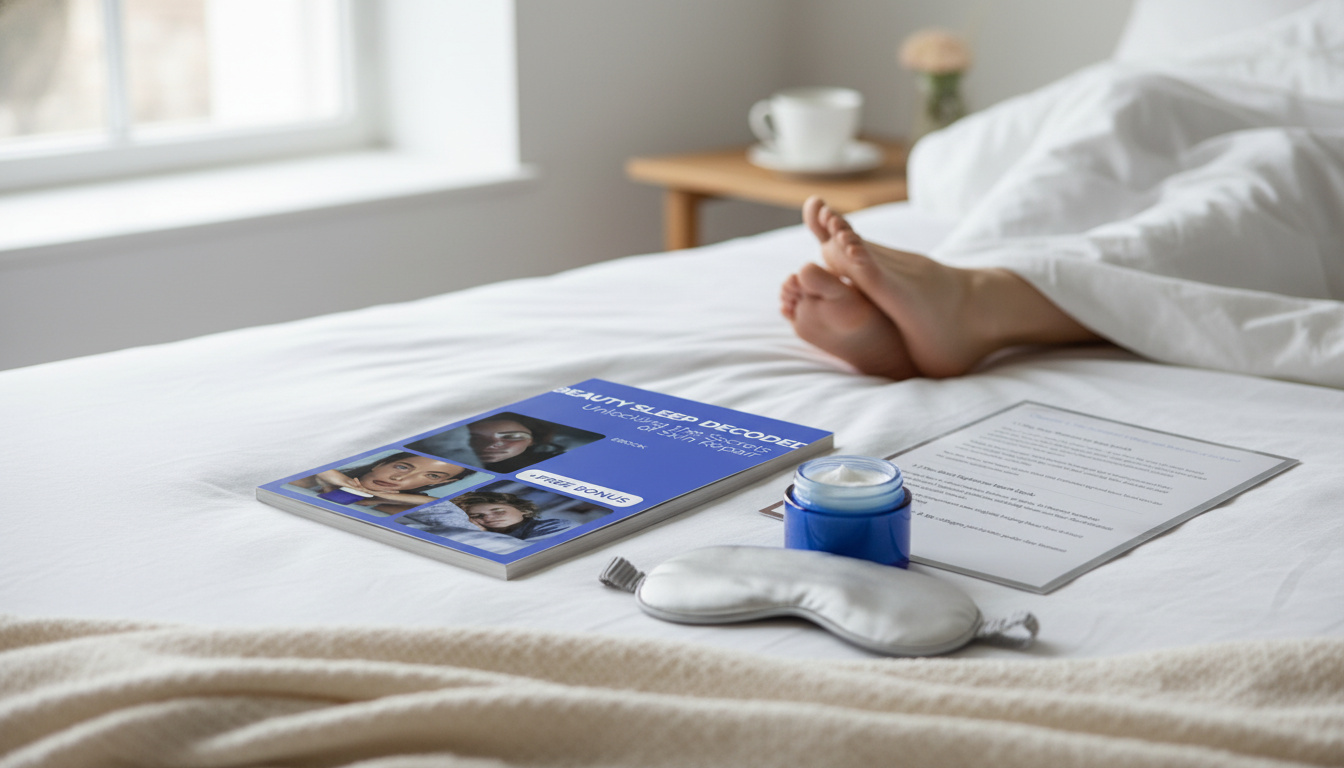
Nighttime is when the skin shifts into recovery mode—reducing water loss, ramping up barrier repair, and coordinating hormone and immune signals that influence texture, tone, and resilience. The right evening routine (and a sleep setup that supports deeper rest) can help you wake up looking calmer, more hydrated, and less puffy—while supporting a smoother, more youthful appearance over time.
Your skin follows a circadian rhythm—an internal 24-hour clock that helps coordinate cell turnover, repair enzymes, and antioxidant defenses. At night, skin typically leans into repair and renewal, which is why consistent sleep timing often shows up on your face as more even texture and better “bounce.”
| Overnight process | What you may notice | Helpful habits |
|---|---|---|
| Barrier lipid replenishment | Less dryness and sensitivity over time | Gentle cleansing; moisturizer with ceramides/fatty acids; avoid harsh exfoliation at night |
| Higher TEWL potential | Tightness or dehydration lines in the morning | Humidifier; hydrating serum; richer moisturizer; avoid overly hot showers before bed |
| Coordinated cell renewal | Smoother texture with consistent routine | Stable sleep schedule; retinoid use as tolerated; daily sunscreen to protect gains |
| Inflammation modulation | Reduced blotchiness with better recovery | Adequate sleep duration; manage allergens; minimize alcohol close to bedtime |
| Hormonal signaling (stress vs. recovery) | Breakouts or dullness during high-stress periods | Wind-down routine; limit late caffeine; relaxation breathing or short meditation |
Sleep affects more than energy—it influences the signals that shape how skin looks and feels. When sleep is short or fragmented, stress pathways can stay more active, which may show up as sensitivity, uneven tone, or stubborn breakouts.
For practical sleep-duration guidance, the National Sleep Foundation offers age-based recommendations. If you’re wondering whether symptoms like irritability, trouble focusing, or frequent fatigue could be sleep-related, NIH MedlinePlus provides a helpful overview.
A good nighttime routine supports the barrier first, then adds targeted actives only as tolerated. If your skin is reactive or breaking out, simpler is often faster—because a stable barrier makes almost everything else work better.
Use a gentle, non-fragranced cleanser with mild surfactants. Skip aggressive scrubbing and very hot water—both can increase irritation and leave skin feeling tight.
Layer a humectant (like glycerin or hyaluronic acid) on slightly damp skin, then follow with a barrier-supporting moisturizer. Look for ceramides, cholesterol, and fatty acids if dryness or sensitivity is a pattern.
If you use actives, treat them like “training volume.” Retinoids can be effective for texture and fine lines, but start slowly (a few nights a week) and buffer with moisturizer if needed. Niacinamide is often well-tolerated for oil balance and redness; azelaic acid can help with breakouts and uneven tone; peptides can be a gentle add-on for hydration support. If you’re already irritated, pause actives and rebuild the barrier first.
In dry climates or during barrier stress, a thin occlusive layer can reduce overnight water loss. If you’re very oily or acne-prone, keep the final layer lighter and focus on non-comedogenic textures.
Also extend care to the neck and hands (areas that often show aging early). And consider your pillowcase and hair products—residue and friction can contribute to irritation and “mystery” breakouts along the jawline and hairline. For broader daily-care basics, the American Academy of Dermatology outlines habits that support long-term skin health.
| Format | Focus | Best for |
|---|---|---|
| Digital eBook | Sleep and skin repair science + routines | Dullness, dehydration, stress-related flare patterns, and building consistent nighttime habits |
Yes—sleep supports barrier repair, inflammation balance, hydration control, and recovery signaling that can affect texture, tone, and puffiness. Results tend to be most noticeable when sleep timing is consistent and skincare basics (gentle cleansing, moisturizing, and daily sunscreen) are in place.






Leave a comment